Chickpea Allergy Desensitization in NYC, Manhattan, Upper East Side
Chickpea Allergy Treatment
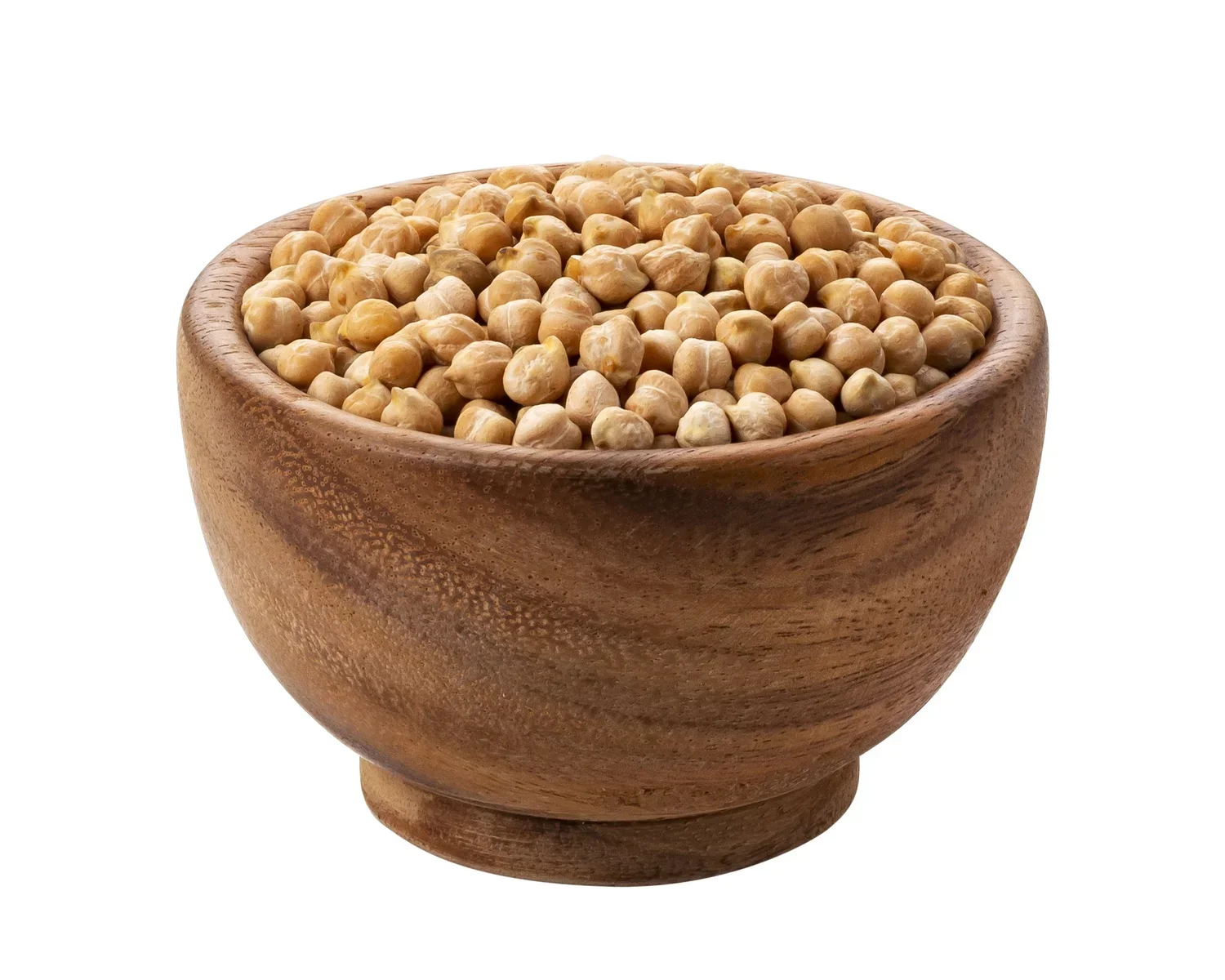
Chickpeas are a common allergen, particularly in the Mediterranean, South Asian and Middle Eastern diets. Dr. Atul Shah and the team at NY Food Allergy & Wellness (NYFA) provide expert diagnosis and treatment for chickpea allergies, offering comprehensive and customized care plans. Our experience at NYFA is that many South Asian origin patients with chickpea allergy have associated Indian Lentils (Dals) allergies. There are many variants of Indian Lentils and their allergy needs to be identified based on history or specific tests. These Dals include Chana Dal, Toovar Dal, Masoor Dal, Urad Dal, etc., besides the regular red lentils. Given chickpeas’ prevalence in plant-based diets and health foods, an accurate diagnosis and targeted management are essential for those with allergies.
Understanding Chickpea Allergies
A chickpea allergy occurs when the immune system mistakenly identifies chickpea proteins as harmful, triggering an allergic response. Reactions to chickpeas can vary from mild to severe and, in rare cases, can lead to anaphylaxis. Chickpeas are part of the legume family, so patients with chickpea allergies may also react to other legumes. For those with multiple legume allergies, multi-food desensitization can be beneficial, allowing NY Food Allergy & Wellness to address various legume allergies simultaneously.
Symptoms and Diagnosis of Chickpea Allergies

Symptoms of chickpea allergies may include:
Skin Reactions: Rashes, itching, hives
Respiratory Issues: Shortness of breath, wheezing, nasal congestion
Gastrointestinal Symptoms: Abdominal pain, nausea, diarrhea
Anaphylaxis: A severe reaction that requires urgent medical attention
Food Allergy Testing for Chickpeas
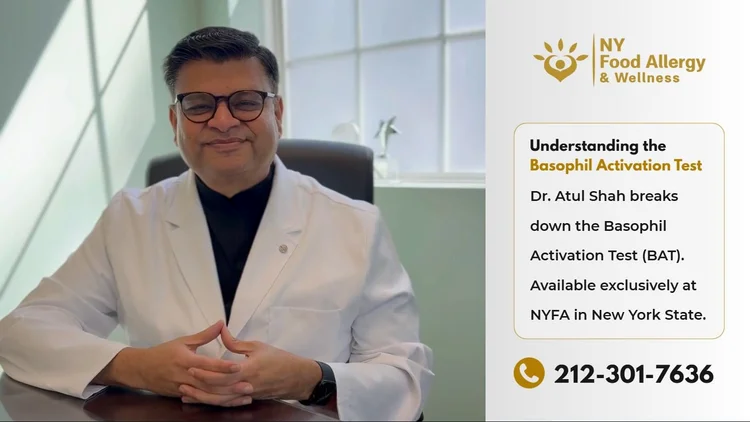
At NY Food Allergy & Wellness, we are proud to offer the Basophil Activation Test (BAT), a cutting edge diagnostic tool for identifying food allergies. This advanced test measures the activation of basophils, a type of white blood cell, in response to allergens. The BAT provides highly accurate results and can detect allergic reactions that might not be identified through traditional testing methods.
We are the only certified lab in the region offering the Basophil Activation Test. Our certification ensures that we maintain the highest standards of accuracy and reliability in our testing procedures. By choosing NY Food Allergy & Wellness for your allergy testing needs, you can be confident that you are receiving the most advanced and reliable diagnostics available.
The Basophil Activation Test is particularly useful for patients who have complex allergy profiles or who have not found answers through conventional tests. It can also be used to monitor the effectiveness of ongoing allergy treatments, providing valuable insights for personalized care plans.
Key benefits of the Basophil Activation Test include:
High Accuracy: Detects allergic reactions that may not be visible through skin prick or blood tests.
Comprehensive Analysis: Measures the specific activation of basophils, providing detailed information about allergic responses.
Certified Lab: Conducted in our certified lab, ensuring the highest standards of testing quality and reliability.
If you suspect you have a food allergy and need precise and reliable testing, the Basophil Activation Test at NY Food Allergy & Wellness is an excellent choice. Contact us today to learn more about this innovative test and to schedule your appointment.
Oral Food Challenges are considered the gold standard for diagnosing food allergies. During an OFC, the patient consumes small amounts of the suspected allergen under strict medical supervision to observe any reactions. This method provides definitive results and is conducted with the utmost care and safety.

Skin prick tests are a quick and effective way to identify specific allergens. During the test, a small amount of allergen is placed on the skin, which is then gently pricked to allow the allergen to enter. Results are typically visible within 15–20 minutes, making it a fast and reliable option.
Needle free tests are ideal for children and needle phobic patients. Using advanced technology, these tests provide precise results without the discomfort associated with traditional testing methods.
Blood tests are highly accurate and comprehensive, suitable for all age groups. They measure the presence of specific IgE antibodies in the blood, which can indicate an allergy. This method is particularly useful for patients who cannot undergo skin testing.
IgE specific to peanut components are very helpful in accurate diagnosis of true peanut allergy compared to false positives due to underlying tree pollen allergy. Ara h 2 and Ara h 6 are considered components with potential for systemic reactions.
Managing Chickpea Allergies in Daily Life
Avoiding chickpeas requires careful attention to ingredient lists and awareness of hidden sources.
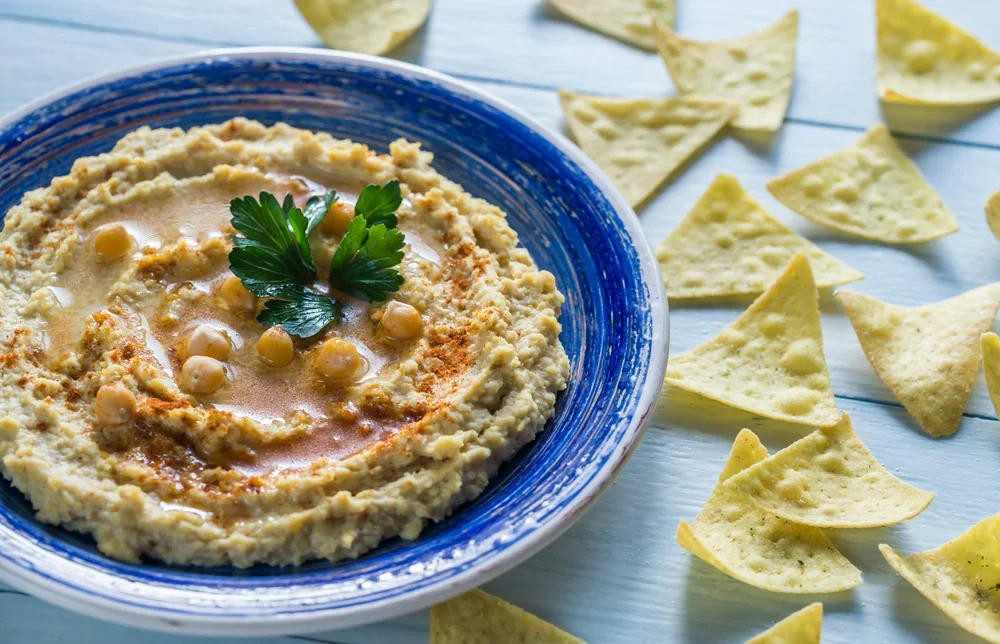
Reading Food Labels: Chickpeas may appear as ingredients in items such as “garbanzo bean flour” and “hummus.”
Identifying Hidden Sources: Common in vegetarian and vegan foods, chickpeas can be found in snacks, dips, and baked goods.
Dining Out: It’s crucial to communicate with restaurant staff to avoid chickpea-based ingredients, especially in ethnic cuisines.
Emergency Preparedness: Carrying epinephrine and understanding its use is essential in the event of accidental exposure.
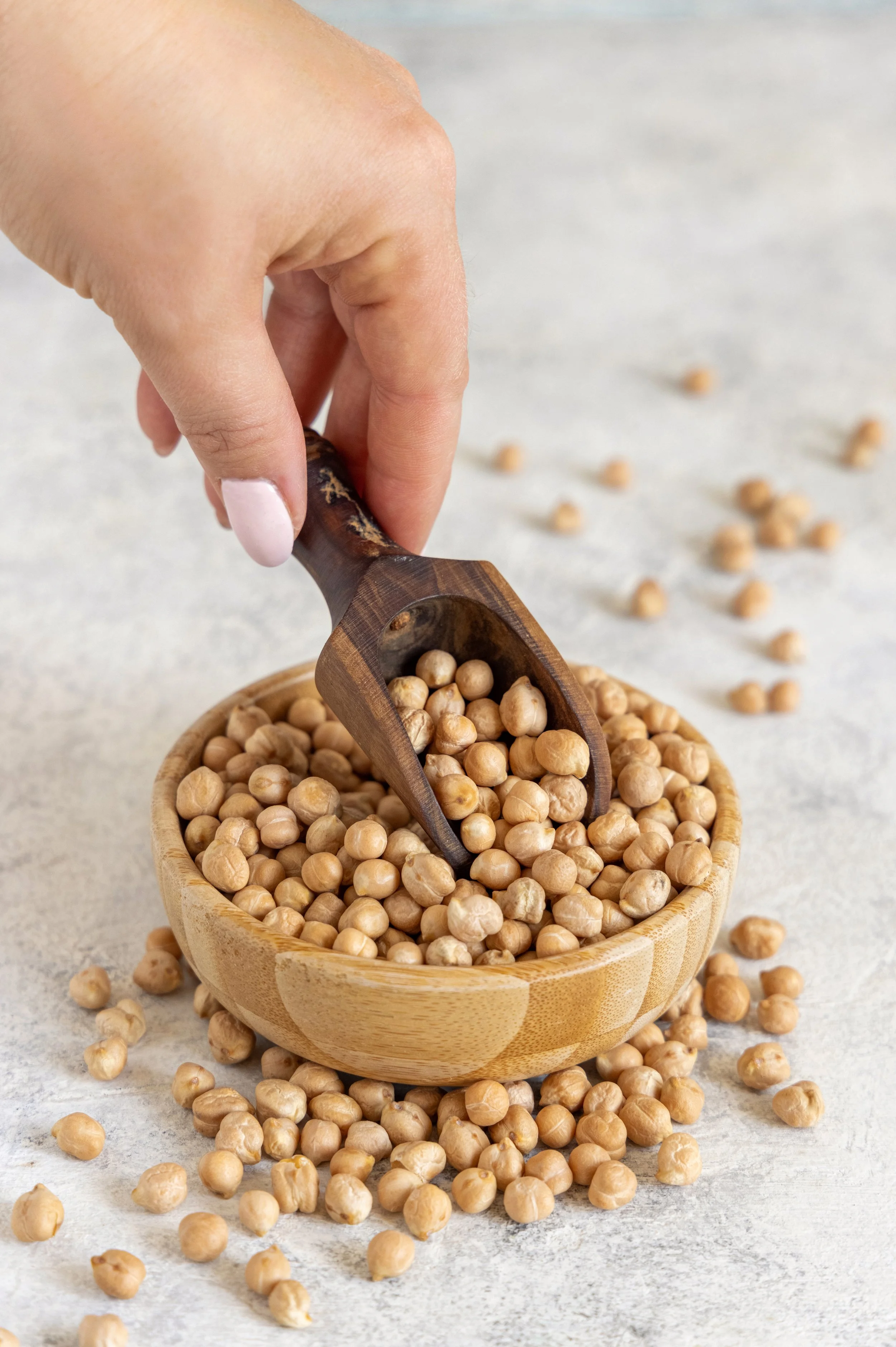
Common Foods Containing Chickpeas:Hummus and chickpea dips
Falafel and chickpea salads
Some gluten-free or vegan products

Managing Multiple Food Allergies
At NY Food Allergy & Wellness, our FATE™ (Food Allergy Tolerance Enhancement) Program specializes in managing multiple food allergies through comprehensive diagnostics and desensitization, helping patients achieve greater dietary freedom.
Diagnostic Approach
We begin with:
Detailed Patient History: Reviewing the patient’s medical history and symptoms.
Advanced Testing: Utilizing skin prick tests, blood tests, and the Basophil Activation Test to identify specific allergens and assess reaction severity.
Continuous Support
Regular Follow-ups: Monitoring progress and adjusting treatment plans.
Patient Education: Providing resources and training for effective management.
Support Groups: Facilitating patient support groups for shared experiences and strategies.
Personalized Treatment Plans
Our customized plans aim for food allergy desensitization and may include:
Oral Immunotherapy (OIT): Gradually introducing allergens to desensitize the immune system.
Sublingual Immunotherapy (SLIT): Administering allergens under the tongue to build tolerance.
Medications: Antihistamines can relieve mild symptoms, while epinephrine is used for severe reactions like anaphylaxis. Omalizumab (Xolair) injections can be considered to reduce the risk or reactions.
Dietary Management: Guidance on safe food choices and avoidance strategies.
Emergency Preparedness: Training on using epinephrine auto-injectors and creating action plans for accidental exposures.


Frequently Asked Questions
Symptoms of chickpea allergy include skin rashes, itching, hives; respiratory issues like shortness of breath, wheezing, and nasal congestion; gastrointestinal symptoms like abdominal pain, nausea, diarrhea; and anaphylaxis, a severe reaction that requires urgent medical attention.
Avoid foods containing chickpeas, such as hummus, falafel, and chickpea flour, which is often used in gluten free and vegan products. Carefully read food labels for hidden sources of chickpeas. Source: Food Allergy Research & Education (FARE)
At NYFA, we recommend checking for allergies to other legumes and avoiding them if necessary.
Chickpea allergy is more common in regions where chickpeas are a dietary staple, such as in Mediterranean, South Asian, and Middle Eastern diets. However, with the rise in plant based foods, chickpea allergies are being reported more frequently in the United States. Source: American College of Allergy, Asthma & Immunology
Foods high in chickpeas include hummus, falafel, chickpea salads, and baked goods made with chickpea flour. Chickpeas are also used in many vegetarian and vegan protein sources. Source: Food Allergy Research & Education (FARE)
Chickpeas can be hidden in gluten free, vegetarian, and vegan products, where chickpea flour or ground chickpeas are often used as protein substitutes. Reading labels is essential to avoid accidental exposure. Source: American Academy of Pediatrics
The best treatment for chickpea allergies involves avoiding chickpeas, emergency preparedness, and desensitization therapies like Sublingual Immunotherapy (SLIT) and Oral Immunotherapy (OIT). SLIT and OIT introduce small amounts of chickpea protein to reduce reaction severity over time.
At NY Food Allergy & Wellness, our FATE™ Program provides a tailored treatment approach to manage chickpea allergies effectively and safely.
Chickpea allergy treatments, particularly through desensitization like OIT and SLIT, have shown positive results in increasing tolerance to chickpeas and reducing severe reactions.
NY Food Allergy & Wellness’s FATE™ Program has demonstrated effective outcomes, allowing patients to manage their allergies more freely.
Choose NY Food Allergy & Wellness for chickpea allergy treatment because of our:
Specialized Expertise: Dr. Atul Shah is a recognized authority in the treatment of food allergies, including chickpeas.
Advanced Therapies: Utilizing the latest treatment options like Oral Immunotherapy (OIT) to manage chickpea allergies.
Comprehensive Care Approach: Individualized care plans and ongoing support for effective allergy management.
Cutting Edge Facilities: Our clinic is equipped with state of the art diagnostic equipment to deliver accurate and comprehensive testing.


Severe Multi-Food Allergy Success Story
What our patients are saying...

Dr. Shah and the team at NY Food Allergy & Wellness were exceptional. After completing oral food challenges, I learned that shellfish was not the trigger I had assumed for years. The team was kind, thorough, and clear throughout the process.
Read More

Dr. Shah provided thoughtful, closely supervised care during our daughter's peanut oral immunotherapy. We felt supported at every step, and our family gained more confidence managing day to day food decisions. The staff was kind, responsive, and consistently helpful.
Read More
Dr. Shah has a strong understanding of food allergies and explains test results and options clearly. He is practical, evidence focused, and patient in how he communicates. The team is attentive and compassionate.
Read More
Dr. Shah was incredibly thorough and kind. Our family appreciated the careful, medically supervised approach and the support throughout the immunotherapy process. We felt guided, listened to, and well prepared at each visit.
Read More
After years of avoiding peanuts, I feel far more confident and less anxious around meals. The team was organized, supportive, and clear about each step of the process. Dr. Shah and staff went out of their way to make everything manageable.
Read More
Our daughter completed milk oral immunotherapy up dosing and, with guidance from the care team, was able to include dairy in her routine as directed. We felt more prepared for social events, and the staff was calm, patient, and thorough.
Read More
Dr. Shah made a meaningful difference for our family. Over time, we saw progress in tolerance goals under a structured plan, with ongoing follow up and support. He is intelligent, kind, and deeply dedicated.
Read More
Dr. Shah and his team provided personalized, detail oriented care. Their guidance helped me feel more prepared and less limited in everyday situations. The experience felt thoughtful and tailored, not rushed.
Read More
Our family shared that care helped them build a safer, more confident plan around foods that previously caused severe reactions. The team was responsive, supportive, and consistent throughout. It felt like a major quality of life improvement.
Read More
I am grateful for the care and support our family received. The team helped us navigate peanut and tree nut concerns with a structured plan and clear safety guidance. Thoughtful, compassionate, expert care at every visit.
Read More
Dr. Shah and his team were supportive and knowledgeable throughout my care. The guidance and follow up made the process feel clear and manageable, and I felt more confident around foods I previously avoided. The team provided steady support throughout the journey.
Read More
About Dr. Atul Shah: Testimonials
Pioneering Food Allergy
Treatments in Manhattan.

Dr. Atul Shah:


Dr. Atul Shah: The Donna Drake Show
Dr. Atul Shah, MD, FACAAI, FAAAAI, is the founder of NY Food Allergy & Wellness & a renowned allergist with over 20 years of experience. With more than 15,000 success stories across children, teens, & adults, Dr. Shah’s expertise knows no age limits. He holds dual fellowships & has been honored with prestigious awards, including America’s Top Physician. Dr. Shah is a leader in allergy care, offering personalized, life-changing treatments.




LET OUR TEAM HELP YOU GET STARTED
Get in Touch
Fill out the form below to begin your journey towards Food Allergy Freedom. Our care team will respond shortly!
New York City Location
110 East 60th St., Suite 708
New York, NY, 10022
Hours of Operation
Tuesday: 9am-5pm
Wednesday: 9am-5pm
Thursday: 9am-7pm
Friday: 9am-5pm
Saturday: 9am-2pm
Sunday/Monday: Closed
-
![Banner titled "Food Allergy FAQ's" with the subtitle "Get answers to your questions here!" and five images showing diverse people handling food allergies: two young adults smiling and holding jars of nut butters, a young girl looking upset with a glass of milk and snacks, three people at a Halloween party with balloons and pumpkin decorations giving thumbs up, a woman holding a jar of candy and a bowl of chocolates, and a young girl smiling and holding signs about her peanut allergy.]()
Food Allergy FAQ'S
Do you have questions about insurance? The initial consultation? What food allergies we treat? Click below for clarity
-
![Dr. Atul Shah with a Patient]()
Food Allergy Success Videos
Our Media Library has over 80+ Video Success Stories, Interviews & Treatment Breakdowns with Dr. Atul Shah and more!
-
![Sublingual Immunotherapy Kit from NYFA]()
Food Allergy Treatments
We have the most comprehensive Food Allergy Treatments available. Including BAT testing that is ONLY available at NYFA.
-
![Young Girl completing Oral Immunotherapy]()
Personalized Care
The Food Allergy Tolerance Enhancement Program is personalized to your needs in an upscale, private practice.
-
![Food Allergy Resources]()
Detailed Breakdowns
We have several pages dedicated to Food Allergy Awareness & Education on services like: BAT, OFC, SLIT, OIT and more!
-
![Ny Food Allergy & Wellness Team]()
Food Allergy Team
We have the Top Food Allergist in NYC, Dr. Atul Shah and a team of Experts focused on providing the ultimate patient experience.
-
![Ny Food Allergy & Wellness Office in NYC]()
State of the Art Facility
Our brand new office in NYC is centrally located on the Upper East Side. Close to Brooklyn, Queens, The Bronx & Staten Island.
-
![Dr. Atul Shah Webinar Promo]()
Food Allergy Webinars
Join us for our Monthly Food Allergy Friday’s Webinar with Dr. Shah. We answer your questions live! Please submit in advance.