


Food Allergist Serving Brooklyn
Food Allergy Treatment Built Around What Matters to You
Your Priorities. Personalized Care.
Brooklyn patients see Dr. Atul Shah at NYFA’s Upper East Side office, 110 East 60th Street, Suite 708, in Manhattan. Care starts with your reaction history and what you want to understand or change. From reviewing an uncertain diagnosis to exploring desensitization through the FATE™ Program, the plan connects medical findings with the meals, activities, and routines that matter to you.
Focused Evaluation
When to See a Food Allergist
Perhaps you want to understand what happened after a meal, revisit a childhood diagnosis, or discuss treatment before a new stage of life. A food allergy consultation begins with that concern and the history behind it.
For Brooklyn families balancing school, work, shared meals, and the trip into Manhattan, a useful plan needs clear priorities. Dr. Shah helps identify which questions need testing and which decisions can be made from the information already available.
Meals Have Become Hard to Navigate
Family recipes, takeout, and shared kitchens can make an uncertain allergy especially disruptive. Bring details about the foods involved, symptoms, and foods still eaten safely so the evaluation can focus on the likely concerns.
Your Child Is Starting Something New
Starting daycare, changing schools, or preparing for camp can expose gaps in an older allergy plan. A review can address the diagnosis, current restrictions, emergency instructions, and what caregivers need to understand.
You Want to Revisit an Old Diagnosis
A childhood test or a reaction from years ago may still determine today’s diet. Dr. Shah reviews how the history and test results fit together before discussing whether reassessment or a supervised challenge could help.
Food Reactions Have Changed
New symptoms or a different reaction pattern may call for a fresh evaluation. The timing, amount eaten, other ingredients, and treatment received can help distinguish a possible food allergy from other explanations.
You Have a Goal for Treatment
You may be interested in added protection from accidental exposure or understanding whether greater dietary flexibility is possible. Dr. Shah discusses what treatment may offer, what it requires, and whether it fits your medical situation.
Food Allergy Tolerance Enhancement. When Remission Stalls. The FATE Program Moves You Forward.
Advanced Diagnostics
Different questions require different evidence. A recent reaction, a food avoided only because of testing, and a confirmed allergy being considered for treatment may lead to different next steps. Dr. Shah chooses tests that can meaningfully inform that decision.
Food Allergy Testing for Brooklyn Patients


Skin and Blood Testing in Context
Skin prick and food-specific IgE testing can help evaluate sensitization. For certain foods, component testing may add information about individual allergen proteins. Dr. Shah interprets these findings alongside the actual reactions and foods tolerated, rather than treating a positive result as the whole diagnosis.
Learn about food allergy testing
BAT for More Complex Questions
The Basophil Activation Test examines the response of basophils to an allergen in the laboratory. Through NYFA’s affiliated CLIA-certified laboratory, it may provide additional information when standard findings leave an important question unresolved. BAT remains one part of the clinical evaluation.
Explore Basophil Activation Testing

A Supervised Food Challenge
When appropriate, an oral food challenge can help determine how a patient responds to eating a food. Measured portions are given with medical observation. The decision to challenge, the preparation, and the time required depend on the history and results; this is not a procedure to try at home.
Learn about oral food challengesIndividualized Treatment Planning
Food Allergy Treatment for Brooklyn Patients
The right goal is specific to the patient. Dr. Shah considers the confirmed allergy, health history, nutritional needs, and desired outcome alongside the practical demands of treatment. For patients traveling from Brooklyn, that includes discussing office visits, home dosing, and maintenance before a plan begins.
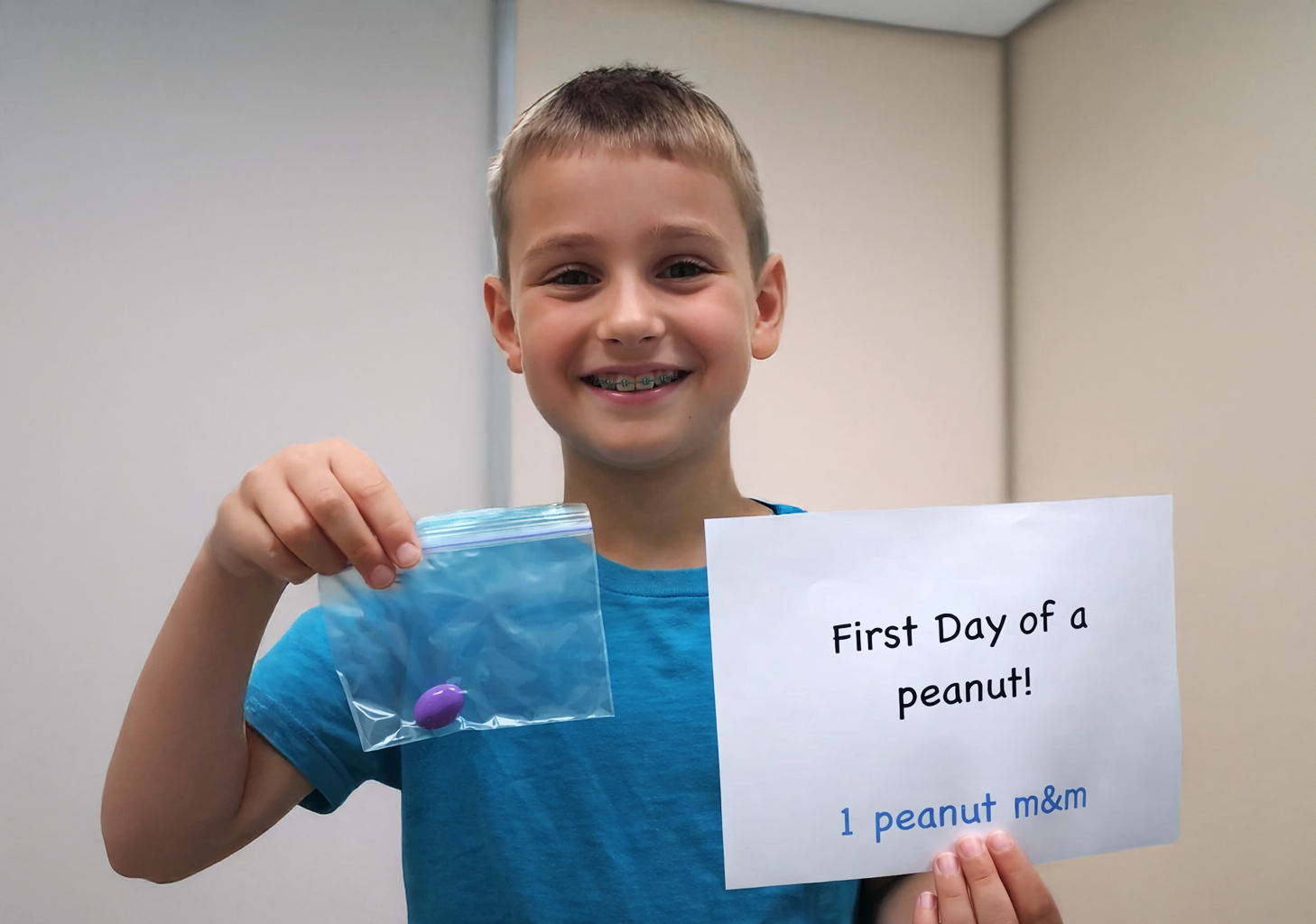
OIT introduces measured oral doses of a confirmed allergen under medical direction, with gradual increases when appropriate. The treatment goal, dosing schedule, monitoring, and maintenance are individualized. Patients continue to follow their prescribed emergency and food-avoidance instructions.
Learn about oral immunotherapy
SLIT uses small clinician-directed amounts of allergen under the tongue. Dr. Shah may consider it for selected patients as an individual treatment or within a staged plan. The discussion covers its intended role, expected benefits, limitations, and dosing requirements.
Learn about sublingual immunotherapyFood Allergy Tolerance Enhancement Program
Care for Multiple Food Allergies
When several foods are restricted, the plan considers both medical evidence and everyday impact. Dr. Shah reviews which allergies are confirmed, how the restrictions affect nutrition, and which foods matter most to the patient before choosing the order of challenges or treatment.
FATE™ Program
FATE™, or Food Allergy Tolerance Enhancement, is Dr. Shah’s five-phase approach to evaluation and desensitization. Testing, treatment, and eating goals are individualized rather than a fixed sequence for every patient.
- History and initial assessment
- IgE testing and BAT when appropriate
- Supervised oral food challenges when appropriate
- SLIT or OIT for selected patients
- Bite protection or broader eating goals, with ongoing guidance
Desensitization can cause allergic reactions and is not suitable for every patient. It is not a guaranteed cure. Patients must continue prescribed epinephrine, avoidance, emergency planning, and all dosing and monitoring instructions provided by their physician.
Food Allergy Care for Children, Teens and Adults
Care Across Life Stages
A child’s first school lunch and an adult’s work dinner raise different questions. Dr. Shah adapts food allergy care to each patient’s age, responsibilities, and goals.

Infants and Children
Parents can discuss early reactions, introducing foods, nutritional concerns, and questions about existing restrictions. Care also considers how the plan will be shared with childcare providers, relatives, and school staff.

Teens and Young Adults
Growing independence can change how a food allergy is managed. Visits may address ordering meals, carrying prescribed medication, shared living spaces, and fitting treatment requirements around school, activities, or college.

Adults
Adults may want to investigate a new reaction, review a long-standing restriction, or consider desensitization. Dr. Shah looks at the history and the effect on work, home cooking, social meals, and travel when discussing next steps.
Board-Certified Allergist
Personalized Care With Dr. Atul Shah
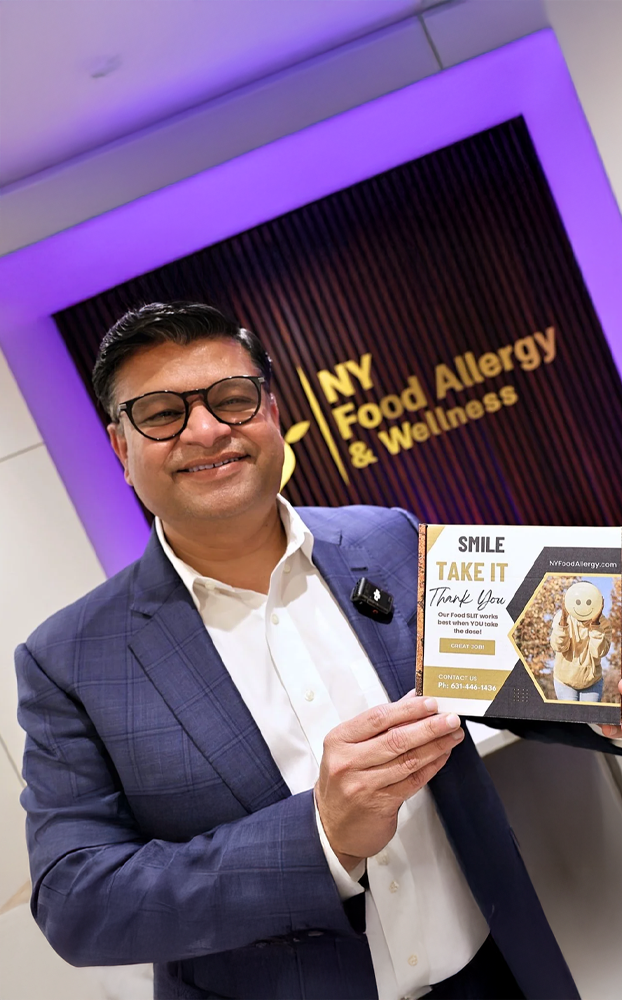
Dr. Atul Shah is board-certified in Allergy and Immunology and has more than 20 years of food allergy experience. At NYFA’s Manhattan practice, he works with Brooklyn patients to connect their history, diagnostic findings, treatment choices, and longer-term goals.
Years of dedicated food allergy experience
Patient success stories across every age group
Food allergens evaluated and treated by NYFA
Your Goals Shape the Discussion
Explain what would make a difference in daily life. Dr. Shah considers those priorities alongside the diagnosis and medical risks when discussing realistic options.
Clear Reasons for Each Step
A test, challenge, or treatment should have a defined purpose. Patients can ask what the next step is intended to clarify and how the result may affect their care.
A Focus on Food Allergy
NYFA’s approach brings together evaluation, advanced diagnostics, food challenges, and desensitization planning for common and less common food allergens.
Care That Continues Over Time
Treatment and maintenance can require ongoing adjustments. Follow-up allows the plan to account for clinical progress, changing routines, and new questions.
Patient Experience
What Patients Value About Working With NYFA
Patients and families often value being heard, understanding the reasoning behind a recommendation, and knowing what to do next. These practice-wide reviews describe individual experiences with Dr. Shah and NYFA’s care team.
Practice-wide Google reviews, summarized for length and clarity. Follow each source link for the original wording. Individual experiences vary.
Read More Patient StoriesDr. Shah and the team at NY Food Allergy & Wellness were exceptional. After completing oral food challenges, I learned that shellfish was not the trigger I had assumed for years. The team was kind, thorough, and clear throughout the process.
Your First Consultation
Make Your First Visit Count
Before traveling from Brooklyn, gather the details that explain both the allergy concern and its effect on your life. The first consultation helps establish what is known, what remains uncertain, and which next step would be useful.

Describe the Reaction
Write down what was eaten, when symptoms began, and what treatment was needed. Ingredient labels, photographs, emergency records, and information about earlier exposures may help clarify the episode.
Bring the Full Food Picture
Include previous test reports, current medications, foods regularly tolerated, and foods being avoided. Explain whether each restriction followed a reaction, a test result, or another concern.
Name Your Main Priority
Let the team know whether you need diagnostic clarification, a school-plan review, or a treatment discussion. You can also explain the meals or activities you hope care will help you manage.
Make Room for the Treatment Plan
Your goals matter alongside the time treatment requires. If OIT is recommended, the initial day typically takes 4–6 hours. Ask about later visits and home dosing before arranging work, school, and travel from Brooklyn.
Brooklyn Food Allergy FAQs
Questions About Your Care
Questions about testing, insurance, and fitting food allergy care into daily life. Brooklyn patients visit Dr. Shah at our Manhattan office.
Can an allergist help with food allergies?
Yes. An allergist can clarify whether a food is causing symptoms, interpret results, and recommend management or treatment. That may include an emergency plan, a supervised challenge, or desensitization for eligible patients. Brooklyn patients see Dr. Atul Shah at NYFA's Manhattan office, where care is planned around the diagnosis and the patient's priorities.
How much does food allergy testing cost?
The price depends on the evaluation recommended and how the consultation, tests, and laboratory services are billed. Insurance benefits also affect your share. Ask about the proposed services and available estimates before proceeding. A broad panel and a targeted evaluation are not interchangeable, and an oral food challenge has different requirements from a skin or blood test.
Will insurance pay for food allergy testing?
It depends on your plan and the services being considered. Confirm coverage for the specific office, laboratory, and test, along with deductibles and any referral or authorization requirements. Ask NYFA about billing details before scheduling. Do not assume that benefits for allergy testing also cover OIT, SLIT, or every part of a treatment program.
Do food sensitivity tests really work?
Commercial IgG panels should not be used to diagnose food allergies or intolerances. An IgG response can reflect contact with a food, including foods you tolerate. If symptoms or a home test have led you to restrict your diet, an evaluation can help determine what needs investigation. NYFA selects food allergy tests around the clinical history.
Does NYFA have a Brooklyn office?
No. Dr. Shah sees Brooklyn patients at NY Food Allergy & Wellness, 110 East 60th Street, Suite 708, New York, NY 10022, on Manhattan's Upper East Side. The office is near Lexington Avenue and 59th Street. Confirm your appointment details and plan the journey from your neighborhood before the visit.
How can I prepare for a first consultation with Dr. Shah?
Write down the reactions or concerns that brought you in and what you hope to understand or change. Bring medication details, available records, and a list of foods eaten or avoided. Dr. Shah uses that information to recommend the next step. Avoid assuming the appointment will include a food challenge unless it has specifically been scheduled.
Can Dr. Shah give a second opinion on previous food allergy results?
Yes. Bring the original reports and any information about reactions or foods you currently tolerate. Dr. Shah can review whether the results support the existing diagnosis and whether more evaluation would help. A second opinion may involve targeted testing or a supervised challenge, but it does not automatically mean repeating every test or changing treatment.
What time commitment should I consider before starting treatment?
Discuss both office visits and home responsibilities. NYFA's initial OIT day typically takes 4 to 6 hours, and the follow-up schedule depends on the individual plan. Add travel time from Brooklyn and consider work, school, and dosing routines. Ask how missed doses, illness, or travel should be handled before treatment begins.
How do we know whether a child has outgrown a food allergy?
An allergist considers the child's reaction history, changes in testing, and whether a supervised oral food challenge is appropriate. A lower blood-test number alone does not establish that the food is safe to eat. Some allergies resolve more often than others, and the timing varies. Do not reintroduce an avoided allergen at home without clinical guidance.
Can several food allergies be addressed in the same treatment plan?
Selected patients can receive a coordinated plan for multiple confirmed food allergies. Dr. Shah considers the evidence for each food, nutrition, reaction risk, and what matters most to the patient. The plan may combine diagnostic work with staged or concurrent treatment. It is individualized rather than determined solely by how many positive tests appear on a report.
Does oral immunotherapy cure a food allergy?
OIT is a desensitization treatment intended to raise the amount of allergen a patient can tolerate before reacting. It is not a cure or a guarantee of unrestricted eating. Maintenance, monitoring, and safety instructions remain important. Patients must continue prescribed epinephrine and their emergency plan, even when treatment is progressing well.
Individualized Food Allergy Care
Food Allergies We Treat. Care Built Around You.
The same food can raise different questions for different patients. Explore NYFA’s allergen pages, then discuss how the reaction history, current diet, and treatment goals apply to your situation.













Manhattan Appointment Location
Visit the Manhattan Practice
Appointments are at 110 East 60th Street, near Lexington Avenue and the 59th Street station complex. Routes from Brooklyn vary by neighborhood and time of day. Check current MTA service and confirm your visit details before traveling.
NY Food Allergy & Wellness
Manhattan, New York
110 East 60th Street, Suite 708New York, NY 10022
Food Allergy Consultations for Brooklyn Patients
Start With What Matters. Build a Plan With Dr. Shah.
Tell the care team what you want to understand and how food allergies affect your day. Request a Manhattan consultation to review your history and discuss the next step toward your care goals.
Clinical noteThis page provides general information and does not replace individual medical advice. Food allergy diagnosis and treatment require an in-person evaluation. References: AAAAI, ACAAI, and the NIAID food allergy guidelines.