


Food Allergist Serving Connecticut
Food Allergy Care For What Comes Next
A New School Year. A New Routine. A Plan That Fits.
Starting school, leaving for college, or balancing meals with a commute can bring new questions about an existing food allergy. Connecticut patients can see board-certified allergist Dr. Atul Shah for testing, second opinions, and treatment planning at NY Food Allergy & Wellness in Manhattan. Care takes place at 110 East 60th Street, Suite 708, on the Upper East Side. NYFA does not have a Connecticut office.
When Life Changes
A New Routine.
A Clearer Plan.
A food allergy plan may need another look when daily life changes. A child who once ate every meal at home may be starting school. A college student may be choosing meals independently. An adult may be trying to understand a new reaction while traveling between Connecticut and New York.
An evaluation can help you understand what is known, what remains uncertain, and which next step is worth considering. If care involves visits to Manhattan, the appointment pattern and responsibilities between visits belong in that discussion from the start.
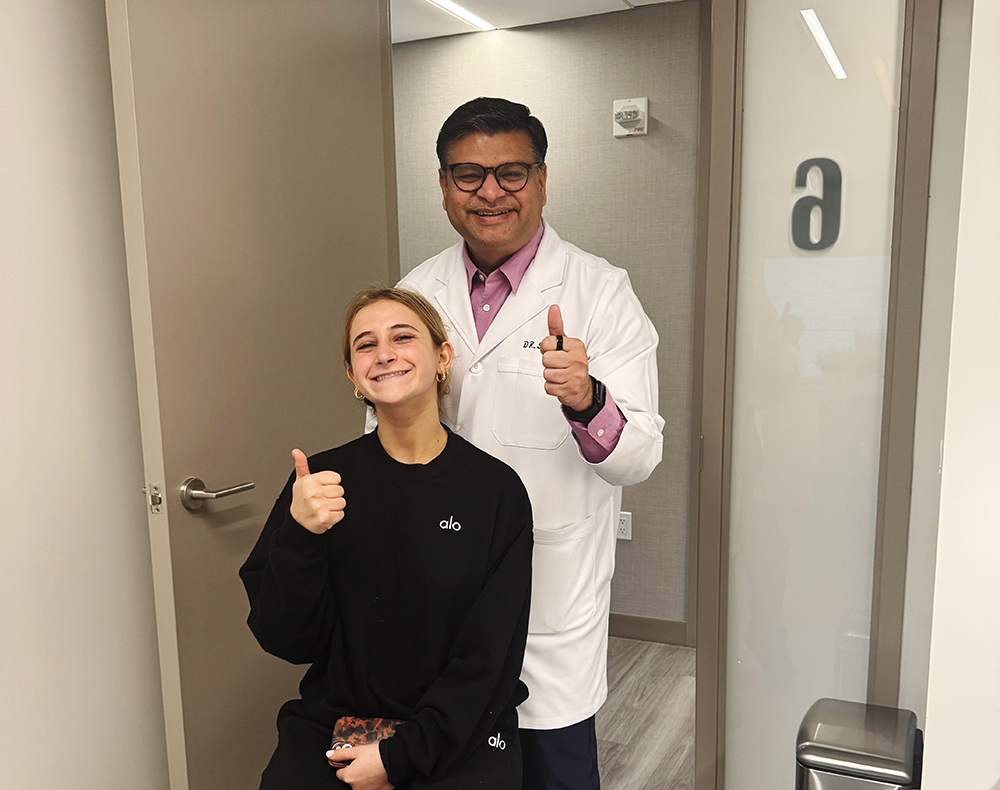
A New Setting for Meals
School, childcare, camp, and college each bring different questions about food. Bring the current allergy plan and any forms you need reviewed. Tell Dr. Shah which situations are difficult so the discussion connects your medical history with the routine ahead.
Results Collected Over Time
A test report from childhood and a recent blood test may raise different questions. Bring the original reports with their dates, along with what happened when the food was eaten. Our guide to food allergy diagnosis explains why that context matters.
Restrictions That Need a Review
An old avoidance list can follow someone from school into college or adult life. Dr. Shah reviews the history and foods currently tolerated to determine whether further evaluation could help. Keep existing precautions in place until you receive individual medical guidance.
A Treatment Plan You Can Follow
Before starting treatment, discuss office visits, prescribed home dosing, and monitoring alongside work, school, and the trip from Connecticut. Understanding those commitments helps you consider whether a proposed approach fits your circumstances.
More Than One Food to Consider
When several foods are involved, identify the questions separately. Which reactions are documented? Which restrictions have the greatest effect on meals? Dr. Shah considers each food and your priorities when discussing an individualized next step.
Put FATE™ In Your Own Hands. Food Allergy Tolerance Enhancement.
Make the Evaluation Count
Bring what you already know before arranging more tests. Previous reports, a reaction timeline, and a list of foods currently eaten help Dr. Shah decide which diagnostic question needs attention. Testing is selected for that question, with any preparation discussed before your Manhattan appointment.
Food Allergy Testing For Your Next Step


Start With the Existing Evidence
Skin testing and food-specific IgE blood testing help assess sensitization. Results need to be interpreted alongside the reaction history. Component testing may add detail about particular allergen proteins. Our guide to allergy skin tests versus blood tests explains the differences to discuss with Dr. Shah.
Learn about food allergy testing
Basophil Activation Testing (BAT)
BAT is a functional blood test that measures how a patient’s basophils respond to a specific allergen in the laboratory. It may add information when traditional results are unclear or do not match the history. NYFA provides access to BAT through its affiliated CLIA-certified laboratory, NYAIRL, when the test is clinically appropriate. BAT does not replace clinical interpretation or an oral food challenge when a challenge is needed.
Explore Basophil Activation Testing

When a Food Challenge May Help
A medically supervised oral food challenge can help determine whether a food causes an allergic reaction. At NYFA, measured doses and clinical observation provide information about your response, with precautions in place for possible symptoms. Dr. Shah evaluates whether a challenge is appropriate for you.
Learn about oral food challengesTreatment at the Manhattan Practice
Food Allergy Treatment With a Plan to Follow
Food allergy desensitization begins with a clear diagnosis and an individual goal. Dr. Shah considers your allergy history and health when recommending an approach, then reviews progress as care continues. For patients traveling from Connecticut, discuss the visit schedule and prescribed home routine before starting. Read how desensitization fits within the FATE™ Program.
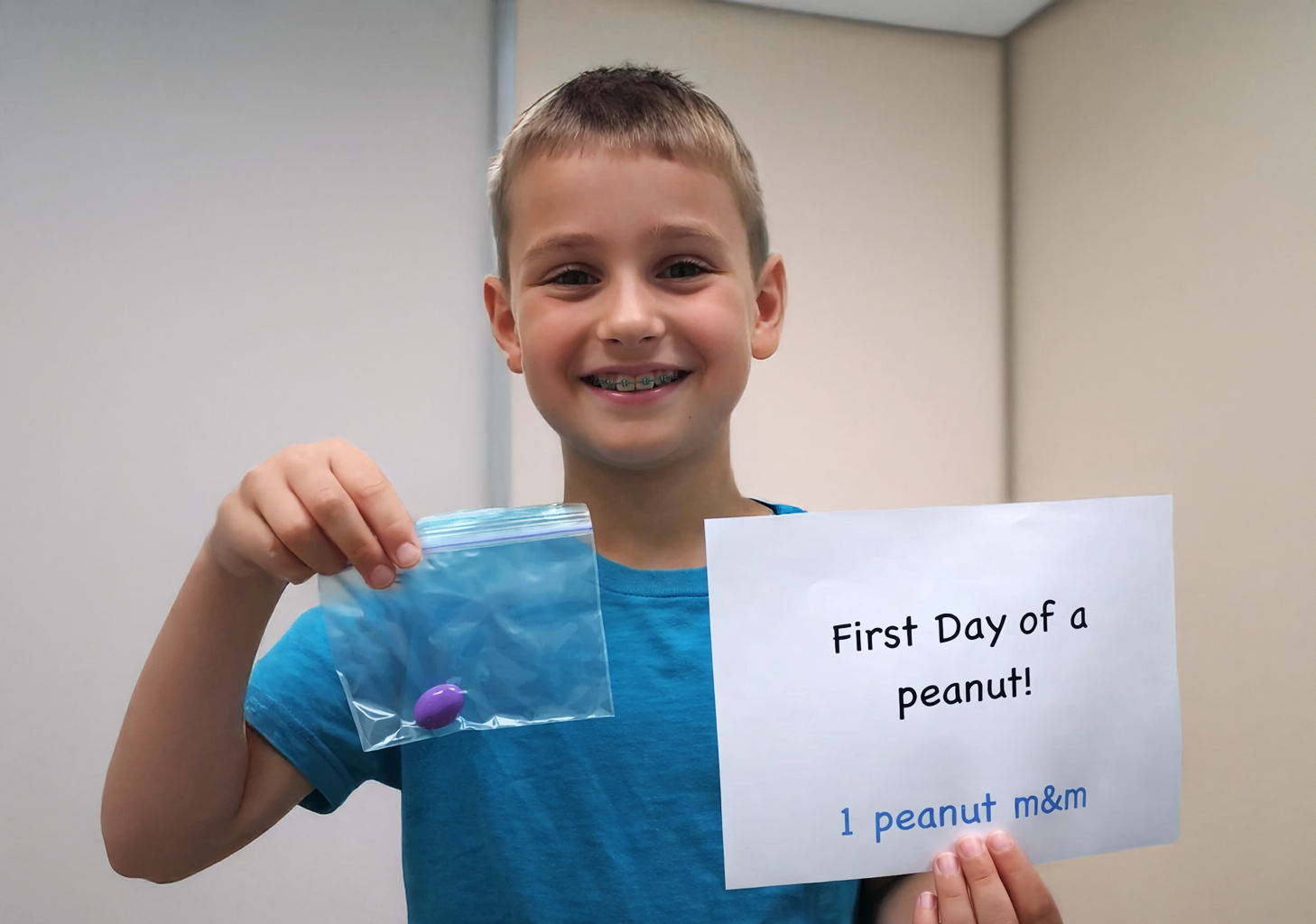
Oral immunotherapy (OIT) uses prescribed amounts of an allergenic food with physician-directed increases. The goal is to raise the amount tolerated by an appropriate patient. Dr. Shah guides the dosing plan, with supervised visits, home dosing, maintenance, and reaction precautions.
Learn about oral immunotherapy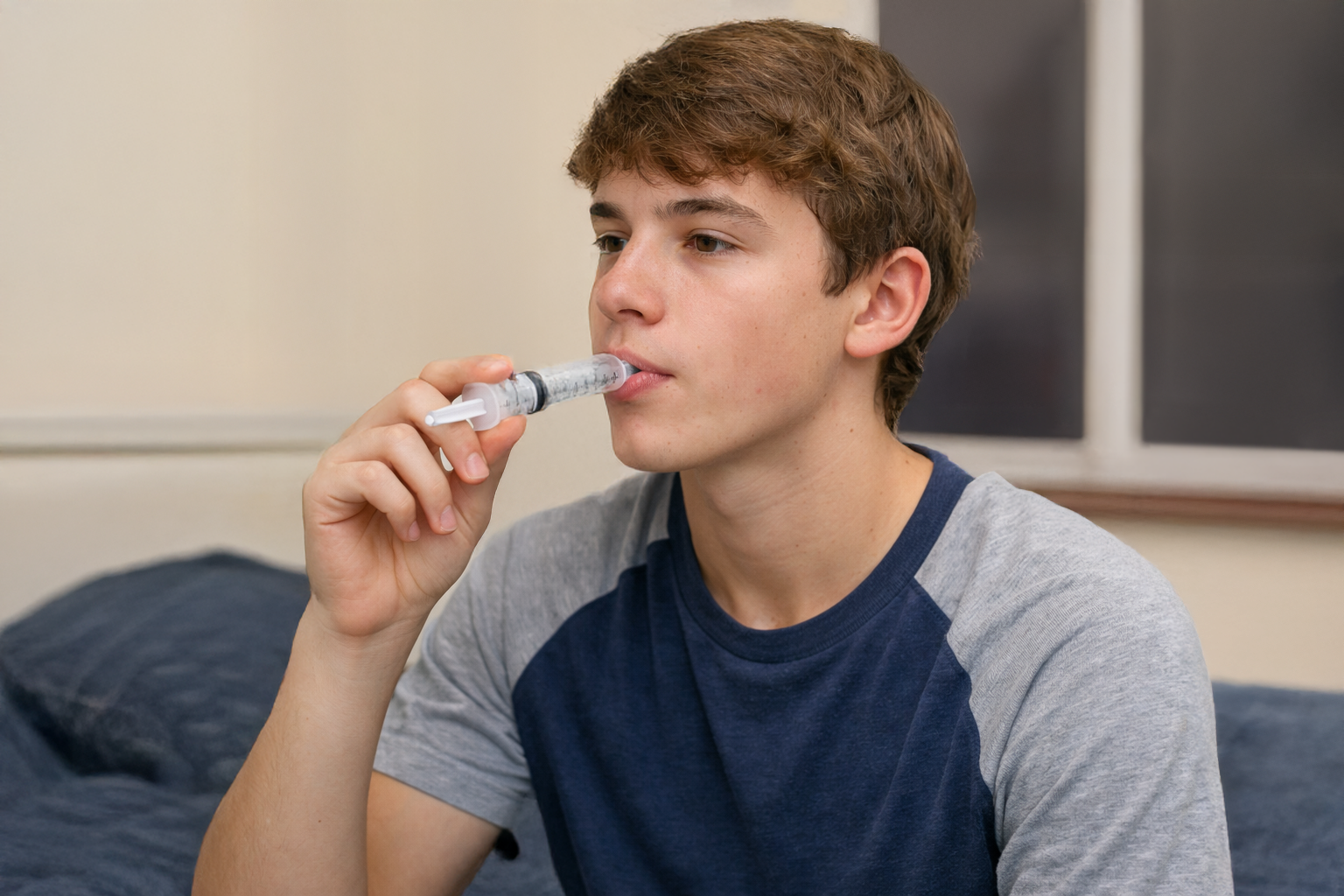
Sublingual immunotherapy (SLIT) uses prescribed allergen doses under the tongue. Dr. Shah considers whether this approach has a role in your care and explains its goals, limitations, and daily dosing routine. Clinical monitoring remains part of the plan.
Learn about sublingual immunotherapyFood Allergy Tolerance Enhancement Program
Set Priorities Across Foods
Treatment for multiple food allergies starts with understanding each food separately. Dr. Shah reviews your reaction history and test results for peanut, tree nut, milk, egg, or other allergies, then considers them together when developing an individualized plan around your priorities.
FATE™ Program
NYFA’s Food Allergy Tolerance Enhancement program connects diagnostic evaluation with individualized desensitization planning. Dr. Shah uses the FATE™ framework to guide care around your diagnosis, goals, and progress. The steps below show the elements he may consider for your plan.
- History and initial assessment
- IgE testing and BAT when appropriate
- Supervised oral food challenges when appropriate
- SLIT or OIT for selected patients
- Bite protection or broader eating goals, with ongoing guidance
Desensitization can cause allergic reactions and is not suitable for every patient. It is not a guaranteed cure. Patients must continue prescribed epinephrine, avoidance, emergency planning, and all dosing and monitoring instructions provided by their physician.
Food Allergy Care for Children, Teens and Adults
Care Across Life Stages
The questions change as children grow and adults take on new routines. Tell Dr. Shah what is changing at home, at school, or at work, as well as what you hope to understand about the allergy.

Infants and Children
Parents may be weighing food introduction, daycare meals, or an allergy discovered after a reaction. Food allergy testing for infants and children begins with the child’s history and foods currently tolerated. Dr. Shah discusses which tests, if any, could help. Bring current school or childcare forms for clinical review.

Teens and Young Adults
Dr. Shah includes teens and young adults in decisions about their care as they take on more independence. Conversations address eating with friends, college life, and managing prescribed medication, alongside the treatment goals that matter to them.

Adults
New symptoms and longstanding food restrictions both deserve attention in adulthood. Dr. Shah evaluates your history and discusses whether further testing or treatment may be appropriate. If symptoms began after years of eating a food, our article on adult-onset food allergies can help you prepare questions for the visit.

Board-Certified Allergist
Work Through the Details With Dr. Atul Shah
Dr. Atul Shah is a board-certified allergist and immunologist with more than 20 years of food allergy experience. His work at NYFA includes diagnostic evaluation, supervised food challenges, and individualized treatment planning. He brings that experience to patients with uncertain diagnoses, multiple food allergies, and questions about their next step.
Years of dedicated food allergy experience
Patient success stories across every age group
Food allergens evaluated and treated by NYFA
A Physician Who Knows the History
Your consultation is with Dr. Atul Shah. He reviews your history, explains the findings, and guides your treatment decisions. Bring records from previous care so that those details are part of the conversation.
Understand Each Recommendation
Ask what a proposed test could clarify and how its result might change the plan. Dr. Shah explains the role of testing and treatment in the context of your history, including any uncertainty that remains.
Connect the Plan With Daily Life
A school timetable, commuting days, and responsibilities at home can affect how you approach care. Discuss those details before deciding on treatment, including the time and monitoring required between appointments.
Review Progress Over Time
Dr. Shah considers your response to care when guiding the next stage of treatment. Follow-up provides an opportunity to review progress, address questions, and discuss whether the plan needs adjustment.
Patient Experience
What Patients Value About Working With NYFA
Patients describe what it was like to ask questions, work through treatment, and follow a plan with NYFA. These practice-wide perspectives reflect individual experiences, and results vary.
Practice-wide Google reviews, summarized for length and clarity. Follow each source link for the original wording. Individual experiences vary.
Read More Patient StoriesDr. Shah was incredibly thorough and kind. Our family appreciated the careful, medically supervised approach and the support throughout the immunotherapy process. We felt guided, listened to, and well prepared at each visit.
Your First Consultation
Before You Travel to NYFA
Start with the type of appointment you need, then plan the trip. A consultation, a supervised food challenge, and a treatment visit may require different preparation and different amounts of time. Confirm the details with the Manhattan office before arranging transportation.

Gather the Full Record
Bring original test reports, a medication list, reaction notes, and current care instructions. Include foods eaten without symptoms and restrictions that affect everyday meals. Food Allergy Testing: What to Expect explains the evaluation and questions to prepare.
Confirm the Appointment Details
Ask about the expected visit length, preparation, and whether someone should accompany you. Request medication instructions from the care team rather than changing them yourself. Contact the front desk with insurance and cost questions before you travel.
Plan the Whole Journey
For rail travel, check your Connecticut departure station and the connection from Grand Central to East 60th Street. If driving, include parking and the trip from the garage. Leave flexibility around the appointment, especially when observation may be needed.
Know What Happens Back Home
Before leaving, clarify any pending results, your written instructions, and when to contact the office. If treatment is recommended, discuss the expected return visits and home routine. A commute to Manhattan is only one part of the commitment; the plan between visits matters too.
Connecticut Food Allergy FAQs
Planning Your Care
Practical answers about choosing care, bringing previous results, and planning evaluation or treatment at NYFA’s Manhattan office.
Does NYFA have a food allergy office in Connecticut?
No. The care described on this page takes place at NYFA’s Manhattan office: 110 East 60th Street, Suite 708, New York, NY 10022. Connecticut patients can request a consultation with Dr. Atul Shah there. View the office address, hours, and directions before planning your visit.
What should I consider when choosing a food allergist from Connecticut?
Look for a board-certified allergist with experience in the question you need answered. Ask who will evaluate you, which tests may be useful, what treatment options are available, and what follow-up involves. For care outside Connecticut, consider both the initial appointment and any ongoing travel or home treatment responsibilities.
Can Dr. Shah review food allergy tests done in Connecticut?
Yes. Bring the original test reports, reaction history, and current care instructions. Dr. Shah reviews these alongside foods you tolerate and the questions you want answered. Further testing depends on the clinical question. Continue your prescribed precautions until a clinician advises a change.
Will every food allergy test happen at my first visit?
The visit begins with your history and the question that needs an answer. Testing is selected according to the evaluation and any preparation required. Ask the office what is planned before traveling; do not assume a consultation, blood testing, and a supervised food challenge will all happen on the same day. Read about the testing options.
When might BAT add information to previous skin or blood tests?
BAT is a functional blood test that measures how a patient’s basophils respond to a specific allergen in the laboratory. It may add information when traditional results are unclear or do not match the history. NYFA provides access to BAT through its affiliated CLIA-certified laboratory, NYAIRL, when the test is clinically appropriate. BAT does not replace clinical interpretation or an oral food challenge when a challenge is needed.
How should I plan a food challenge if I am traveling from Connecticut?
Confirm the full appointment window and preparation instructions before arranging transportation. A challenge includes measured food doses and observation and can take several hours. Allow extra flexibility if symptoms require further monitoring. Ask what to bring, whether someone should accompany you, and what instructions apply afterward. Do not stop medication or bring challenge food without guidance from the care team.
How often would food allergy treatment require trips to Manhattan?
The frequency depends on the treatment, stage of care, and prescribed plan. Ask about the initial visit, supervised dose increases, follow-up, and maintenance before starting. Home dosing does not remove the need for clinical monitoring. Discuss the expected appointment pattern with the office so you can consider it alongside school, work, and travel from Connecticut.
What should I bring if a Connecticut school or camp needs allergy information?
Bring the school or camp’s actual forms, submission deadlines, current emergency plan, medication list, and relevant test reports. Tell the office what documentation you need before the appointment. Dr. Shah can review the clinical information; confirm any school-specific requirements directly with the school or camp.
Can adults from Connecticut be evaluated for a new food allergy?
Yes. NYFA welcomes infants, children, teens, and adults. Adults may seek care for new symptoms after a familiar food or questions about an older diagnosis. Evaluation and any treatment recommendations depend on the individual history, health, and goals. The appointments described on this page are in Manhattan.
How can I check costs, insurance, or referral requirements before traveling?
Contact the Manhattan front desk at (212) 301-7636 with your insurance information and the type of visit you are considering. Ask about consultation and procedure fees separately, and confirm any coverage or referral requirements with your insurer before scheduling. Living in Connecticut does not by itself establish coverage for a Manhattan visit.
Can I use Metro-North to reach the Manhattan office?
Metro-North’s New Haven Line serves Connecticut stations including Greenwich, Stamford, Darien, and South Norwalk, with service to Grand Central. The office is on East 60th Street, so include the onward trip from the terminal. Check current Metro-North schedules and service information for your station and appointment day. Routes, stops, and travel times vary.
Individualized Food Allergy Care
Food Allergies We Treat. Care Built Around You.
Explore evaluation and treatment for peanut, tree nut, milk, egg, and other food allergies at NYFA’s Manhattan practice. If several foods are involved, bring the history for each so your consultation can address the questions that matter most to your current diet.













Manhattan Appointment Location
Your Appointment in Manhattan
Connecticut patients receive the care described here at 110 East 60th Street, Suite 708, in Manhattan. If you arrive at Grand Central, plan the remaining trip to the Upper East Side. The office is near the Lexington Avenue and 59th Street station complex.
NY Food Allergy & Wellness
Manhattan, New York
110 East 60th Street, Suite 708New York, NY 10022
Food Allergy Care for Connecticut Patients
Plan for the Visit. Prepare for What Comes Next.
Bring your food allergy questions, previous results, and the everyday concerns you want to address. Request a consultation with Dr. Atul Shah in Manhattan to discuss the evaluation and next steps appropriate for you.
Clinical noteThis page provides general information and does not replace individual medical advice. Food allergy diagnosis and treatment require an in-person evaluation. References: AAAAI, ACAAI, and the NIAID food allergy guidelines.