


Food Allergist Serving the Upper West Side
A Personalized Approach to Food Allergy Treatment
A Clearer Diagnosis. A Plan for Real Life.
Upper West Side patients see Dr. Atul Shah at NYFA’s Upper East Side office, 110 East 60th Street, Suite 708. Your evaluation connects the reaction history, foods eaten safely, and prior testing with the question you want answered. Care may include targeted diagnostics, a supervised food challenge, or individualized desensitization through the FATE™ Program.
Focused Evaluation
When to See a Food Allergist
Food allergy decisions show up in everyday Upper West Side life: a restaurant reaction with an uncertain ingredient, a school form that repeats an old diagnosis, a college student taking over emergency planning, or an adult reacting to a food that was previously routine.
Dr. Shah separates the immediate concern from the unanswered clinical question. That may mean identifying a likely trigger, deciding whether an avoided food still poses a risk, or determining whether testing would change the next step. The goal is a focused evaluation, not a longer list of restrictions.
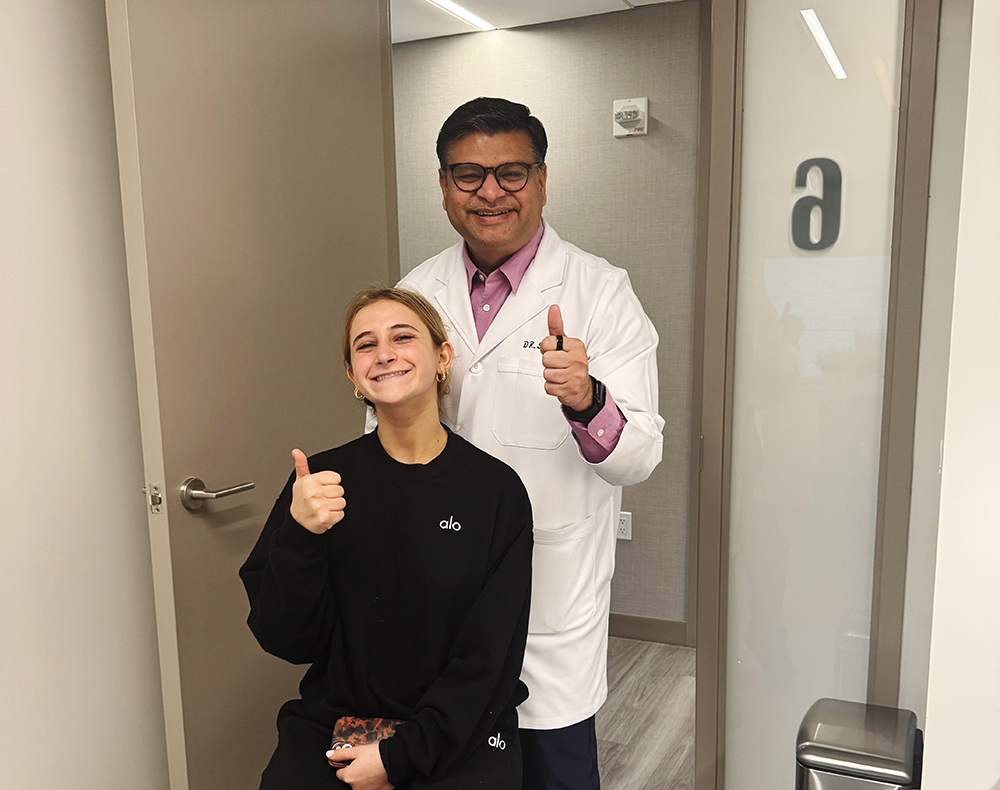
A Restaurant Reaction Has No Clear Trigger
Shared kitchens and multi-ingredient dishes can make one episode difficult to interpret. The full order, sauces, garnishes, timing, amount eaten, activity, alcohol, medications, and treatment used can all help narrow what deserves evaluation.
A School or Camp Plan No Longer Fits
An emergency plan should reflect the foods that are truly restricted, the medications prescribed, and the child’s current level of independence. A clinical review can clarify whether older test results still support the plan before another school year or program begins.
An Old Test Still Controls the Diet
A food may remain off the menu for years even when the original reaction was unclear or the food was never eaten. Skin and blood testing can show sensitization, but Dr. Shah considers whether reassessment or a supervised food challenge could provide a more useful answer.
Symptoms Started After Years of Normal Eating
Food allergy can begin in adulthood, but reflux, intolerance, pollen-food allergy syndrome, celiac disease, and other conditions may overlap with food-related symptoms. Timing and reproducibility matter before a familiar food is removed indefinitely.
Several Allergies Are Reshaping Daily Life
When multiple foods are avoided, nutrition, restaurant choices, travel, and social routines can become harder to manage. The first task is to confirm which allergies are clinically meaningful, then decide whether preparedness, challenges, staged treatment, or another sequence fits the patient.
Food Allergy Tolerance Enhancement. When Remission Stalls. The FATE Program Moves You Forward.
Advanced Diagnostics
Upper West Side patients often arrive with results collected at different ages or after different reactions. Dr. Shah first identifies what the next decision is: whether a food is likely responsible, whether an allergy may have changed, or whether a challenge or treatment discussion is appropriate. Each test is chosen for the information it can add to that decision.
Food Allergy Testing for the Upper West Side


History-Guided Skin, IgE and Component Testing
Targeted skin prick and food-specific IgE testing can help assess sensitization to selected foods. Component testing may add protein-level detail for certain allergens. Dr. Shah weighs those findings against the actual reaction, the amount eaten, and foods tolerated regularly so a number does not become the diagnosis by itself.
Learn about food allergy testing
BAT for Selected Diagnostic Questions
The Basophil Activation Test examines how basophils respond to a selected allergen in the laboratory. Through NYFA’s affiliated CLIA-certified laboratory, it may add functional information when conventional results and the patient’s history do not align. BAT is interpreted as one part of the evaluation and does not replace a food challenge when a challenge is clinically necessary.
Explore Basophil Activation Testing

Oral Food Challenges When Direct Evidence Matters
A medically supervised oral food challenge uses gradually increasing portions while the care team watches for symptoms. It may help rule an allergy in or out, determine whether an older allergy has resolved, or clarify a food that has never been eaten despite a positive test. It belongs in a medical setting because a reaction can occur.
Learn about oral food challengesIndividualized Treatment Planning
Food Allergy Treatment for the Upper West Side
Treatment is considered after the diagnosis, safety priorities, and desired outcome are defined. Dr. Shah looks at reaction history, asthma control, nutrition, age, schedule, number of allergens, and the ability to follow daily dosing rules. Some patients need clearer avoidance guidance; others may be candidates for a physician-directed form of desensitization.
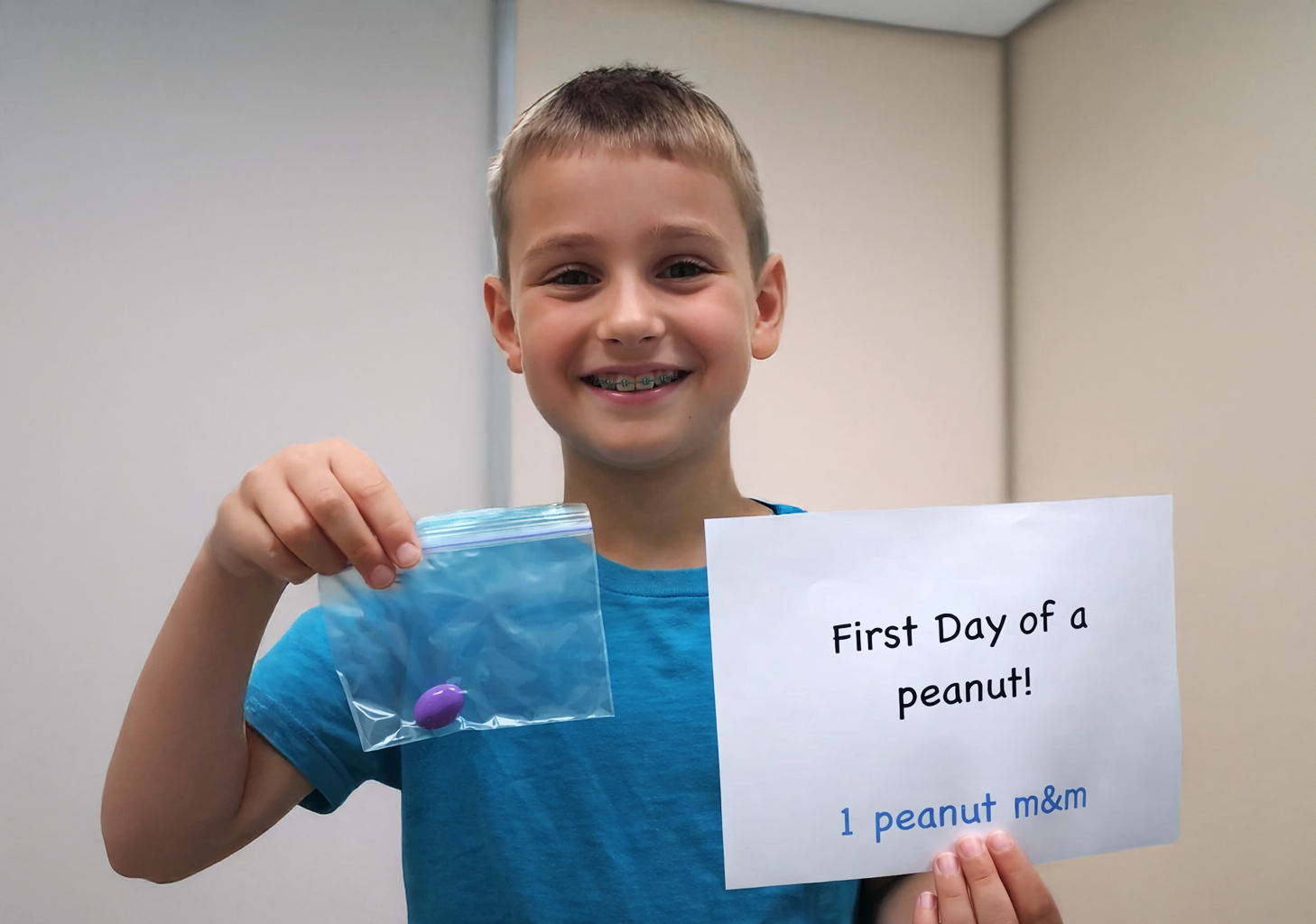
OIT uses measured amounts of a confirmed allergen that increase gradually under medical direction. The intended threshold, pace, home-dosing instructions, and maintenance plan are individualized. The treatment may increase protection from an exposure, but it does not mean the allergen can automatically be eaten without limits.
Learn about oral immunotherapy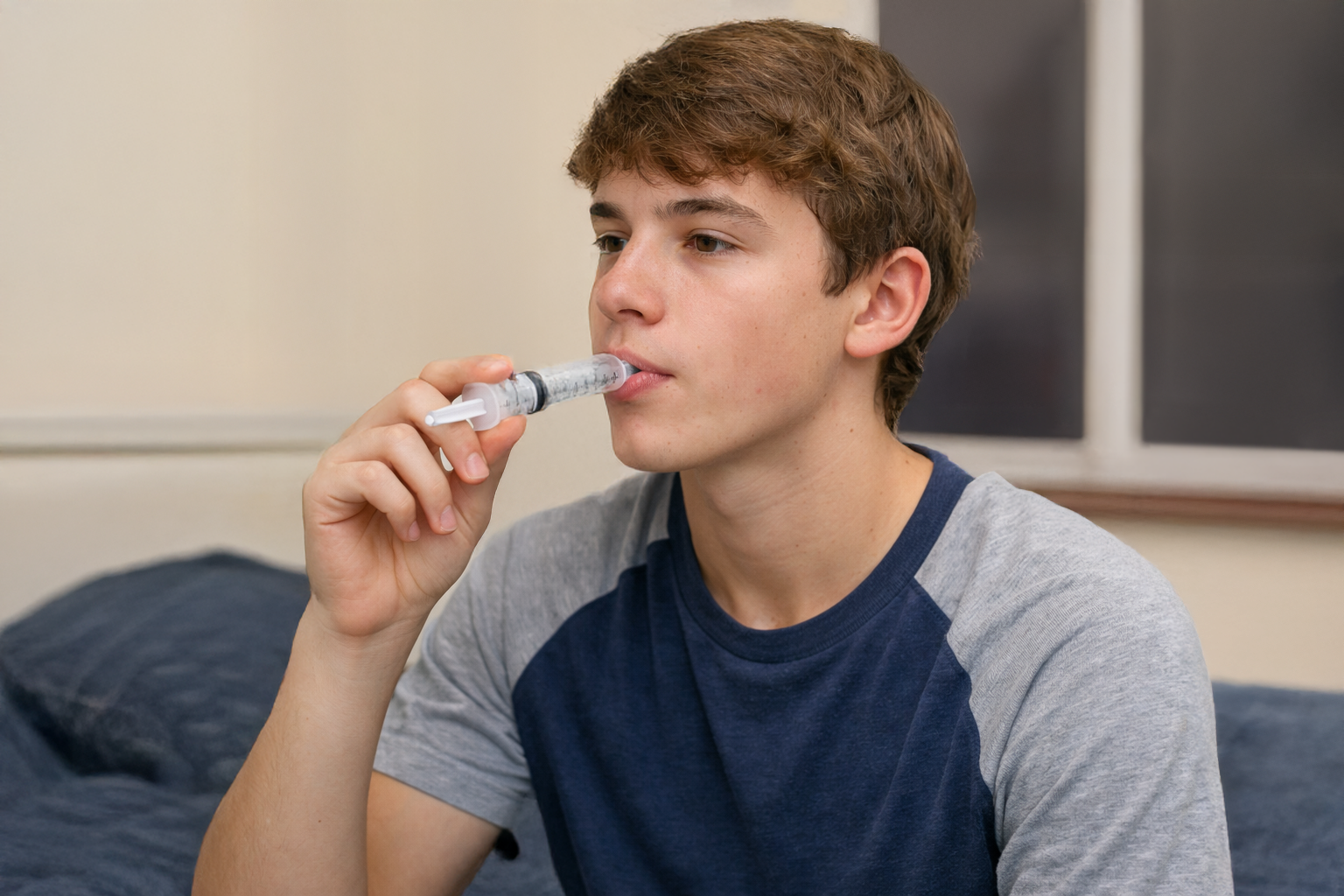
Food-allergy SLIT delivers small clinician-directed amounts under the tongue. Dr. Shah may consider it for selected patients on its own or within a staged plan. Its dose, expected benefit, monitoring, and role alongside other treatment options differ from OIT.
Learn about sublingual immunotherapyFood Allergy Tolerance Enhancement Program
Sequencing Care Across Several Foods
With several suspected or confirmed allergies, the order matters. Dr. Shah weighs nutritional value, reaction history, current exposures, testing, and the patient’s most disruptive restrictions before deciding which food to clarify or address first. Selected patients may work on more than one food during a treatment cycle, but the sequence is never automatic.
FATE™ Program
FATE™, or Food Allergy Tolerance Enhancement, is Dr. Shah’s five-phase approach to evaluation and desensitization. Testing, treatment, and eating goals are individualized rather than a fixed sequence for every patient.
- History and initial assessment
- IgE testing and BAT when appropriate
- Supervised oral food challenges when appropriate
- SLIT or OIT for selected patients
- Bite protection or broader eating goals, with ongoing guidance
Desensitization can cause allergic reactions and is not suitable for every patient. It is not a guaranteed cure. Patients must continue prescribed epinephrine, avoidance, emergency planning, and all dosing and monitoring instructions provided by their physician.
Food Allergy Care for Children, Teens and Adults
Care Across Life Stages
From school lunches to dining out, food allergy needs change with age. Dr. Shah helps children, teens, and adults build a care plan around their health needs and daily routines.

Infants and Children
Parents may need help interpreting a first reaction, introducing foods safely, protecting nutrition and growth, or reviewing restrictions before school or camp. The evaluation distinguishes confirmed allergy from unanswered questions and identifies the next practical step.

Teens and Young Adults
Increasing independence changes the risk conversation. Care may address carrying epinephrine, ordering food, shared kitchens, sports, college, travel, and whether a treatment schedule can remain consistent as routines change.

Adults
Adults may be evaluating a new reaction, revisiting a childhood label, or considering treatment for a restriction that affects dining, work, or family life. Dr. Shah also evaluates adults with several suspected allergies or conflicting prior results.
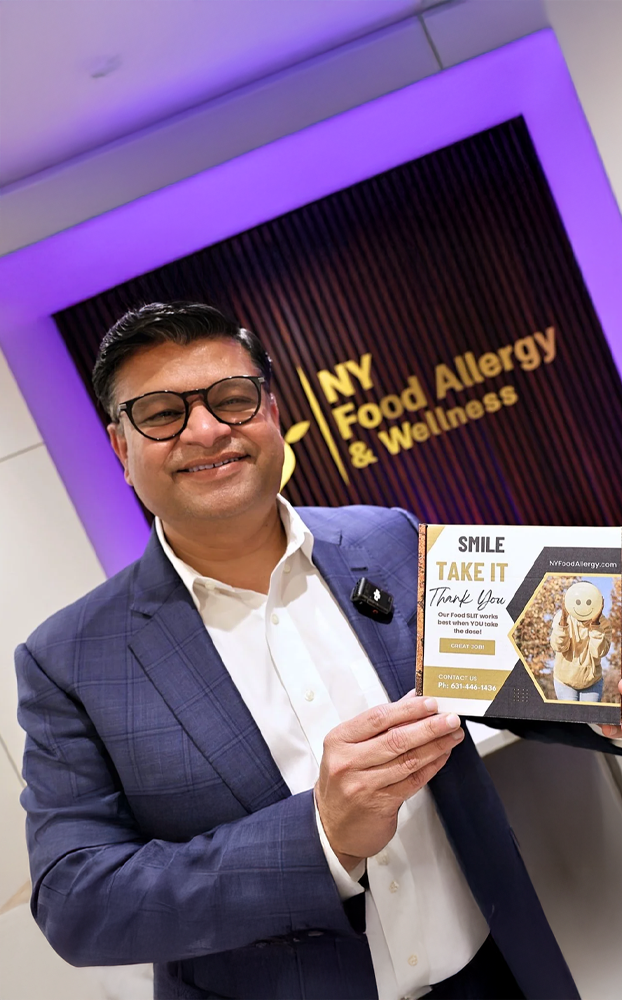
Board-Certified Allergist
Why Upper West Side Patients Work With Dr. Atul Shah
A useful food allergy plan requires continuity between the history, the tests, and the decisions that follow. Dr. Atul Shah is board-certified in Allergy and Immunology and has more than 20 years of food allergy experience. Upper West Side patients see him through NYFA’s Manhattan practice for evaluation, advanced diagnostics, supervised food challenges, desensitization planning, and maintenance care.
Years of dedicated food allergy experience
Patient success stories across every age group
Food allergens evaluated and treated by NYFA
One Physician Connects the Evidence
Dr. Shah follows the clinical question from the first history through testing, a possible food challenge, treatment decisions, and longer-term monitoring.
Advanced Options With a Defined Purpose
Specific IgE, component testing, BAT in selected cases, and supervised oral food challenges are used when the result can meaningfully change care.
Experience Beyond a Single Allergen
NYFA evaluates common and less common foods, including patients whose nutrition and routines are affected by several confirmed or suspected allergies.
Planning That Accounts for Manhattan Life
Recommendations consider school, work, restaurants, commuting, travel, independence, nutrition, and the practical demands of follow-up and maintenance.
Patient Experience
What Patients Value About Working With NYFA
Patients and families often describe the parts of specialty care that matter between appointments: clear explanations, direct involvement from Dr. Shah, careful supervision, responsive communication, and a plan they can understand and maintain.
Practice-wide Google reviews, summarized for length and clarity. Follow each source link for the original wording. Individual experiences vary.
Read More Patient StoriesDr. Shah and the team at NY Food Allergy & Wellness were exceptional. After completing oral food challenges, I learned that shellfish was not the trigger I had assumed for years. The team was kind, thorough, and clear throughout the process.
Your First Consultation
Planning Your Visit Across Town
The first consultation is used to organize the evidence and choose the most useful next decision. It also allows the care team to determine whether a later appointment should be structured for testing, a supervised food challenge, or treatment at the Manhattan office.

Bring the Meal, Not Just the Suspected Food
List every known ingredient, preparation detail, amount eaten, timing, symptoms, activity, and treatment. Menus, package labels, photographs, and emergency records can help reconstruct a complicated episode.
Show What Changed Since the Diagnosis
Bring earlier reports and note which foods are still eaten safely, which are avoided after a convincing reaction, and which disappeared from the diet only because of testing or concern.
Choose the Decision That Matters Most
The immediate goal may be identifying a trigger, reassessing an older allergy, planning a challenge, updating school or work safety, or exploring desensitization. A defined priority helps keep testing focused.
Allow Time Beyond the Trip
A nearby appointment can still require several hours when testing includes a food challenge. Confirm the visit type and expected length before scheduling school pickup, work, or the trip home.
Upper West Side Food Allergy FAQs
Questions Upper West Side Patients Ask Before Scheduling
Answers about testing, treatment, and arranging care from the Upper West Side. Visits with Dr. Shah take place at our Upper East Side office.
What is the best doctor to see for food allergies?
A board-certified allergist and immunologist with focused food allergy experience is the appropriate specialist. The evaluation should connect symptoms, existing results, and foods currently tolerated. Upper West Side patients can see Dr. Atul Shah at NYFA's Upper East Side office for diagnostic clarification and a discussion of suitable treatment options.
Where can I get a food sensitivity test in NYC?
Dr. Shah evaluates suspected food allergies at NYFA's Upper East Side office. If you use 'sensitivity' to describe symptoms, explain what happens after eating so the evaluation can distinguish possible allergy from intolerance or another condition. A broad IgG panel does not reliably establish these diagnoses. Testing should follow the clinical question, rather than a preset list of foods.
Will insurance pay for food allergy testing?
Your benefits depend on the insurer, plan, medical indication, and services ordered. Ask about coverage for the consultation, specific tests, and any outside laboratory separately. Before traveling to the office, confirm network participation, referral or authorization requirements, and potential out-of-pocket charges. Neither a referral nor coverage for an office visit guarantees payment for every test.
What is the most accurate food allergy test?
When clinically appropriate, a supervised oral food challenge is the reference standard for determining whether eating a food causes a reaction. It is not needed or suitable for every patient. Dr. Shah weighs the history, skin or blood results, and risk before recommending it. Testing may clarify an old diagnosis without assuming every positive result represents an allergy.
Does Dr. Shah have an office on the Upper West Side?
No. Upper West Side patients see Dr. Shah at NY Food Allergy & Wellness on the Upper East Side: 110 East 60th Street, Suite 708, New York, NY 10022. Consultations, testing, and treatment visits are arranged through that Manhattan practice. Confirm your appointment details before traveling.
How should I plan a visit across town for testing or treatment?
Confirm the appointment type before arranging your day. An oral food challenge typically takes about 3 to 4 hours; an initial OIT day typically takes 4 to 6 hours. Add time for the crosstown journey and possible additional observation. Check current routes with the MTA trip planner, and ask the team about your specific visit.
Can Dr. Shah help us update a school or camp allergy plan?
Bring the current plan, requested forms, deadline, and medication instructions to your consultation. Dr. Shah can review which allergies and precautions the documentation needs to reflect. Requirements vary by school or camp, so provide their forms rather than assuming one document works everywhere. Mention upcoming deadlines when you contact the office.
What should I bring after a reaction to a restaurant meal?
Bring the menu or ingredient information if available, photographs of symptoms, and any urgent-care or emergency records. Write down what you ate, the timing, symptoms, activity, and treatment received. Dr. Shah can use these details to guide targeted evaluation, even when several ingredients were involved. The exact trigger cannot always be recovered from a restaurant meal.
Can a food allergy start in adulthood after years without problems?
Yes. Adults can develop an allergy to a previously tolerated food, although new symptoms after eating can have other causes. The timing, consistency of the reaction, and ingredients matter. Dr. Shah reviews that history before recommending tests or long-term restrictions. Follow any existing emergency or avoidance instructions while awaiting evaluation.
How do I know whether OIT or SLIT might fit my goals?
Start by explaining what you want to change, such as concern about accidental exposure or limitations around meals. Dr. Shah then considers the confirmed allergy, reaction risk, medical history, and daily treatment responsibilities. OIT and SLIT differ in dosing and expected effects. Either requires a prescribed plan, ongoing monitoring, and continued emergency preparedness.
Can one care plan address several food allergies?
Yes, when clinically appropriate. Dr. Shah assesses each food separately, then considers how testing, challenges, or treatment can fit within one plan. Priorities may depend on nutrition, likely exposure, risk, and the patient's goals. Some foods may be addressed together and others in stages; a long list of positive tests is not automatically a treatment list.
Individualized Food Allergy Care
Food Allergies We Treat. Care Built Around You.
A neighborhood restaurant reaction, a childhood label, and a multi-food treatment question require different kinds of evidence. NYFA evaluates common allergens and less common foods, then selects testing or treatment around the patient’s actual exposure history rather than a standard panel.













Manhattan Appointment Location
Where Upper West Side Patients See Dr. Shah
Appointments are on the Upper East Side at 110 East 60th Street, Suite 708. Check the current crosstown route from your starting point, and confirm how long to allow for the scheduled consultation, test, or treatment visit.
NY Food Allergy & Wellness
Manhattan, New York
110 East 60th Street, Suite 708New York, NY 10022
Food Allergy Consultations for the Upper West Side
One visit should answer the right question, not create a longer avoidance list.
Request a consultation with Dr. Atul Shah and tell the care team what happened, which foods are still eaten safely, what has been avoided, and which tests have already been completed. The first goal is to define the decision that needs a reliable answer.
Clinical noteThis page provides general information and does not replace individual medical advice. Food allergy diagnosis and treatment require an in-person evaluation. References: AAAAI, ACAAI, and the NIAID food allergy guidelines.