


Food Allergy Specialist in Manhattan
Food Allergy Treatment built around your life goals
Clearer Answers. A More Personal Path Forward.
Food allergy concerns can affect every meal, school day, work event, trip, and family decision. At NY Food Allergy & Wellness’s Upper East Side office, board-certified food allergist Dr. Atul Shah provides focused food allergy evaluation, advanced testing, medically supervised oral food challenges, and individualized treatment planning for infants, children, teens, and adults.
Focused Evaluation
When to See a Food Allergist in Manhattan
Some patients come to NYFA after a clear reaction. Others have avoided one or more foods for years based on a childhood diagnosis, an earlier test, or advice that never fully explained what the result meant.
A focused consultation can organize the history, identify the unanswered questions, and determine whether additional testing, a supervised food challenge, continued avoidance, or treatment should be considered.
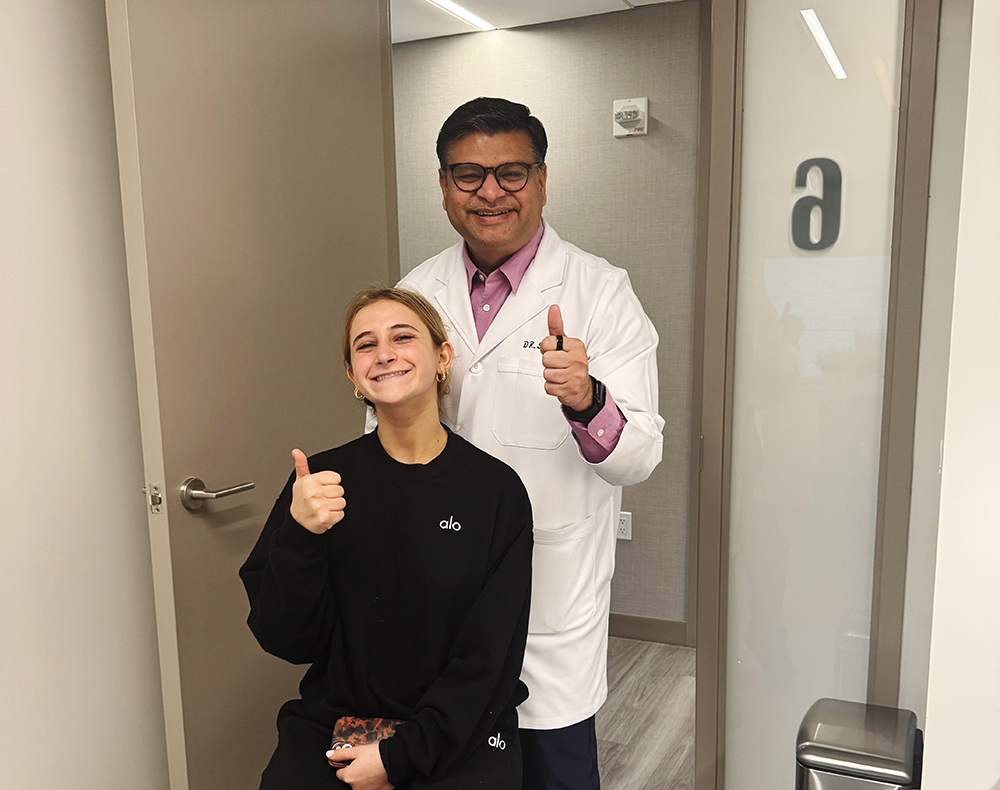
A Reaction Needs Clarification
A suspected food reaction may involve hives, swelling, vomiting, breathing symptoms, dizziness, or symptoms affecting more than one part of the body. Timing, amount eaten, other ingredients, exercise, medications, and previous tolerance can all matter. The goal is to understand what happened and identify the most useful next step.
Previous Testing Does Not Match the History
A positive skin or blood test can show sensitization, but it does not always prove that eating the food will cause a clinical reaction. Dr. Shah may review the original results, foods currently tolerated, reaction patterns, and whether targeted additional testing would add meaningful information.
A Food Has Been Avoided for Years
Some patients continue avoiding foods because of an early reaction, an old test result, or a diagnosis that has never been reassessed. A food allergist can help determine whether continued avoidance is appropriate and whether updated testing or a supervised oral food challenge should be discussed.
You Want to Know Whether an Allergy Has Changed
Food allergy status can change over time, particularly during childhood, but the timing and likelihood vary by allergen and patient. Testing may guide the decision, while a medically supervised oral food challenge is sometimes needed to determine whether a food can be reintroduced.
You Want to Explore Treatment Beyond Avoidance
Avoidance and emergency preparedness remain essential parts of care. Selected patients may also consider treatment intended to increase protection from accidental exposure or support greater dietary flexibility. The discussion depends on confirmed allergies, age, medical history, reaction risk, daily routine, and treatment goals.
Food Allergy Tolerance Enhancement. When Remission Stalls. The FATE Program Moves You Forward.
Advanced Diagnostics
Food allergy testing is most useful when it is selected to answer a specific clinical question. No single test provides the complete answer by itself. Dr. Shah begins with reaction history, foods currently eaten, foods being avoided, previous results, age, other medical conditions, and the decision the patient or family needs to make. Testing may help clarify the diagnosis, evaluate whether an allergy has changed, determine whether an oral food challenge should be considered, or support treatment planning.
Food Allergy Testing in Manhattan


Targeted Skin, IgE and Component Testing
Skin prick testing and specific IgE blood testing may help identify sensitization. Component testing can provide more detailed information about proteins involved in certain allergies. Results still need to be interpreted alongside reaction history and current food tolerance.
Learn about food allergy testing
Basophil Activation Testing in Selected Cases
BAT is a functional blood test that measures how a patient’s basophils respond to a specific allergen in the laboratory. It may add information when traditional results are unclear or do not match the history. NYFA provides access to BAT through its affiliated CLIA-certified laboratory, NYAIRL, when the test is clinically appropriate. BAT does not replace clinical interpretation or an oral food challenge when a challenge is needed.
Explore Basophil Activation Testing

Medically Supervised Oral Food Challenges
An oral food challenge involves carefully measured and gradually increased amounts of a food under close medical supervision. A challenge may confirm or rule out an allergy, assess whether tolerance has developed, or clarify a reaction threshold. Oral food challenges are performed in a medical setting with monitoring and emergency-response capability.
Learn about oral food challengesIndividualized Treatment Planning
Food Allergy Treatment in Manhattan
Food allergy treatment should reflect the individual patient, not only the name of the allergen. Dr. Shah considers diagnosis, reaction history, age, medical conditions, nutritional needs, number of foods involved, lifestyle, comfort level, and treatment goals before recommending a plan. Some patients work toward added protection from accidental exposure. Others may work toward greater dietary flexibility or the regular inclusion of a previously avoided food.
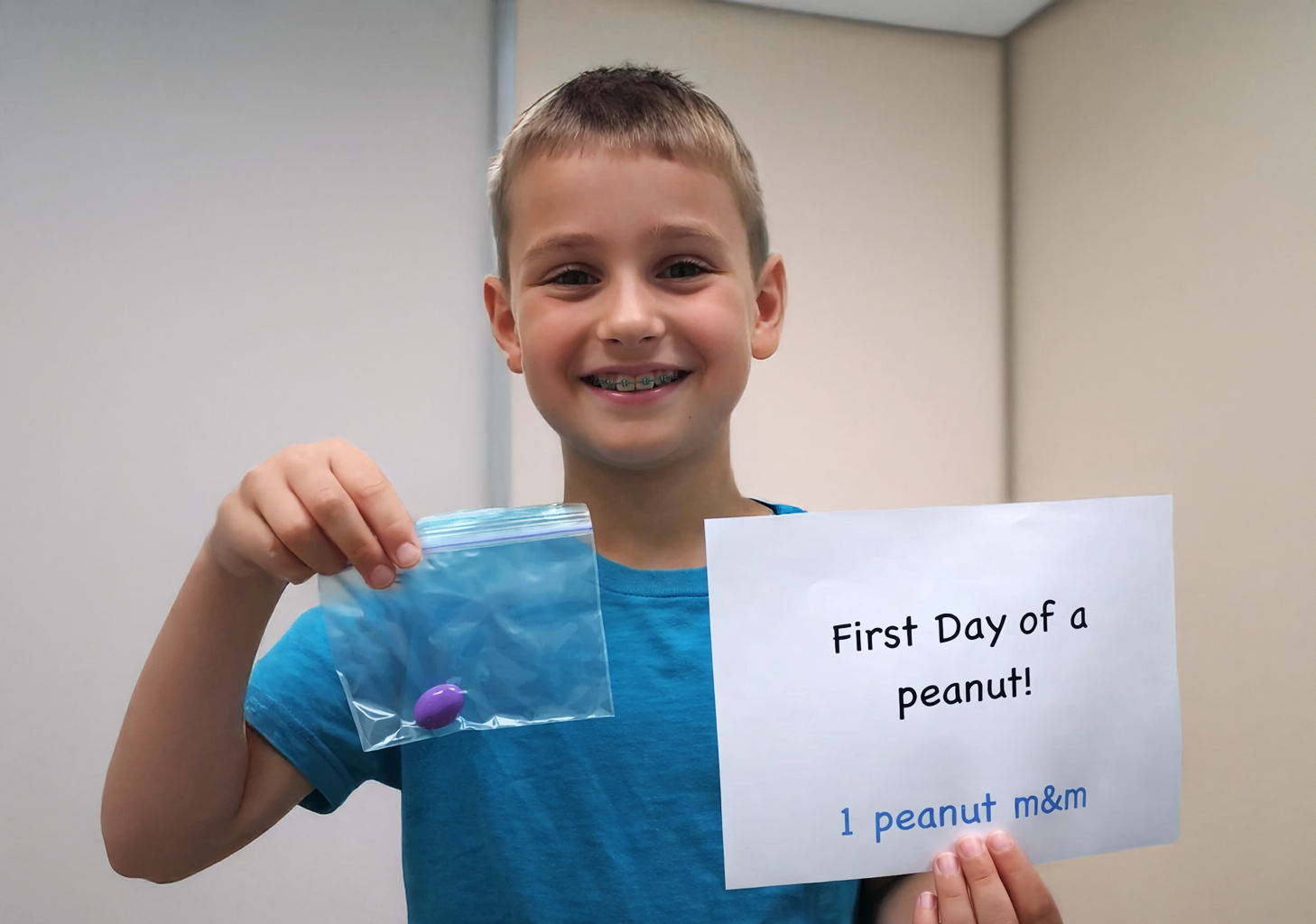
OIT uses carefully measured oral doses of an allergenic food. Doses are increased gradually according to a physician-guided protocol. The purpose is to build desensitization over time. Eligibility, dosing, monitoring, maintenance, and intended endpoint vary by patient.
Learn about oral immunotherapy
SLIT uses small individualized amounts of allergen placed under the tongue. It may be considered as part of a gradual desensitization plan, independently or in connection with other treatment steps when appropriate.
Learn about sublingual immunotherapyFood Allergy Tolerance Enhancement Program
Managing Multiple Food Allergies
For patients managing multiple food allergies, Dr. Shah works closely with families to decide which allergen or allergens to address first. In selected cases, more than one food may be treated within the same OIT cycle based on clinical planning, safety, and ongoing monitoring.
FATE™ Program
FATE™, or Food Allergy Tolerance Enhancement, is Dr. Shah’s five-phase approach to evaluation and desensitization. Testing, treatment, and eating goals are individualized rather than a fixed sequence for every patient.
- History and initial assessment
- IgE testing and BAT when appropriate
- Supervised oral food challenges when appropriate
- SLIT or OIT for selected patients
- Bite protection or broader eating goals, with ongoing guidance
Desensitization is not a cure and does not replace emergency preparedness, prescribed epinephrine, or the patient’s food allergy action plan. Treatment requires physician guidance, ongoing monitoring, and adherence to the recommended protocol.
Care Across Life Stages
Food Allergy Care for Children, Teens and Adults
Food allergy concerns change across different stages of life. NYFA provides evaluation and treatment within one food-allergy-focused practice.

Infants and Children
For younger patients, evaluation may involve early reactions, foods that have not yet been introduced, nutritional concerns, school planning, previous testing, and questions about whether an allergy may be outgrown. Parents should leave with a clearer understanding of what is known, what remains uncertain, and what the next step should be.

Teens and Young Adults
Teenagers and young adults begin taking more responsibility for food choices, medication, dining out, school or college, travel, sports, and social situations. Care may include diagnostic clarification, emergency preparedness, treatment options, and planning for greater independence.

Adults
Adults may seek evaluation after a recent reaction, years of food avoidance, an uncertain childhood diagnosis, or testing that never matched their experience. NYFA also works with adults who want to discuss oral food challenges, OIT, SLIT, or treatment for multiple food allergies.
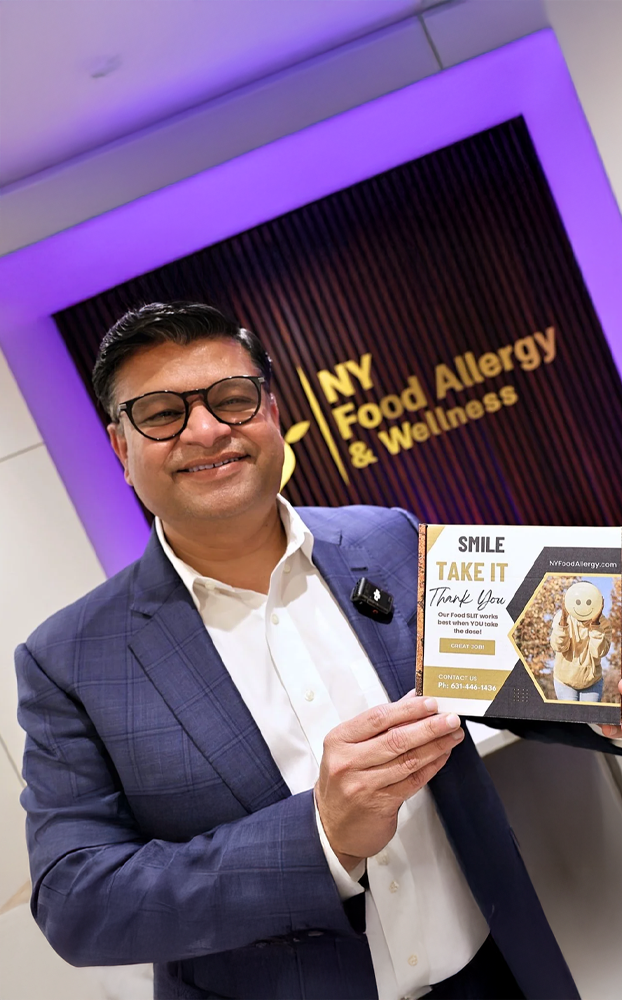
Board-Certified Allergist
Why Manhattan Patients Choose Dr. Atul Shah
Dr. Atul Shah is a board-certified allergist and immunologist and the founder of NY Food Allergy & Wellness. With more than 20 years of experience and more than 15,000 patient success stories, his practice is built specifically around food allergy evaluation, advanced diagnostics, oral food challenges, desensitization, and long-term treatment planning.
Years of dedicated food allergy experience
Patient success stories across every age group
Food allergens evaluated and treated by NYFA
One Physician From Evaluation Through Treatment
Dr. Shah remains directly involved as the patient moves from history and diagnostic clarification into food challenges, treatment, and maintenance.
Access to Advanced Diagnostics
Testing may include specific IgE, component testing, BAT through the affiliated CLIA-certified NYAIRL laboratory, and medically supervised oral food challenges, selected according to the clinical question.
Experience Across More Than Thirty Allergens
NYFA evaluates and treats allergies involving peanut, tree nuts, milk, egg, wheat, soy, sesame, chickpea, lentil, sunflower seed, and many other foods.
Care Across Every Age Group
Recommendations account for age, development, nutrition, independence, and the realities of daily life.
The Patient Experience
What Patients Value About Their Care
Across public reviews, patients and families frequently describe clear explanations, careful supervision, responsive support, and an experience that feels personal rather than rushed.
Practice-wide Google reviews, summarized for length and clarity. Follow each source link for the original wording. Individual experiences vary.
Read More Patient StoriesDr. Shah provided thoughtful, closely supervised care during our daughter's peanut oral immunotherapy. We felt supported at every step, and our family gained more confidence managing day to day food decisions. The staff was kind, responsive, and consistently helpful.
Your First Consultation
Your First Food Allergy Consultation
The exact sequence varies. The first goal is to understand the history, define the question that needs an answer, and choose the next step that is most likely to provide useful information.

Start With the History
Discuss the foods involved, reaction timing, symptoms, amounts eaten, previous tolerance, emergency treatment, earlier testing, and foods currently being avoided.
Identify the Question That Needs an Answer
The clinical question may be whether a true allergy is present, whether it has changed, whether a food challenge is appropriate, or whether the patient may be a candidate for treatment.
Choose the Next Step
Not every patient needs every test at the first visit. Dr. Shah may recommend targeted testing, review of existing results, a future oral food challenge, continued avoidance, updated emergency planning, or a treatment consultation.
Plan for the Appointment Type
A consultation, food challenge, and initial OIT day have different schedules. Confirm the visit type before arranging work or school. See our Upper East Side office page for location and arrival details.
Manhattan Food Allergy FAQs
Questions Patients Ask Before Scheduling
Answers about choosing a specialist, understanding testing, and planning food allergy care in Manhattan. Personal recommendations follow a clinical evaluation.
What is the best doctor to see for food allergies?
A board-certified allergist and immunologist with experience in food allergy diagnosis and treatment is the appropriate specialist. Look for someone who explains how your history and test results fit together. At NYFA, Dr. Atul Shah evaluates children and adults and discusses care around their confirmed allergies, medical needs, and goals.
How much do food allergy tests cost?
The cost depends on which tests are recommended, any laboratory charges, and your insurance benefits. Skin testing, blood testing, and an oral food challenge involve different services. Ask NYFA about the proposed evaluation and available cost information before testing, then confirm your expected share with your insurer. There is no single price for every patient's evaluation.
Will insurance pay for food allergy testing?
Coverage depends on your plan, the reason for testing, the specific test, and the provider or laboratory involved. Before your Manhattan visit, confirm network status, deductibles, referral requirements, and any prior authorization with your insurer and the office. Coverage for a consultation does not establish coverage for every test or treatment.
What is the most accurate food allergy test?
A medically supervised oral food challenge is the diagnostic reference standard when it is appropriate and needed. It directly assesses whether eating a food causes a reaction. Skin and blood tests provide other evidence, and a clear history may make a challenge unnecessary. Dr. Shah selects testing according to the question and the patient's risk; challenges should never be attempted at home.
Where will my Manhattan appointment with Dr. Shah take place?
Appointments take place at NY Food Allergy & Wellness, 110 East 60th Street, Suite 708, New York, NY 10022, on the Upper East Side. Use the full address when planning your arrival. The Upper East Side office page provides more information about visiting the practice.
What happens at the first food allergy consultation?
Dr. Shah reviews the reaction history, foods currently eaten or avoided, previous testing, medications, and what you want to understand or change. He then recommends the next step. That may be targeted testing, a separately scheduled food challenge, treatment planning, or continued observation. The first visit does not automatically include every test.
Does NYFA see both children and adults?
Yes. NYFA evaluates infants, children, teens, and adults. For a young child, care may focus on an early reaction or feeding concerns. For an adult, it may involve new symptoms, an old diagnosis, or treatment goals. Recommendations account for age, nutrition, medical history, and the realities of daily life.
Can I bring results from another allergist?
Yes. Bring the original skin or blood test reports, available reaction or emergency records, and your current medication list. Also note which foods you eat without symptoms and which you avoid. Existing information helps Dr. Shah decide whether additional testing would answer a useful question rather than simply repeat previous work.
What is the difference between OIT and SLIT for food allergies?
Oral immunotherapy (OIT) uses measured doses of a food taken by mouth. Sublingual immunotherapy (SLIT) uses small prescribed amounts of allergen held under the tongue. Their dosing, expected effects, and precautions differ. Dr. Shah considers the confirmed allergy, health history, and treatment goals when discussing either option. Both require medical guidance and ongoing monitoring.
Can treatment address more than one food allergy?
Selected patients may address several confirmed food allergies through a coordinated plan. Dr. Shah considers which foods matter most nutritionally and practically, along with reaction history and treatment readiness. Some foods may need further evaluation before treatment is considered. A positive test to several foods does not mean all of them require desensitization.
When can BAT add information beyond a standard allergy blood test?
A standard specific IgE test measures antibodies to an allergen. The Basophil Activation Test (BAT) measures how basophils respond to an allergen in the laboratory. Dr. Shah may consider BAT when additional functional information could clarify the evaluation. It is interpreted with the history and other findings, and does not automatically replace an oral food challenge.
Individualized Food Allergy Care
Food Allergies We Treat.Care Built Around You.
One food can change every meal. Several can reshape an entire routine. NYFA evaluates and treats a wide range of food allergies with testing and treatment plans selected around each patient’s history, risk, age, and goals.













Upper East Side Office
Visit NYFA’s Upper East Side Office
NYFA’s Manhattan practice is at 110 East 60th Street, Suite 708, near Lexington Avenue and 59th Street. Find the address and hours below, or visit the Upper East Side office page for appointment preparation and arrival details.
NY Food Allergy & Wellness
Manhattan, New York
110 East 60th Street, Suite 708New York, NY 10022
Manhattan Food Allergy Consultations
Looking for clearer answers about a food allergy?
Request a consultation with Dr. Atul Shah at NYFA’s Upper East Side office. Tell the care team what happened, which foods are involved, what testing has already been completed, and what questions you need the evaluation to answer.
Clinical noteThis page provides general information and does not replace individual medical advice. Food allergy diagnosis and treatment require an in-person evaluation. References: AAAAI, ACAAI, and the NIAID food allergy guidelines.