


Food Allergist Serving Queens
Food Allergy Desensitization & Advanced Testing for Queens, NY
Clearer Answers. Care Built for Real Life.
Queens patients see board-certified allergist Dr. Atul Shah at NYFA’s Manhattan office, 110 East 60th Street, Suite 708. He connects symptoms, foods eaten safely, and previous results with your goals. Care may include targeted testing, a supervised food challenge, or desensitization through the Food Allergy Tolerance Enhancement (FATE™) Program.
Focused Evaluation
When to See a Food Allergist From Queens
A food allergy question often begins outside the exam room: a reaction after a restaurant meal, a child sent home from school, an ingredient that was never clearly identified, or years of avoiding foods because of an old test.
Dr. Shah works backward from what actually happened. The food, recipe, timing, amount, symptoms, treatment, exercise, illness, and prior tolerance all matter. That history helps determine whether focused testing, observation, a food challenge, or another type of evaluation is the right next step.
A Reaction Had More Than One Possible Trigger
Multi-ingredient meals can make the responsible food difficult to identify. Hives, swelling, vomiting, coughing, wheezing, throat symptoms, or dizziness require careful review of the entire meal and circumstances, not an assumption based on the most obvious ingredient.
Testing and Everyday Eating Tell Different Stories
A patient may eat a food without symptoms even though a skin or blood test was positive, or may have a convincing reaction despite an unclear result. Dr. Shah interprets testing in the context of actual exposure before deciding whether more testing or a supervised oral food challenge may add clarity.
The Symptoms May Not Be an IgE-Mediated Allergy
Lactose intolerance, pollen-food allergy syndrome, reflux, celiac disease, eosinophilic conditions, and other problems can overlap with symptoms blamed on food. The evaluation should identify the correct pathway before a patient removes more foods or begins an allergy treatment program.
A Child’s Allergy Plan Needs Reassessment
Growth, new school routines, changing test results, and the possibility that an allergy has resolved can all change the clinical question. Reassessment may clarify which foods still require avoidance and whether a medically supervised challenge should be considered.
Avoidance Is Creating Too Much Daily Uncertainty
Reading labels and carrying prescribed epinephrine remain essential, but some patients want to discuss whether treatment could raise their reaction threshold. Dr. Shah evaluates the confirmed allergy, asthma control, medical history, schedule, treatment goals, and ability to follow a monitored plan before recommending OIT, SLIT, or another approach.
Food Allergy Tolerance Enhancement. When Remission Stalls. The FATE Program Moves You Forward.
Advanced Diagnostics
The goal of testing is not to produce the longest list of positive foods. It is to answer a specific question safely. For a Queens patient, that may mean evaluating a recent reaction, checking whether a childhood allergy still appears active, narrowing an uncertain ingredient, or deciding whether an oral food challenge is reasonable. Dr. Shah selects each test after reviewing the clinical history and current diet.
Food Allergy Testing for Queens

Targeted Skin, IgE and Component Testing
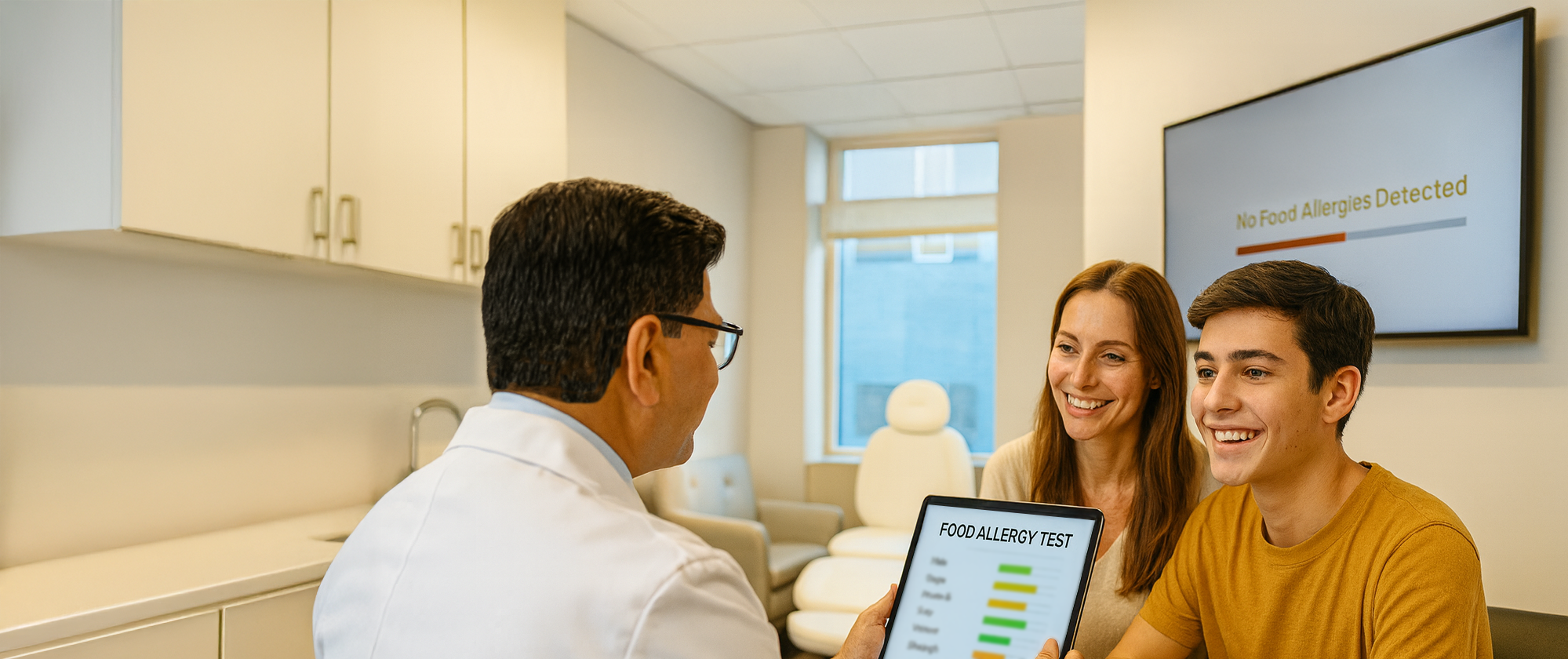
Skin prick and specific IgE blood testing can show sensitization to selected foods, while component testing can examine responses to individual allergen proteins. None of those results should be read in isolation. Dr. Shah compares the numbers with the patient’s reaction pattern, foods eaten without symptoms, and reason for testing before drawing a conclusion.
Learn about food allergy testing
Basophil Activation Testing in Selected Cases
BAT measures how basophils respond when exposed to a selected allergen in the laboratory. Dr. Shah may use it when the history and conventional test results do not align or when added functional information could affect the next decision. Testing is available through NYFA’s affiliated CLIA-certified laboratory, NYAIRL. BAT supports clinical interpretation, but it does not diagnose an allergy by itself.
Explore Basophil Activation Testing

Medically Supervised Oral Food Challenges
An oral food challenge answers a different question from a skin or blood test. The patient eats measured, increasing portions while a medical team observes for symptoms. It may confirm a diagnosis, show that an allergy has resolved, or clarify whether a food must remain restricted. Because reactions are possible, the procedure must be planned and performed in an appropriately equipped medical setting.
Learn about oral food challengesIndividualized Treatment Planning
Food Allergy Treatment for Queens
Treatment begins only after the diagnosis and goal are clear. One patient may need a safer emergency plan and fewer unnecessary restrictions. Another may want added protection from accidental exposure. Dr. Shah considers the allergen, prior reactions, asthma control, nutrition, age, schedule, and ability to maintain treatment before recommending a path.
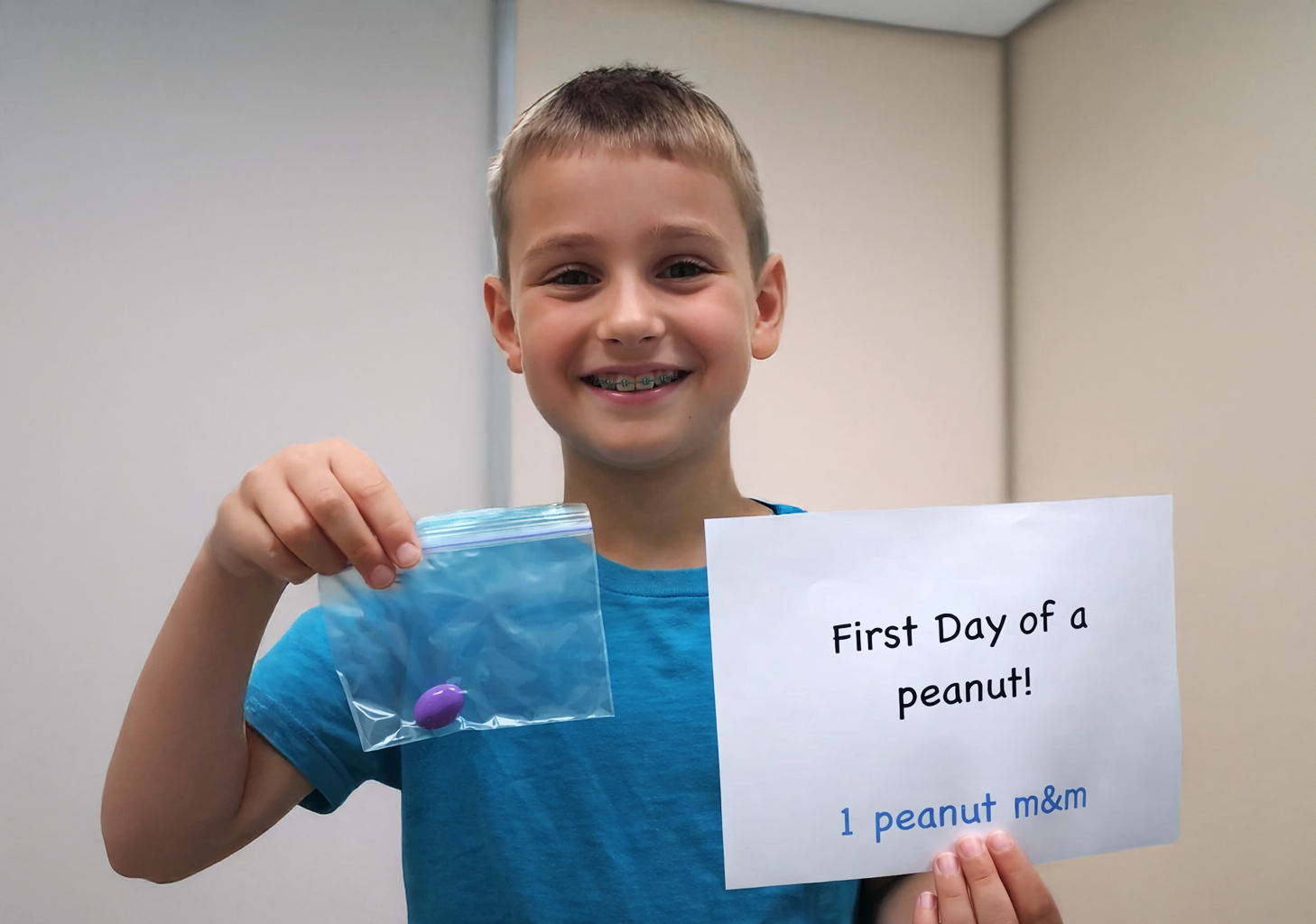
Oral immunotherapy uses carefully measured doses of a confirmed food allergen, increased gradually under medical direction. The goal is to raise the amount that can be tolerated before a reaction, but the target, schedule, safety rules, and maintenance dose are specific to the patient. OIT is not the same as freely eating the allergen.
Learn about oral immunotherapy
Sublingual immunotherapy places a small, clinician-directed amount of allergen under the tongue. For selected patients, Dr. Shah may use SLIT on its own or as one stage of a broader plan. Its dosing, monitoring, expected benefit, and role in treatment differ from OIT.
Learn about sublingual immunotherapyFood Allergy Tolerance Enhancement Program
Managing Multiple Food Allergies
Multiple positive tests do not automatically mean every food belongs in treatment. Dr. Shah first identifies which allergies are clinically supported, which foods carry the greatest practical or nutritional impact, and what the patient can manage consistently. Selected patients may address more than one food in a treatment cycle, with the sequence adjusted as new information emerges.
FATE™ Program
FATE™, or Food Allergy Tolerance Enhancement, is Dr. Shah’s five-phase approach to evaluation and desensitization. Testing, treatment, and eating goals are individualized rather than a fixed sequence for every patient.
- History and initial assessment
- IgE testing and BAT when appropriate
- Supervised oral food challenges when appropriate
- SLIT or OIT for selected patients
- Bite protection or broader eating goals, with ongoing guidance
Food allergy desensitization can cause reactions and is not appropriate for every patient. It is not a cure and does not replace allergen avoidance, prescribed epinephrine, or an emergency action plan. Treatment requires physician supervision and adherence to dosing and monitoring instructions.
Care Across Life Stages
Food Allergy Care for Children, Teens and Adults
A useful food allergy plan has to work at home, in school, while commuting, at restaurants, and during family events. The decisions also change with age. Dr. Shah adjusts evaluation, emergency planning, and treatment discussions as responsibility moves from caregiver to child and eventually to an independent teen or adult.

Infants and Children
For younger patients, the visit may focus on a first reaction, foods not yet introduced, eczema, growth, nutrition, school forms, or an older diagnosis that needs review. Parents leave with a clearer distinction between confirmed allergies, unanswered questions, and foods that may not need to remain restricted.

Teens and Young Adults
Teens and young adults increasingly make their own decisions about labels, shared meals, sports, work, travel, and carrying medication. Care emphasizes practical risk judgment, consistent emergency readiness, and whether a treatment plan can be followed across a changing weekly routine.

Adults
Adults can develop new food-allergy questions or carry childhood restrictions that were never revisited. Dr. Shah evaluates adult-onset symptoms, unclear past testing, and interest in oral food challenges, OIT, SLIT, or a coordinated multi-food plan.
Board-Certified Allergist
Why Queens Families Seek Care With Dr. Atul Shah
Food allergy care often unfolds across several decisions, not one test or one appointment. Dr. Atul Shah brings more than 20 years of experience to that full sequence, from determining whether an allergy is truly present to planning a challenge, desensitization, or long-term maintenance. Queens patients work directly with him through his Manhattan practice.
Years of dedicated food allergy experience
Patient success stories across every age group
Food allergens evaluated and treated by NYFA
History Before Testing
Dr. Shah first defines the reaction pattern and the question that needs an answer, then selects tests that can meaningfully change the plan.
Advanced Diagnostic Options
Care may incorporate component testing, BAT in selected cases, and medically supervised oral food challenges when conventional results leave uncertainty.
Experience With Multiple Allergens
NYFA evaluates peanut, tree nut, milk, egg, wheat, soy, sesame, legumes, seeds, and less common foods, including patients managing several allergies.
A Plan Patients Can Maintain
Recommendations account for nutrition, school, work, commuting, travel, independence, and the practical demands of dosing and follow-up.
Patient Experience
What Families Value About Care With Dr. Shah
Public reviews repeatedly highlight the same practical qualities Queens patients often look for: understandable explanations, direct physician involvement, careful supervision, responsive support, and a plan tailored to the individual.
Practice-wide Google reviews, summarized for length and clarity. Follow each source link for the original wording. Individual experiences vary.
Read More Patient StoriesDr. Shah was incredibly thorough and kind. Our family appreciated the careful, medically supervised approach and the support throughout the immunotherapy process. We felt guided, listened to, and well prepared at each visit.
Your First Consultation
Prepare for Your Manhattan Visit
The first visit organizes the history before a test or treatment is chosen. It also helps the care team plan later testing, a food challenge, or treatment appointments at the Manhattan practice.

Build a Reaction Timeline
Record what was eaten, ingredients or preparation when known, how much, how quickly symptoms began, what treatment was used, and whether the food had been tolerated before.
Separate Tolerated and Avoided Foods
Bring a practical list of foods eaten regularly, foods avoided after a clear reaction, and foods removed only because of testing or concern. This helps prevent unnecessary broad testing.
Define the Next Decision
The next step may be focused skin or blood testing, BAT in a selected case, a supervised food challenge, updated emergency planning, or a treatment discussion. The recommendation depends on what information will change care.
Plan for Follow-Up, Too
If you are considering desensitization, ask about the likely office visits and home responsibilities before starting. A workable plan needs to account for your journey from Queens as well as work, school, and the prescribed dosing routine.
Queens Food Allergy FAQs
Questions Queens Patients Ask About Food Allergy Care
Questions about choosing care, testing costs, and food allergy treatment for Queens patients. Appointments are at our Manhattan office on East 60th Street.
What is the best doctor to see for food allergies?
Choose a board-certified allergist and immunologist with experience evaluating and treating food allergies. A useful consultation should explain what your symptoms and results mean, including whether further testing is needed. Queens patients can see Dr. Atul Shah at NYFA's Manhattan office for care ranging from diagnostic clarification to individualized treatment planning.
How much do food allergy tests cost?
Costs vary with the test type, number of foods appropriately evaluated, laboratory billing, and insurance benefits. A consultation, blood test, and supervised food challenge are different services. Ask about the proposed tests and their charges before proceeding. A larger panel is not necessarily a better evaluation, and a general online price is not a quote for NYFA.
Do food sensitivity tests really work?
Commercial IgG food sensitivity panels are not recommended for diagnosing food allergy or intolerance. IgG responses can reflect exposure to foods rather than a problem with them. If a panel has left you avoiding many foods, bring the report and your symptom history to Dr. Shah. He can assess which concerns need validated allergy testing or a different evaluation.
Will insurance pay for food allergy testing?
Some plans cover medically indicated testing, but your specific benefits must be checked. Ask your insurer about the proposed test, the office and laboratory's network status, deductibles, and authorization requirements. Confirm billing details with NYFA before the appointment. Coverage for testing should not be assumed to include desensitization treatment or every laboratory service.
Where do Queens patients see Dr. Shah, and how do I arrange a visit?
Queens patients are seen at NYFA's Manhattan office, 110 East 60th Street, Suite 708, New York, NY 10022. NYFA does not have a Queens office. Complete the new patient form or call (212) 301-7636 to discuss the appointment needed. The office is near the Lexington Avenue and 59th Street station complex.
Should I send or bring previous allergy test results?
Bring available reports and ask the team whether records should be provided before the visit. Include your medication list, reaction details, and foods currently eaten without symptoms. Dr. Shah reviews previous findings in context, rather than assuming every positive result requires more testing or treatment. Original reports are more useful than a remembered list of numbers.
How much time should I set aside for a food challenge?
Plan for about 3 to 4 hours at NYFA for a typical oral food challenge, plus the journey from your part of Queens. Observation may take longer if the clinical team needs it. Confirm the scheduled procedure and preparation before arranging time off. A first consultation does not automatically include a same-day challenge.
How often would I need to travel to Manhattan during treatment?
There is no single visit schedule for every patient. If desensitization is recommended, Dr. Shah explains the proposed office visits, home dosing, and monitoring responsibilities. Ask about follow-up before starting so the plan accounts for your commute, work, or school. The schedule depends on the treatment, response, and safety considerations.
How is a food allergy different from a food intolerance?
Food allergy involves an immune response and can cause serious reactions. An intolerance, such as difficulty digesting lactose, has a different mechanism and often causes digestive symptoms. Symptoms alone can overlap, so a test sold for 'sensitivity' does not settle the question. Dr. Shah evaluates suspected allergy and can advise when another type of assessment is needed.
Can adults develop a new food allergy?
Yes. A food eaten safely for years can become an allergen in adulthood. However, reflux, intolerance, and other conditions can also cause symptoms after meals. Record what happened, when it started, and whether it has recurred. An evaluation can help distinguish these possibilities without assuming every new symptom requires permanent avoidance.
Can oral immunotherapy treat multiple food allergies?
Selected patients may receive treatment for more than one confirmed food allergy within a coordinated plan. Dr. Shah considers the foods involved, nutritional priorities, reaction risk, and ability to follow dosing instructions. Foods may be treated together or in stages. OIT is not a cure and does not replace prescribed epinephrine or an emergency action plan.
Individualized Food Allergy Care
Food Allergies We Treat. Care Built Around You.
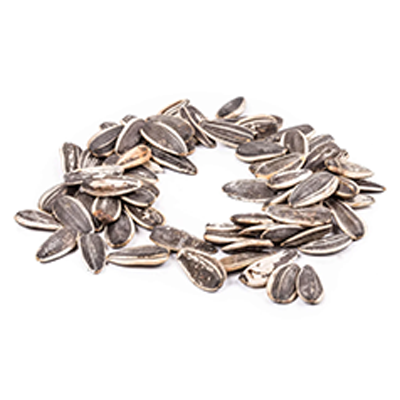
A suspected allergy in a multi-ingredient meal requires more than a broad screening panel. NYFA evaluates common and less common foods, including tree nuts, sesame, legumes, and seeds, with testing and treatment selected around the patient’s actual exposure history.













Manhattan Appointment Location
Visit NYFA’s Manhattan Office
Queens appointments take place at 110 East 60th Street, Suite 708, in Manhattan. The office is near Lexington Avenue and 59th Street. Choose a route from your own neighborhood using current MTA service information, and allow time for the appointment as well as the journey.
NY Food Allergy & Wellness
Manhattan, New York
110 East 60th Street, Suite 708New York, NY 10022
Food Allergy Consultations for Queens
Bring the history. Leave with a clearer next step.
Request a consultation with Dr. Atul Shah and tell the care team which foods are involved, what happened after exposure, which foods are eaten safely, and what testing has already been completed. The team will coordinate the appropriate visit at the Manhattan practice.
Clinical noteThis page provides general information and does not replace individual medical advice. Food allergy diagnosis and treatment require an in-person evaluation. References: AAAAI, ACAAI, and the NIAID food allergy guidelines.