Ready to Speak With Our Care Team?

Get in Touch
Have questions about testing or treatment? Send us a message and our care team will respond shortly.


Park Sixty Medical
110 East 60th Street, Suite 708
New York, NY 10022

New York City Location
110 East 60th St., Suite 708
New York, NY, 10022
Hours of Operation
Tuesday: 9am-5pm
Wednesday: 9am-5pm
Thursday: 9am-7pm
Friday: 9am-5pm
Saturday: 9am-2pm
Sunday/Monday: Closed

Dr. Shah and the team at NY Food Allergy & Wellness were exceptional. After completing oral food challenges, I learned that shellfish was not the trigger I had assumed for years. The team was kind, thorough, and clear throughout the process.
Read More
Dr. Shah provided thoughtful, closely supervised care during our daughter's peanut oral immunotherapy. We felt supported at every step, and our family gained more confidence managing day to day food decisions. The staff was kind, responsive, and consistently helpful.
Read More
Dr. Shah has a strong understanding of food allergies and explains test results and options clearly. He is practical, evidence focused, and patient in how he communicates. The team is attentive and compassionate.
Read More
Dr. Shah was incredibly thorough and kind. Our family appreciated the careful, medically supervised approach and the support throughout the immunotherapy process. We felt guided, listened to, and well prepared at each visit.
Read More
After years of avoiding peanuts, I feel far more confident and less anxious around meals. The team was organized, supportive, and clear about each step of the process. Dr. Shah and staff went out of their way to make everything manageable.
Read More
Our daughter completed milk oral immunotherapy up dosing and, with guidance from the care team, was able to include dairy in her routine as directed. We felt more prepared for social events, and the staff was calm, patient, and thorough.
Read More
Dr. Shah made a meaningful difference for our family. Over time, we saw progress in tolerance goals under a structured plan, with ongoing follow up and support. He is intelligent, kind, and deeply dedicated.
Read More
Dr. Shah and his team provided personalized, detail oriented care. Their guidance helped me feel more prepared and less limited in everyday situations. The experience felt thoughtful and tailored, not rushed.
Read More
Our family shared that care helped them build a safer, more confident plan around foods that previously caused severe reactions. The team was responsive, supportive, and consistent throughout. It felt like a major quality of life improvement.
Read More
I am grateful for the care and support our family received. The team helped us navigate peanut and tree nut concerns with a structured plan and clear safety guidance. Thoughtful, compassionate, expert care at every visit.
Read More
Dr. Shah and his team were supportive and knowledgeable throughout my care. The guidance and follow up made the process feel clear and manageable, and I felt more confident around foods I previously avoided. The team provided steady support throughout the journey.
Read More

Frequently Asked Questions
What is the best treatment for a food allergy?
Food allergy care is individualized, but a typical plan includes strict allergen avoidance, label education, and an emergency action plan (including epinephrine for severe reactions). For some patients, an allergist may also discuss desensitization options such as Oral Immunotherapy (OIT). Source: AAAAI
At NY Food Allergy & Wellness, Dr. Atul Shah evaluates your history, test results, and goals to determine which options may be appropriate, including whether OIT or SLIT is a fit. The goal is to improve day-to-day confidence and reduce risk from accidental exposures. Results and timelines vary by patient.
How long does it take to build tolerance to a food allergen?
There is no “fast” timeline. When used, immunotherapy approaches (such as OIT) can take months or longer, and they are not considered a cure. These therapies also do not replace emergency treatment for anaphylaxis. Source: Mayo Clinic
If you are exploring desensitization, NY Food Allergy & Wellness can walk you through realistic milestones, safety considerations, and what day-to-day life can look like during treatment. The focus is progress that is monitored, structured, and appropriate for your situation.
Is anyone working on long-term solutions for food allergies?
Yes. Researchers are actively studying multiple approaches, including medications and immune-based therapies, to reduce reactions and improve protection against accidental exposures. Source: NIAID (NIH)
While research continues to evolve, NY Food Allergy & Wellness focuses on evidence-based evaluation and treatment options available today, and we stay informed as new therapies and guidance emerge.
What over-the-counter medicine can help mild food allergy symptoms?
For mild symptoms limited to one body area, an H1 antihistamine may be recommended by your clinician. Antihistamines do not treat anaphylaxis and are not a substitute for epinephrine when severe symptoms are present. Source: FARE
NY Food Allergy & Wellness can help you understand what “mild vs severe” looks like, when to use epinephrine, and how to build a clear action plan. If you have had concerning reactions, do not self-manage, get evaluated.
-
![Needle Free Allergy Skin Tests]()
Food Allergy Testing
Curious about Food Allergy Testing? Learn more about why NYFA is the gold standard for innovative Food Allergy Testing.
-
![Young girl eating peanut butter]()
FATE™ Program
Dr. Shah’s innovative FATE™ Program is the premier choice for a better quality of life. Learn about each phase here.
-
![My Food Allergy Journey by Dr. Atul Shah]()
Food Allergy Blog
Stay in the loop with informative and insightful breakdowns on various topics surrounding the Food Allergy Community.
-
![Food Allergy Testimonials]()
Testimonials
Dr. Shah has over 15,000 success stories. Read through some of their real, life-changing experiences with NYFA here.
-
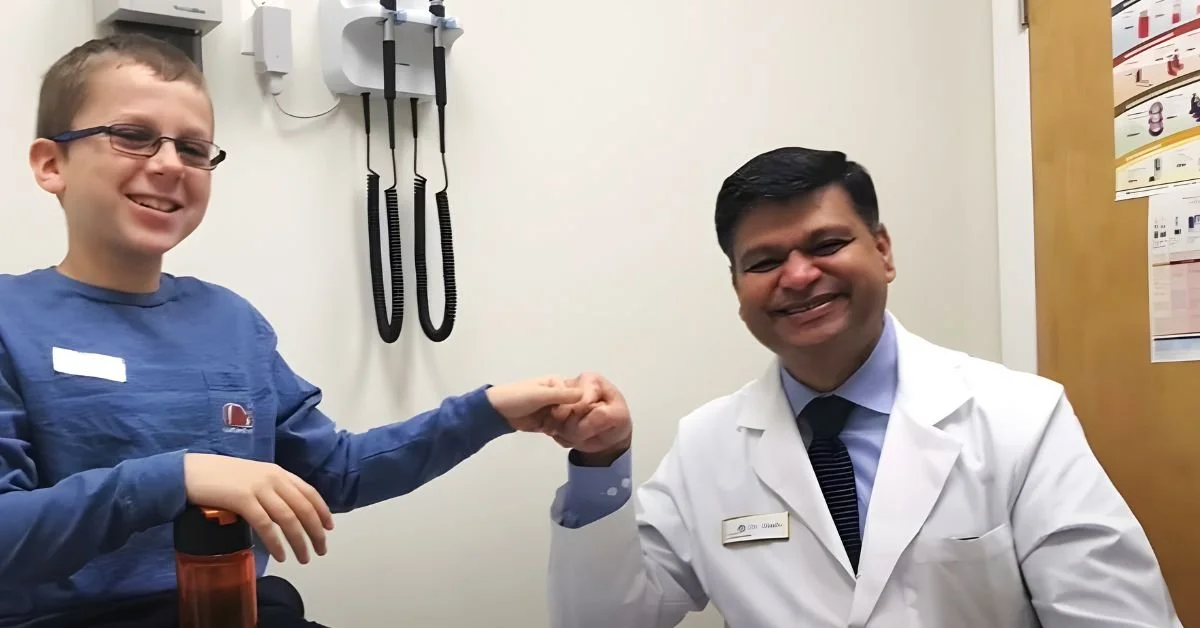
![Dr. Atul Shah with a Patient]()
Food Allergy Success Videos
Our Media Library has over 80+ Video Success Stories, Interviews & Treatment Breakdowns with Dr. Atul Shah and more!
-
![A promotional image for food allergy FAQ's with five photos of people, including children, adults, and several smiling and holding or interacting with food items and candy, set against a dark background.]()
Food Allergy FAQ'S
Do you have questions about insurance? The initial consultation? What food allergies we treat? Click below for clarity
-
![Sublingual Immunotherapy Kit from NYFA]()
Food Allergy Treatments
We have the most comprehensive Food Allergy Treatments available. Including BAT testing that is ONLY available at NYFA.
-
![Food Allergy Resources]()
Detailed Breakdowns
We have several pages dedicated to Food Allergy Awareness & Education on services like: BAT, OFC, SLIT, OIT and more!
-
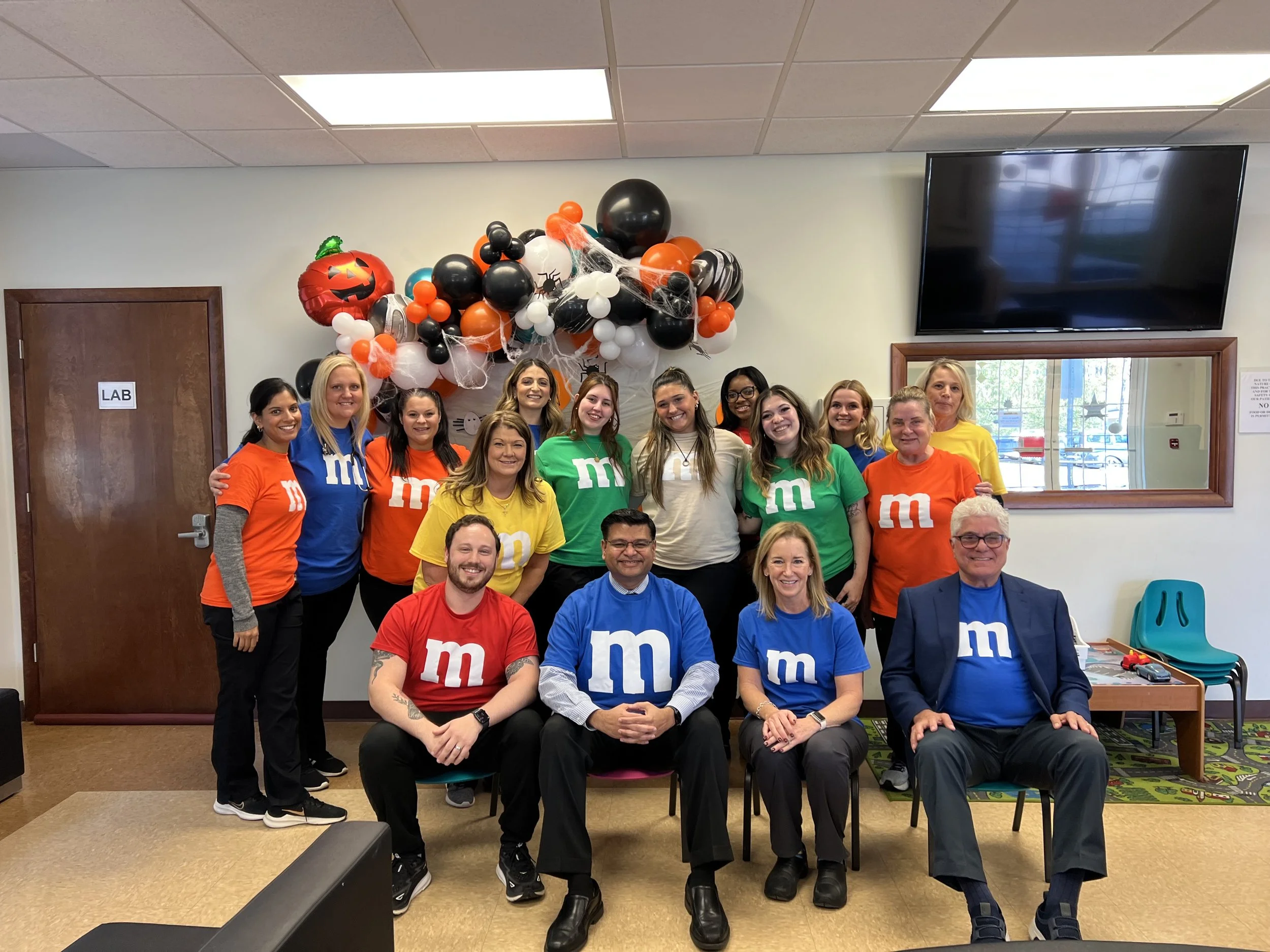
![Ny Food Allergy & Wellness Team]()
Food Allergy Team
We have the Top Food Allergist in NYC, Dr. Atul Shah and a team of Experts focused on providing the ultimate patient experience.
-
![Ny Food Allergy & Wellness Office in NYC]()
State of the Art Facility
Our brand new office in NYC is centrally located on the Upper East Side. Close to Brooklyn, Queens, The Bronx & Staten Island.
-
![Dr. Atul Shah Webinar Promo]()
Food Allergy Webinar
Stream the FATE™ Program Webinar with Dr. Shah. Breaking down the phases and process for an in depth understanding.