


Food Allergist Serving Great Neck
Food Allergy Care That Grows With You
From Uncertainty to a Plan Built Around the Patient.
Great Neck patients can arrange food allergy care with Dr. Atul Shah through his Manhattan or Centereach practices. There is no Great Neck office. The evaluation connects reaction history, current diet, and previous testing with your goals. The team can confirm the appropriate location for a consultation, selected testing, a food challenge, or treatment planning.
Focused Evaluation
When Great Neck Families Seek a Food Allergist
Families arrive with different questions. A child may have developed hives after a new food, a teenager may be living around several old test results, or an adult may want to revisit a diagnosis made years earlier.
Dr. Shah starts by reconstructing the clinical story. The aim is to distinguish a likely food allergy from sensitization, intolerance, or another explanation, then choose the most useful next step without ordering a broad checklist of tests.
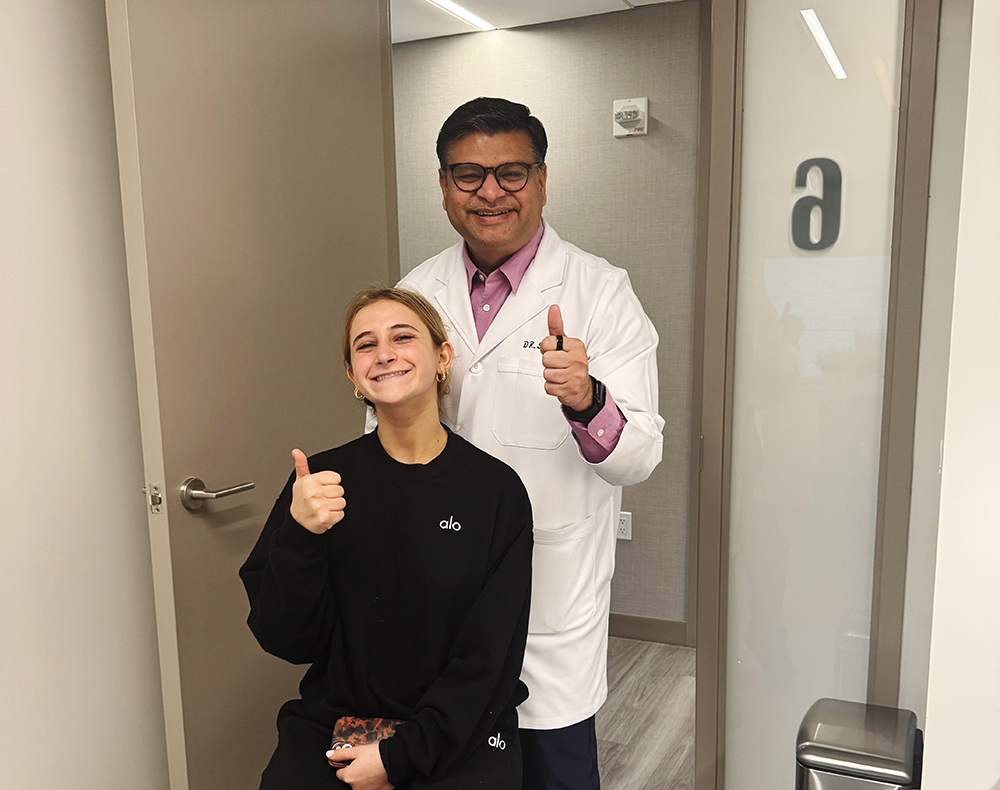
Symptoms After Eating Need Context
Hives, swelling, vomiting, coughing, wheezing, throat symptoms, or dizziness after eating can raise concern for food allergy. The timing, amount eaten, complete ingredient list, other activity, treatment used, and previous tolerance help determine how the episode should be evaluated.
A Test Result Does Not Match Real Life
Skin and blood tests can identify sensitization, but a positive result alone does not establish that eating the food causes symptoms. Dr. Shah compares the original report with reaction history and current diet before deciding whether another test or a supervised challenge would be informative.
Another Condition May Explain the Symptoms
Food intolerance, pollen-food allergy syndrome, reflux, eczema, and other gastrointestinal or skin conditions can sometimes resemble part of a food-allergic reaction. Pattern, timing, reproducibility, and appropriate testing help the allergist separate these possibilities.
You Need to Reassess an Older Diagnosis
Some food allergies resolve, while others are more likely to persist. The answer depends on the food, age, reaction history, testing trend, and current health. When appropriate, a medically supervised oral food challenge can provide information that testing alone cannot.
Avoidance Alone Is Not Meeting Your Goals
Avoidance, label reading, prescribed epinephrine, and an emergency plan remain central to care. Some patients also want to discuss treatment aimed at increasing an exposure threshold. Candidacy depends on confirmed allergy, medical history, daily routine, risk tolerance, and the ability to follow a supervised dosing and monitoring plan.
Put FATE™ In Your Own Hands. Food Allergy Tolerance Enhancement.
Advanced Diagnostics
Food allergy testing is most useful when it is tied to a decision. Dr. Shah may be trying to determine whether a suspected allergy is likely, whether an older diagnosis should be reconsidered, or whether a supervised food challenge can be planned. The patient’s reaction history and current diet guide the selection and interpretation of each test.
Food Allergy Testing for Great Neck


Targeted Skin, IgE and Component Testing
Skin prick and specific IgE blood tests can help evaluate sensitization to selected foods. Component testing may refine the picture by examining responses to particular proteins. Dr. Shah reads those findings alongside what the patient has eaten, avoided, and experienced rather than treating a laboratory number as the diagnosis.
Learn about food allergy testing
Basophil Activation Testing in Selected Cases
The Basophil Activation Test measures a functional cell response to a selected allergen in the laboratory. In a carefully chosen case, it may add context when skin or antibody results and the clinical history point in different directions. Access is provided through NYFA’s affiliated CLIA-certified laboratory, NYAIRL. BAT is not a stand-alone diagnosis and does not replace a food challenge when one is clinically needed.
Explore Basophil Activation Testing

Medically Supervised Oral Food Challenges
During an oral food challenge, measured portions are given in stages while the patient is observed by a medical team. The procedure may clarify whether a food still needs to be avoided or help resolve uncertainty left by history and testing. Because a reaction can occur, challenges belong in a medical setting with preparation to recognize and treat symptoms.
Learn about oral food challengesIndividualized Treatment Planning
Food Allergy Treatment for Great Neck
There is no single treatment plan for every food allergy. Dr. Shah considers the confirmed foods, reaction pattern, asthma or other medical conditions, nutrition, age, routine, and the patient’s goals before discussing options. Some plans focus on diagnostic clarification and preparedness. Others may include a monitored form of desensitization.
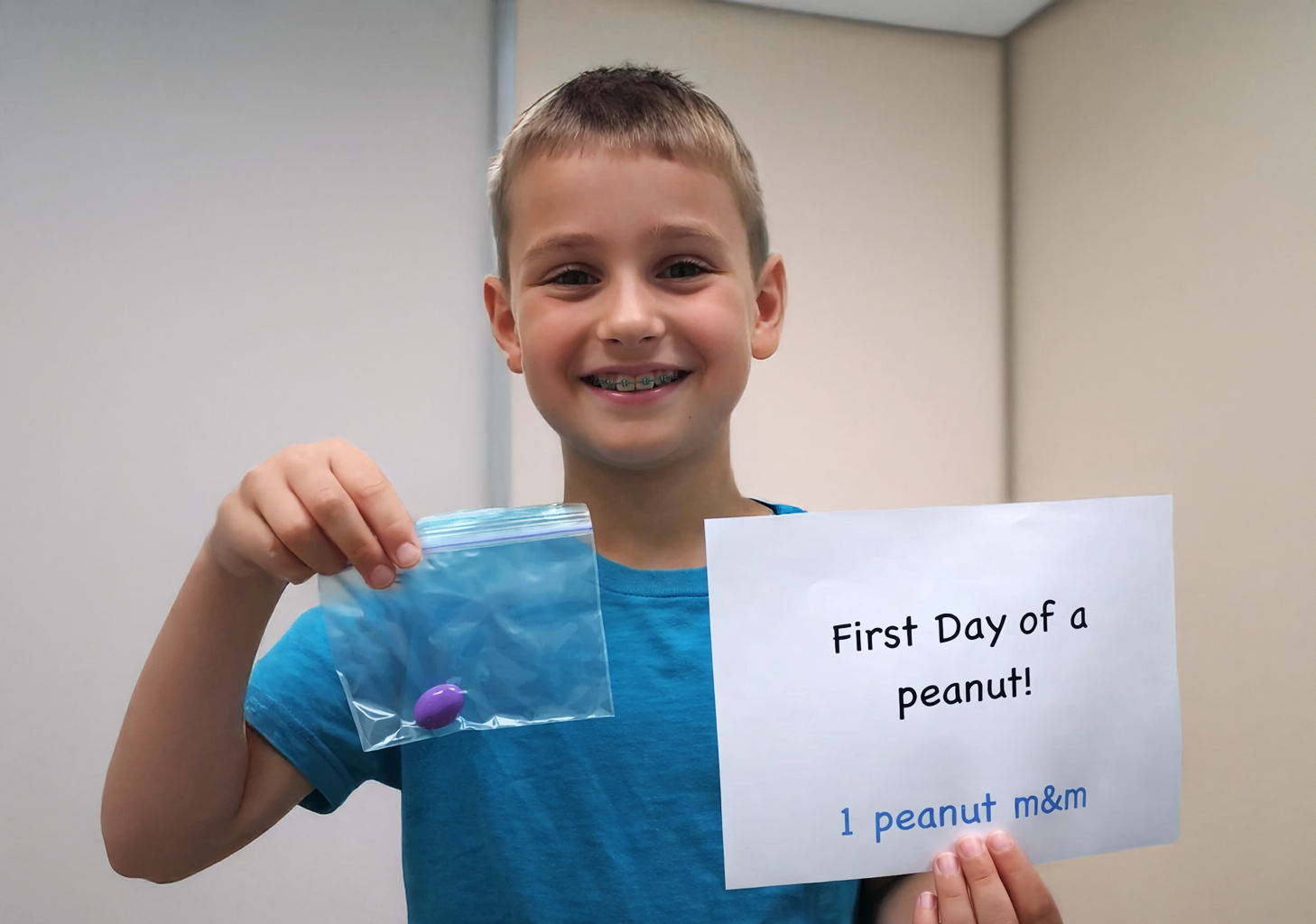
Oral immunotherapy introduces a confirmed allergen in measured doses that are adjusted over time under physician direction. It is intended to increase the amount that can be eaten before a reaction occurs, not to guarantee unrestricted eating. Candidacy and the maintenance target are individualized.
Learn about oral immunotherapy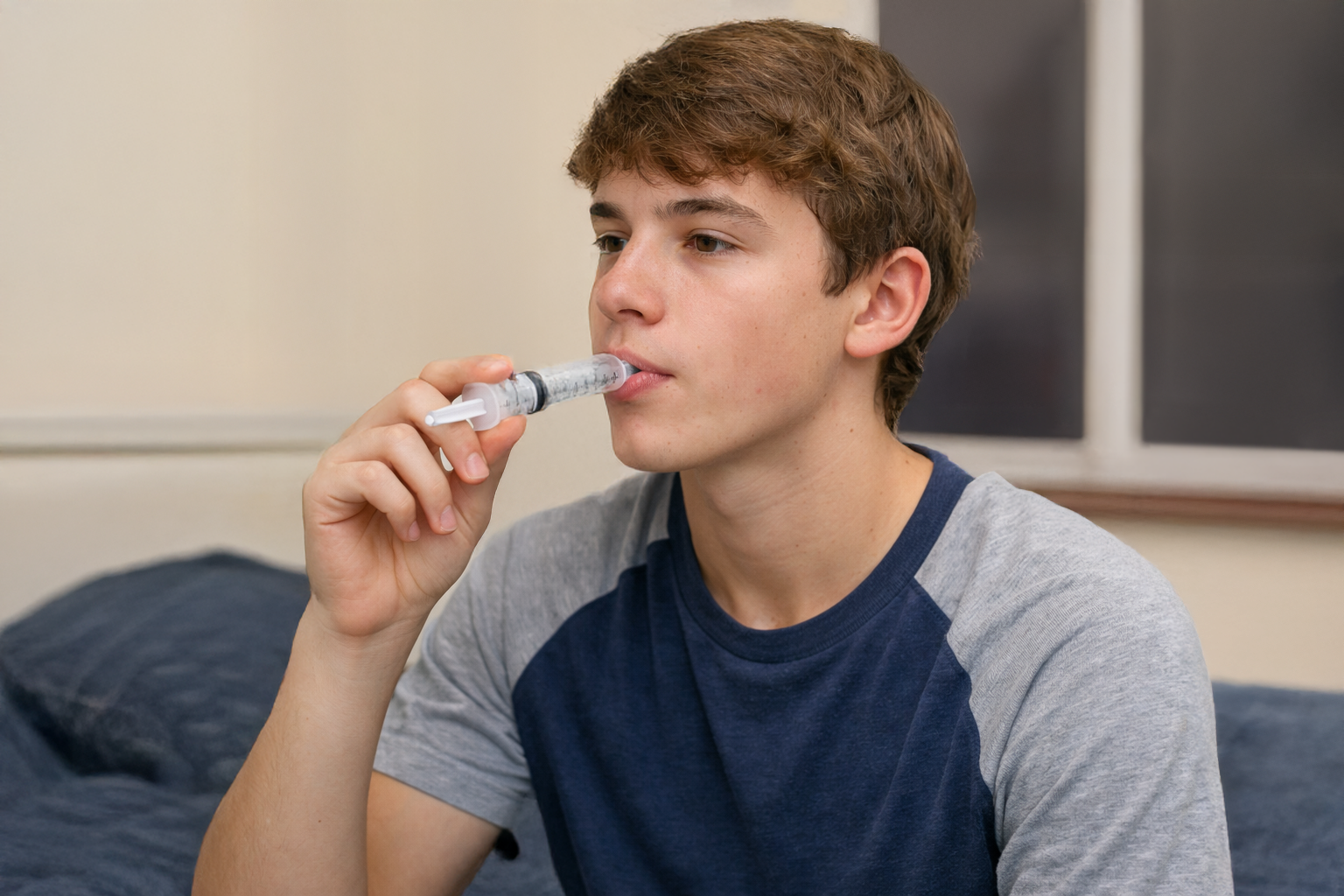
Food-allergy SLIT uses small, clinician-directed amounts of allergen under the tongue. Dr. Shah may consider it for selected patients as a stand-alone step or as part of a broader sequence. The dose, monitoring, and intended endpoint depend on the individual case.
Learn about sublingual immunotherapyFood Allergy Tolerance Enhancement Program
Managing Multiple Food Allergies
With several food allergies, the first decision is often sequencing. Dr. Shah reviews nutritional importance, reaction history, present exposures, testing, and family priorities before deciding which food should be addressed first. Selected patients may work on more than one food within a treatment cycle, with the plan adjusted as clinical information changes.
FATE™ Program
FATE™, or Food Allergy Tolerance Enhancement, is Dr. Shah’s five-phase approach to evaluation and desensitization. Testing, treatment, and eating goals are individualized rather than a fixed sequence for every patient.
- History and initial assessment
- IgE testing and BAT when appropriate
- Supervised oral food challenges when appropriate
- SLIT or OIT for selected patients
- Bite protection or broader eating goals, with ongoing guidance
Food allergy desensitization can cause reactions and is not appropriate for every patient. It is not a cure and does not replace allergen avoidance, prescribed epinephrine, or an emergency action plan. Treatment requires physician supervision and adherence to dosing and monitoring instructions.
Care Across Life Stages
Food Allergy Care for Children, Teens and Adults
Food allergy care changes as responsibility shifts from parent to child and as an adult’s health, work, travel, or family life changes. Dr. Shah adapts the evaluation, safety planning, and treatment discussion to the patient’s stage of life rather than applying a pediatric plan to every age group.

Infants and Children
For infants and children, the visit may address a first reaction, safe food introduction, growth and nutrition, school preparation, or whether an allergy should be reassessed. Parents receive a plan that identifies what is confirmed, what remains uncertain, and what to do next.

Teens and Young Adults
Teens and young adults must manage labels, dining out, medication, sports, college, travel, and social pressure with increasing independence. Care focuses on practical risk decisions, accurate diagnosis, emergency readiness, and treatment options that fit a changing routine.

Adults
An adult may be investigating a new reaction or questioning restrictions carried forward from childhood. Dr. Shah also evaluates adults considering an oral food challenge, OIT, SLIT, or a coordinated plan for more than one allergy.
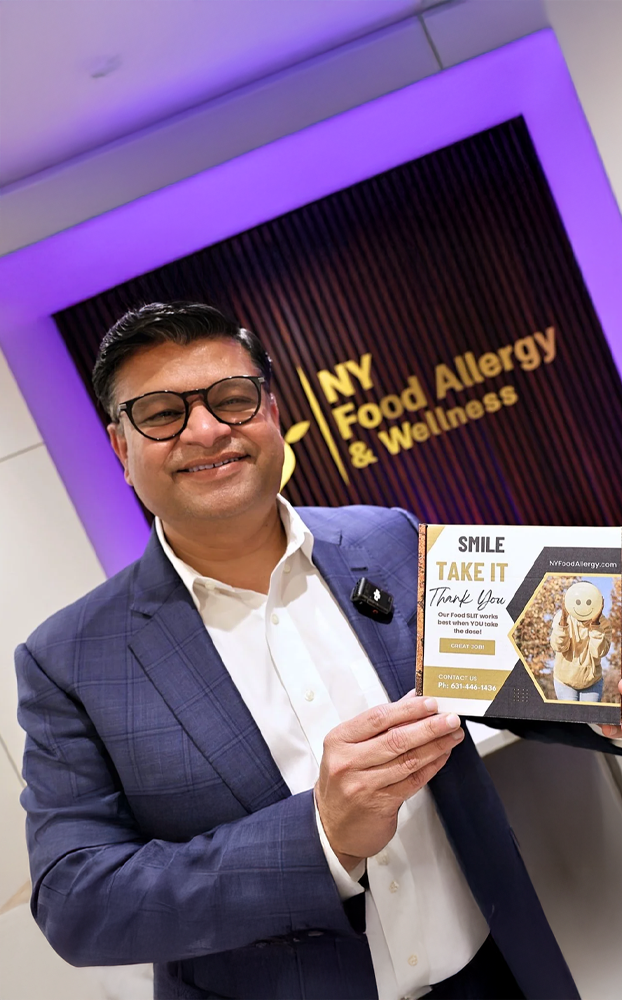
Board-Certified Allergist
Why Great Neck Families Seek Care With Dr. Atul Shah
Choosing a food allergist means choosing who will connect the history, testing, and treatment decisions over time. Dr. Atul Shah is board-certified in Allergy and Immunology, has more than 20 years of food allergy experience, and consults directly with patients from initial evaluation through longer-term planning. Great Neck families can see him through his Manhattan or Centereach practice.
Years of dedicated food allergy experience
Patient success stories across every age group
Food allergens evaluated and treated by NYFA
Direct Physician Involvement
Dr. Shah personally connects the reaction history and diagnostic findings to the decisions that follow, including food challenges, treatment, and maintenance.
One Connected Clinical Framework
The Food Allergy Tolerance Enhancement (FATE™) Program keeps diagnostic clarification and treatment planning within one individualized sequence.
Single-Food and Multi-Food Experience
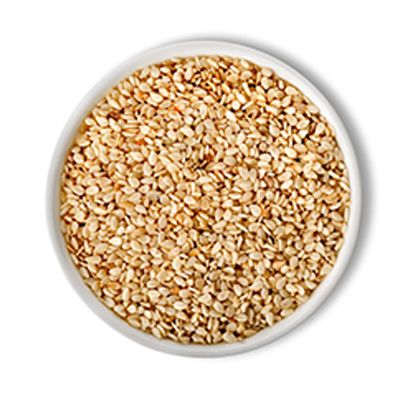
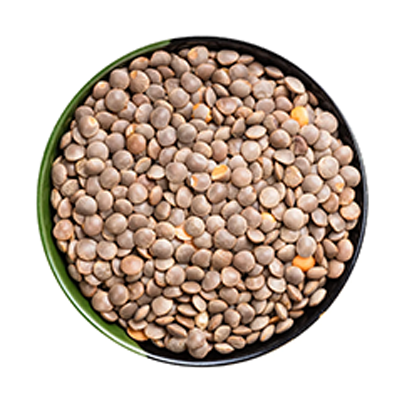
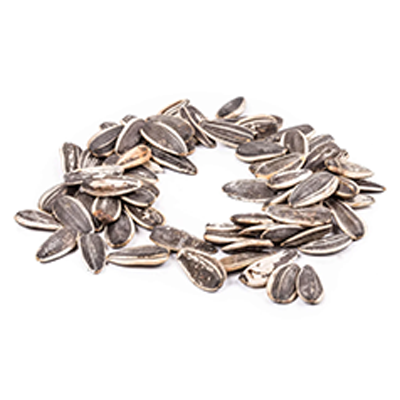
NYFA evaluates and treats peanut, tree nut, milk, egg, wheat, soy, sesame, legume, seed, and other food allergies.
Planning for Real Life
Recommendations account for nutrition, school or work, travel, independence, and the patient’s ability to maintain the plan safely.
Patient Experience
What Families Value About Care With Dr. Shah
Across public reviews, patients and families describe clear explanations, physician involvement, careful supervision, responsive support, and treatment that feels structured around the individual.
Practice-wide Google reviews, summarized for length and clarity. Follow each source link for the original wording. Individual experiences vary.
Read More Patient StoriesOur daughter completed milk oral immunotherapy up dosing and, with guidance from the care team, was able to include dairy in her routine as directed. We felt more prepared for social events, and the staff was calm, patient, and thorough.
Your First Consultation
Choose the Office, Then Plan the Visit
The first appointment is designed to turn scattered reactions, reports, and restrictions into a defined clinical question. It also establishes which practice location is appropriate for the next visit.

Reconstruct What Happened
Bring the food, timing, amount, symptoms, treatment used, prior tolerance, and any circumstances surrounding the reaction into one clear history.
Map the Current Diet
Identify foods eaten regularly, foods avoided because of a confirmed allergy, and foods removed only because of an old or unexplained test result.
Decide What Comes Next
Dr. Shah may recommend focused testing, a supervised food challenge, continued avoidance, revised emergency planning, or a treatment discussion. The team then coordinates the Manhattan or Centereach setting needed for that step.
Confirm Where to Go
Tell the team whether you expect to travel by train or car and which service you need. Confirm the location before booking your journey, then ask where any recommended follow-up visits would take place.
Great Neck Food Allergy FAQs
Food Allergy Questions Great Neck Families Ask
Questions about food allergy evaluation, referrals, and choosing a practice location from Great Neck. Confirm the office and appointment type with the care team before traveling.
What is the best doctor to see for food allergies?
A board-certified allergist and immunologist with food allergy experience is the appropriate specialist. Look for clear explanations of diagnosis, treatment choices, and follow-up. Great Neck patients can consult Dr. Atul Shah through his Manhattan or Centereach practice. The care team should confirm the location appropriate for the appointment you need.
Will insurance pay for food allergy testing?
Coverage varies by insurance plan, test, medical indication, and the office or laboratory providing the service. Confirm your benefits for the specific practice location before booking. Ask about network status, deductibles, referral requirements, and prior authorization. Coverage at one office or for one service should not be assumed to apply to every part of care.
What can be mistaken for a food allergy?
Lactose intolerance, reflux, celiac disease, and other digestive conditions may cause food-related symptoms that need a different evaluation. Pollen-food allergy syndrome can explain reactions to certain raw fruits or vegetables and is itself an allergy. Dr. Shah considers the full symptom pattern and diet before deciding which testing is relevant. Broad IgG sensitivity panels do not establish these diagnoses.
Do you need a referral to see a food allergist?
Referral requirements depend on your insurance plan and the practice's scheduling requirements. Check with your insurer and the office you plan to visit before booking. Ask whether a primary-care referral or prior authorization is needed for the consultation or proposed tests. Having a referral does not by itself guarantee coverage.
Does Dr. Shah have a Great Neck office, or should I choose Manhattan or Centereach?
There is no Great Neck office. Appointments may be arranged at NYFA, 110 East 60th Street, Suite 708, Manhattan, or Center for Asthma & Allergy, 23 South Howell Avenue, Suites O & P, Centereach. Confirm which location can provide your consultation, testing, or treatment, and where follow-up would occur before choosing based only on travel distance.
What records will help Dr. Shah prepare for my consultation?
Bring previous allergy reports, relevant medical records, medication details, and a list of foods currently eaten or avoided. Include descriptions of reactions and any emergency treatment. If you are seeking another opinion, explain the decision you want help with. Ask the team whether it would be useful to provide records before traveling from Great Neck.
What should I bring for school or camp allergy documentation?
Bring the current forms, existing emergency plan, and deadline from your child's school or camp. Great Neck Public Schools families should use their district's current materials; other schools may have different forms. The clinical review establishes which allergies and instructions need documentation. Ask about the process when scheduling rather than assuming forms can be completed without evaluation.
How should I plan travel around a food challenge or treatment visit?
Confirm the procedure, office, and expected length first. NYFA describes typical oral food challenges as about 3 to 4 hours and initial OIT visits as about 4 to 6 hours; your own appointment may differ. For Manhattan, include the onward journey after the train. For Centereach, account for driving time and ask where subsequent visits would take place.
Can a child outgrow a food allergy?
Some food allergies resolve over time, while others are more likely to persist. The answer depends on the food and the individual child's history. Dr. Shah may recommend reassessment, selected testing, or a supervised challenge when appropriate. Improvement in a test result alone does not mean it is safe to try an avoided food at home.
Are there eight or nine major food allergens?
The United States recognizes nine major food allergens: milk, egg, fish, crustacean shellfish, tree nuts, peanuts, wheat, soybeans, and sesame. Sesame was added to the federal major-allergen labeling requirements in 2023. Older references to the 'big eight' leave it out. People can also be allergic to foods outside this group, so evaluation follows the actual history.
What does oral immunotherapy involve beyond the office visits?
OIT usually includes prescribed home dosing, safety precautions, and ongoing communication with the treating team, in addition to supervised visits. Patients need to understand instructions around illness, activity, symptoms, and missed doses. The plan and maintenance requirements are individualized. Treatment is intended to increase tolerance to exposure, not eliminate the need for emergency preparedness.
Individualized Food Allergy Care
Food Allergies We Treat. Care Built Around You.
One food can change every meal. Several can reshape an entire routine. NYFA evaluates and treats a wide range of food allergies with testing and treatment plans selected around each patient’s history, risk, age, and goals.











Appointments With Dr. Shah
Choose a Practice Location
Compare the addresses and hours below, then confirm which office can provide the appointment you need. For Manhattan, consider the LIRR journey plus the trip to East 60th Street. For Centereach, plan the drive to South Howell Avenue and ask where follow-up visits would take place.
Select an OfficeAddress, hours and map update below
NY Food Allergy & Wellness
Manhattan, New York
110 East 60th Street, Suite 708New York, NY 10022
Center for Asthma & Allergy
Centereach, New York
23 South Howell Avenue, Suites O & PCentereach, NY 11720
Great Neck Food Allergy Consultations
Ready to turn food allergy questions into a defined plan?
Request a consultation with Dr. Atul Shah and tell the care team which foods are involved, what happened during earlier reactions, what is currently eaten or avoided, and which tests have already been completed. The first goal is to identify the clinical question that needs an answer.
Clinical noteThis page provides general information and does not replace individual medical advice. Food allergy diagnosis and treatment require an in-person evaluation. References: AAAAI, ACAAI, and the NIAID food allergy guidelines.