


Food Allergist Serving New Jersey
Food Allergy Care Worth a Closer Look
Your Questions. Dr. Shah’s Personal Attention.
Looking for a food allergist who will take the time to understand your story? NY Food Allergy & Wellness welcomes New Jersey infants, children, teens, and adults for food allergy testing, second opinions, and personalized treatment with Dr. Atul Shah. Appointments take place at our Upper East Side Manhattan office, 110 East 60th Street, Suite 708. Start with your questions. Together, we can consider what comes next.
Choosing Food Allergy Care
Find the Care That Fits Your Needs
Choosing a food allergist involves more than finding an address. You may need help understanding a recent reaction, making sense of conflicting test results, or deciding whether treatment fits your life. A useful consultation connects those questions with a clear medical assessment.
For New Jersey families considering care in Manhattan, the practical questions matter too: who will see you, what the first visit involves, and what follow-up could require. You can explore those details before committing to a treatment program.
A Second Opinion on Your Diagnosis
An uncertain diagnosis or conflicting test results can leave you unsure what to do next. Dr. Shah offers a food allergy second opinion based on your reaction history, original reports, and foods you currently tolerate. Bring your questions and existing care instructions so the evaluation builds on what is already known.
Know Who Is Guiding Your Care
NYFA offers one-on-one care with Dr. Atul Shah. Ask how the evaluation will inform the recommendation and how progress will be reviewed. Understanding who makes the clinical decisions can help you choose care with greater confidence.
Look Beyond a Positive Test
A food listed on an allergy report may need further interpretation. Dr. Shah considers your symptoms, previous reactions, and foods currently eaten without difficulty. Learn more about identifying which food may be causing symptoms before discussing what your own results mean.
Compare the Responsibilities of Treatment
When treatment is appropriate, ask about supervised appointments, the home routine, and what happens during illness or a missed dose. A plan needs to work between visits as well as during them. These details matter when arranging care across state lines.
Make Room for Your Own Goals
Your priority might be understanding a child’s diagnosis, preparing for college, or revisiting an allergy that affects work and travel. Explain what matters most to you. The recommendation should reflect your medical needs and the decisions you face in daily life.
Food Allergy Tolerance Enhancement. When Remission Stalls. The FATE Program Moves You Forward.
Evaluation Before Commitment
You do not need to arrive knowing which test to request. Dr. Shah reviews the question being investigated and considers which information could help answer it. Bring earlier reports, even if they were completed elsewhere, so the assessment can build on your history.
Food Allergy Testing With a Clear Purpose


Put Test Results in Context
Skin testing and food-specific IgE blood testing help assess sensitization. Results need to be interpreted alongside the reaction history. Component testing may add detail about particular allergen proteins. Our guide to allergy skin tests versus blood tests explains the differences to discuss with Dr. Shah.
Learn about food allergy testing
Basophil Activation Testing (BAT)
Basophil Activation Testing examines how immune cells respond to an allergen in a laboratory sample. NYFA offers access to BAT through its affiliated laboratory. Dr. Shah may consider it when additional information could help resolve a clinical question; it is not required for every evaluation.
Explore Basophil Activation Testing

Understand the Role of a Food Challenge
A medically supervised oral food challenge can help determine whether a food causes an allergic reaction. It involves measured doses and observation, with precautions in place for possible symptoms. Ask about suitability, preparation, and appointment length before planning a challenge visit from New Jersey.
Learn about oral food challengesTreatment at the Manhattan Practice
Food Allergy Treatment Built Around Your Life
Once the diagnosis is understood, Dr. Shah considers your allergy history, health, and goals when discussing food allergy desensitization. For patients traveling from New Jersey, the visit schedule and home routine matter too. Explore food allergy treatment options, then discuss which approach may fit your needs at the Manhattan practice.
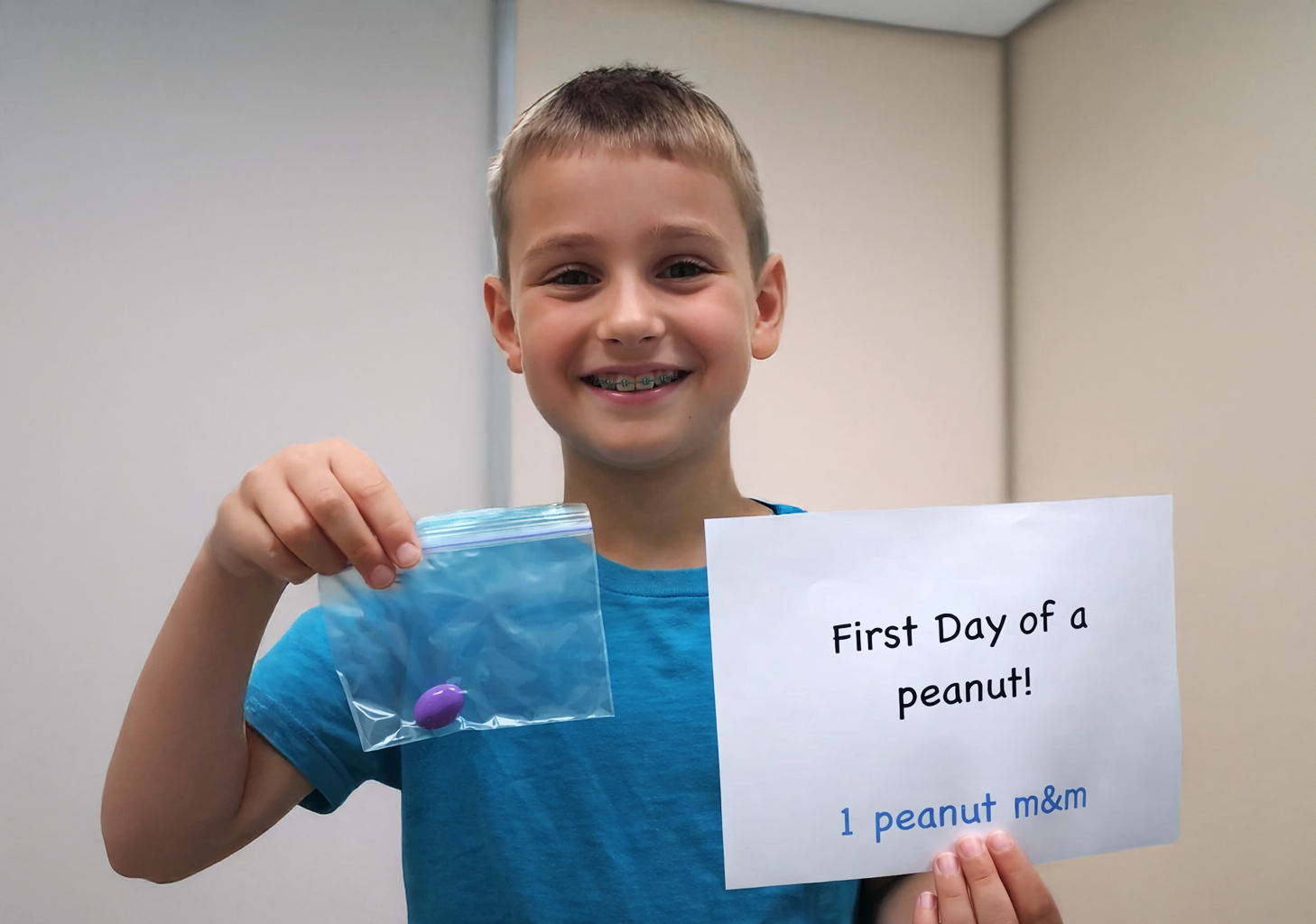
Oral immunotherapy (OIT) uses prescribed amounts of an allergenic food with physician-directed increases. The goal is to raise the amount tolerated by an appropriate patient. Supervised visits, home dosing, maintenance, and reaction precautions are part of the commitment. Ask how each stage would fit your family’s schedule.
Learn about oral immunotherapy
Sublingual immunotherapy uses prescribed allergen doses under the tongue. Dr. Shah can discuss whether SLIT has a role in your care and explain its goals, limits, and follow-up needs. It should be considered on clinical grounds, with a clear understanding of the daily routine.
Learn about sublingual immunotherapyFood Allergy Tolerance Enhancement Program
Treatment for Multiple Food Allergies
Treatment for multiple food allergies starts with understanding each food separately. Peanut, tree nut, milk, or egg allergy may raise different questions about reactions, testing, and daily meals. Dr. Shah reviews those priorities before discussing an individualized plan and the appointment commitment for your family.
FATE™ Program
NYFA’s Food Allergy Tolerance Enhancement program brings evaluation and individualized desensitization planning together. Dr. Shah uses the FATE™ framework to consider your diagnosis, goals, and progress when guiding care. The consultation is a chance to understand what the program could involve for you.
- History and initial assessment
- IgE testing and BAT when appropriate
- Supervised oral food challenges when appropriate
- SLIT or OIT for selected patients
- Bite protection or broader eating goals, with ongoing guidance
Desensitization can cause allergic reactions and is not suitable for every patient. It is not a guaranteed cure. Patients must continue prescribed epinephrine, avoidance, emergency planning, and all dosing and monitoring instructions provided by their physician.
Food Allergy Care for Children, Teens and Adults
Care Across Life Stages
From a first food reaction to a diagnosis carried into adulthood, the questions change. Your care should reflect the stage of life you are in.

Infants and Children
Parents may be weighing food introduction, daycare meals, or an allergy discovered after a reaction. Food allergy testing for infants and children begins with the child’s history and foods currently tolerated. Dr. Shah discusses which tests, if any, could help. Bring current school or childcare forms for clinical review.

Teens and Young Adults
Growing independence brings new decisions about eating with friends, college housing, and managing prescribed medication. A teenager or young adult should be part of the conversation about treatment, travel to appointments, and the routines they will be responsible for themselves.

Adults
A new reaction or years of food restrictions can prompt an adult to seek care. Dr. Shah evaluates adults and discusses food allergy treatment for adults, including whether desensitization may be appropriate. Your health, goals, work schedule, and ability to attend Manhattan appointments guide the discussion.

Board-Certified Allergist
Personal Attention From Dr. Atul Shah
Dr. Atul Shah is a board-certified allergist and immunologist with more than 20 years of food allergy experience. At NYFA, his work includes diagnostic evaluation, supervised food challenges, and individualized treatment planning. New Jersey patients see him at the Upper East Side Manhattan practice.
Years of dedicated food allergy experience
Patient success stories across every age group
Food allergens evaluated and treated by NYFA
A Focused Food Allergy Practice
Food allergies are the focus of care at NYFA. Bring questions about an uncertain diagnosis, multiple allergens, or the practical differences between treatment options. Your visit should help you understand the choices relevant to your situation.
An Explanation You Can Use
A recommendation is more useful when you understand its purpose. Ask what a test might clarify, how a result could change the plan, and what alternatives are available. That conversation helps you participate in decisions about your care.
A Thoughtful Second Opinion
If you have already seen another allergist, bring the records and current instructions. Dr. Shah can review your diagnosis and treatment questions as part of a second opinion. Continue your existing prescribed precautions until a clinician advises a change.
A Practical Plan for Follow-Up
Before beginning a course of treatment, discuss its expected appointment pattern and home requirements. Understanding the commitment helps you weigh a Manhattan visit alongside work, school, and the journey from New Jersey.
Patient Experience
What Patients Value About Working With NYFA
Patients describe what it was like to ask questions, work through treatment, and follow a plan with NYFA. These practice-wide perspectives reflect individual experiences, and results vary.
Practice-wide Google reviews, summarized for length and clarity. Follow each source link for the original wording. Individual experiences vary.
Read More Patient StoriesDr. Shah was incredibly thorough and kind. Our family appreciated the careful, medically supervised approach and the support throughout the immunotherapy process. We felt guided, listened to, and well prepared at each visit.
Your First Consultation
Plan Your First Visit
A consultation is the starting point for understanding your options. Before traveling, confirm what is scheduled and what preparation is needed. Testing or a procedure may require a different appointment window from an initial discussion with Dr. Shah.

Prepare Your Records and Questions
Gather prior test reports, medication details, reaction notes, and your current avoidance plan. Include foods you regularly eat without symptoms. Ask the office how to share records and whether any preparation is needed for the appointment you have booked.
Speak With Our Front Desk
For questions about insurance, appointment fees, or billing, contact our front desk before scheduling your Manhattan visit. Call (212) 301-7636 to discuss your questions and what information to have ready.
Allow Time for the Whole Visit
Plan for the journey to East 60th Street as well as the appointment itself. A food challenge or treatment starting day can require an extended visit. Confirm the expected duration, whether someone should accompany you, and how flexible your return arrangements should be.
Leave With the Next Step Clear
Before heading home, clarify any instructions, pending results, and when another appointment may be needed. If treatment is being considered, ask for the expected follow-up pattern before making a decision. Do not assume every type of visit can be completed remotely.
New Jersey Food Allergy FAQs
Questions Before Your Visit
Answers for New Jersey patients considering evaluation and treatment with Dr. Shah at NYFA’s Manhattan office.
How do I choose a food allergist when I live in New Jersey?
Look for a board-certified allergist with experience in the question you need answered. Ask who will evaluate you, which tests may be useful, what treatment options are available, and what follow-up involves. NYFA welcomes New Jersey patients for care with Dr. Atul Shah in Manhattan. Consider the complete visit and travel commitment when comparing your options.
Can I get a second opinion on my food allergy diagnosis?
Yes. New Jersey patients can see Dr. Shah at the Manhattan office for a food allergy second opinion. Bring the original test reports, reaction history, and current care instructions. He reviews these alongside foods you tolerate and the questions you want answered. Further testing depends on the clinical question. Continue your prescribed precautions until a clinician advises a change.
Who can answer my insurance questions before a Manhattan visit?
Please contact our front desk at (212) 301-7636 for insurance questions before scheduling your Manhattan appointment. Let the team know you are traveling from New Jersey and have your insurance information available.
What is the difference between food allergy testing and treatment?
Testing helps investigate whether a food is causing an allergic reaction and clarify the diagnosis. Treatment addresses an established allergy and its management. Desensitization may be an option for selected patients, with its own benefits, risks, and responsibilities. You can book an evaluation to understand your diagnosis without arriving with a treatment program already chosen.
Does NYFA have a food allergy office in New Jersey?
NYFA’s appointments for the New Jersey communities on this page take place at the Manhattan office: 110 East 60th Street, Suite 708, New York, NY 10022. NYFA does not have an office in New Jersey. Call (212) 301-7636 or request a consultation to discuss the visit you need.
Does Dr. Shah see both children and adults from New Jersey?
Yes. NYFA welcomes infants, children, teens, and adults. Parents may be seeking clarity after a child’s first reaction, while adults may have new symptoms or questions about an older diagnosis. The evaluation and any treatment recommendations depend on the individual history, health, and goals. The appointments described on this page are in Manhattan.
How often would I need to travel to Manhattan for food allergy treatment?
The frequency depends on the treatment, stage of care, and prescribed plan. Ask about the initial visit, supervised dose increases, follow-up, and maintenance before starting. Home dosing does not remove the need for clinical monitoring. The office can discuss the expected appointment pattern for your situation so you can plan around work, school, and travel from New Jersey.
How should I plan a food challenge appointment from New Jersey?
Confirm the full appointment window and preparation instructions before arranging transportation. A challenge includes measured food doses and observation and can take several hours. Allow extra flexibility if symptoms require further monitoring. Ask what to bring, whether someone should accompany you, and what instructions apply afterward. Do not stop medication or bring challenge food without guidance from the care team.
Can peanut and tree nut allergies be evaluated separately?
Yes. Peanut and individual tree nuts are distinct foods, and the history for each can differ. Read about the differences between peanut and tree nut allergies. Dr. Shah can assess which allergies are supported and whether more information is needed. Keep your prescribed precautions in place, and do not try a suspected allergen at home.
Can a child with milk or egg allergy be evaluated for baked forms?
Some children with milk or egg allergy may tolerate extensively baked forms, but this must be assessed individually. Dr. Shah can review the reaction history and testing and consider whether a supervised challenge is appropriate. Baking does not make every food safe for an allergic child. Do not introduce baked milk or egg without specific medical guidance.
Can I be evaluated for more than one food allergy at NYFA?
Yes. Bring information about each suspected food, including reactions, test results, foods currently eaten safely, and restrictions affecting your diet. Dr. Shah reviews the questions food by food and discusses priorities. Evaluation or treatment for one allergen does not establish safety for another, and not every suspected allergy requires the same next step.
Individualized Food Allergy Care
Food Allergies We Treat. Care Built Around You.
Explore evaluation and treatment for peanut, tree nut, milk, egg, and other food allergies at NYFA’s Manhattan practice. Each food page explains the condition in more detail. New Jersey patients can bring their reaction history and treatment questions to a consultation with Dr. Shah.













Manhattan Appointment Location
Visit NYFA in Manhattan
Our office is at 110 East 60th Street, Suite 708, near the Lexington Avenue and 59th Street station complex. A trip from New Jersey includes both the Hudson crossing and the onward journey to the Upper East Side. Check current routes and service notices before leaving.
NY Food Allergy & Wellness
Manhattan, New York
110 East 60th Street, Suite 708New York, NY 10022
Food Allergy Consultations for New Jersey Patients
Your Questions Deserve Personal Attention.
Tell us what brought you to this point: a recent reaction, an uncertain test, or a treatment decision. Request a consultation with Dr. Atul Shah to discuss your next step at NYFA’s Manhattan office.
Clinical noteThis page provides general information and does not replace individual medical advice. Food allergy diagnosis and treatment require an in-person evaluation. References: AAAAI, ACAAI, and the NIAID food allergy guidelines.