

Almonds and Nut Allergies: What You Need to Know Today
Food Allergy Education
Almonds pack a nutritional punch but can pose serious risks for those with nut allergies. Discover essential insights and safety tips to navigate this challenge.

Jump to a section
Almonds and Nut Allergies: What You Need to Know Today
Understanding Nut Allergies: An Overview
Nut allergies, particularly those involving tree nuts, are among the most common food allergies affecting individuals worldwide. These allergies occur when the immune system mistakenly identifies proteins in nuts as harmful, triggering a range of allergic reactions. The prevalence of nut allergies has risen significantly over the past few decades, with many researchers pointing to changes in diet, environmental factors, and genetic predispositions as potential contributors.
Tree nuts, a category that includes almonds, walnuts, cashews, pistachios, pecans, macadamia nuts, Brazil nuts, and hazelnuts, are often culprits in allergic reactions. Unlike other food allergies that individuals may outgrow, nut allergies tend to persist throughout life. This lifelong condition requires vigilant management and awareness to prevent inadvertent exposure and ensure safety. The severity of nut allergies can vary greatly from mild to life-threatening anaphylaxis, making it crucial for individuals and caregivers to understand the risks and symptoms. Many patients have only itchy mouth with certain nuts and may not be truly allergic to these nuts, but only sensitized to tree nuts due to underlying tree pollen allergy. It is important to differentiate sensitization from true allergy so that you do not avoid these foods unnecessarily or take the risk of a reaction.
Public education and awareness campaigns have played a critical role in helping people recognize and respond to nut allergies. Schools, workplaces, and public institutions are increasingly implementing policies to create safe environments for those with allergies. Despite these efforts, challenges remain, particularly in navigating the complexities of food labeling and cross-contamination. As we delve deeper into the relationship between almonds and nut allergies, it’s important to start with a clear understanding of what almonds are and their nutritional benefits.

What Are Almonds? Nutritional Benefits and Uses
Almonds are the edible seeds of the Prunus dulcis tree, commonly referred to as the almond tree. Originating from the Middle East, almonds have been cultivated for thousands of years and are now grown extensively in various parts of the world, particularly in California, which is the largest almond producer globally. These versatile nuts are celebrated not only for their delicious taste and culinary applications but also for their impressive nutritional profile.
A serving of almonds, typically one ounce or about 23 nuts, provides a substantial amount of essential nutrients. They are a rich source of healthy fats, particularly monounsaturated fats, which are beneficial for heart health. Almonds are also packed with protein, fiber, vitamins (such as vitamin E), and minerals (including magnesium and calcium). This nutrient-dense composition makes almonds a popular choice for health-conscious individuals seeking to boost their overall nutrition.
In addition to being eaten raw or roasted, almonds are used in a variety of forms, including almond butter, almond milk, and almond flour. These products offer alternatives for those looking to reduce their intake of dairy or gluten. However, for individuals with nut allergies, even trace amounts of almonds in food products can pose significant risks. Understanding the symptoms of nut allergies is essential for identifying and managing allergic reactions effectively.
Common Symptoms of Nut Allergies
Nut allergies can manifest in a wide range of symptoms, which can vary in severity from person to person. Recognizing these symptoms is crucial for timely intervention and treatment. Common symptoms of nut allergies typically appear within minutes to a few hours after exposure to nuts and can affect various systems in the body.
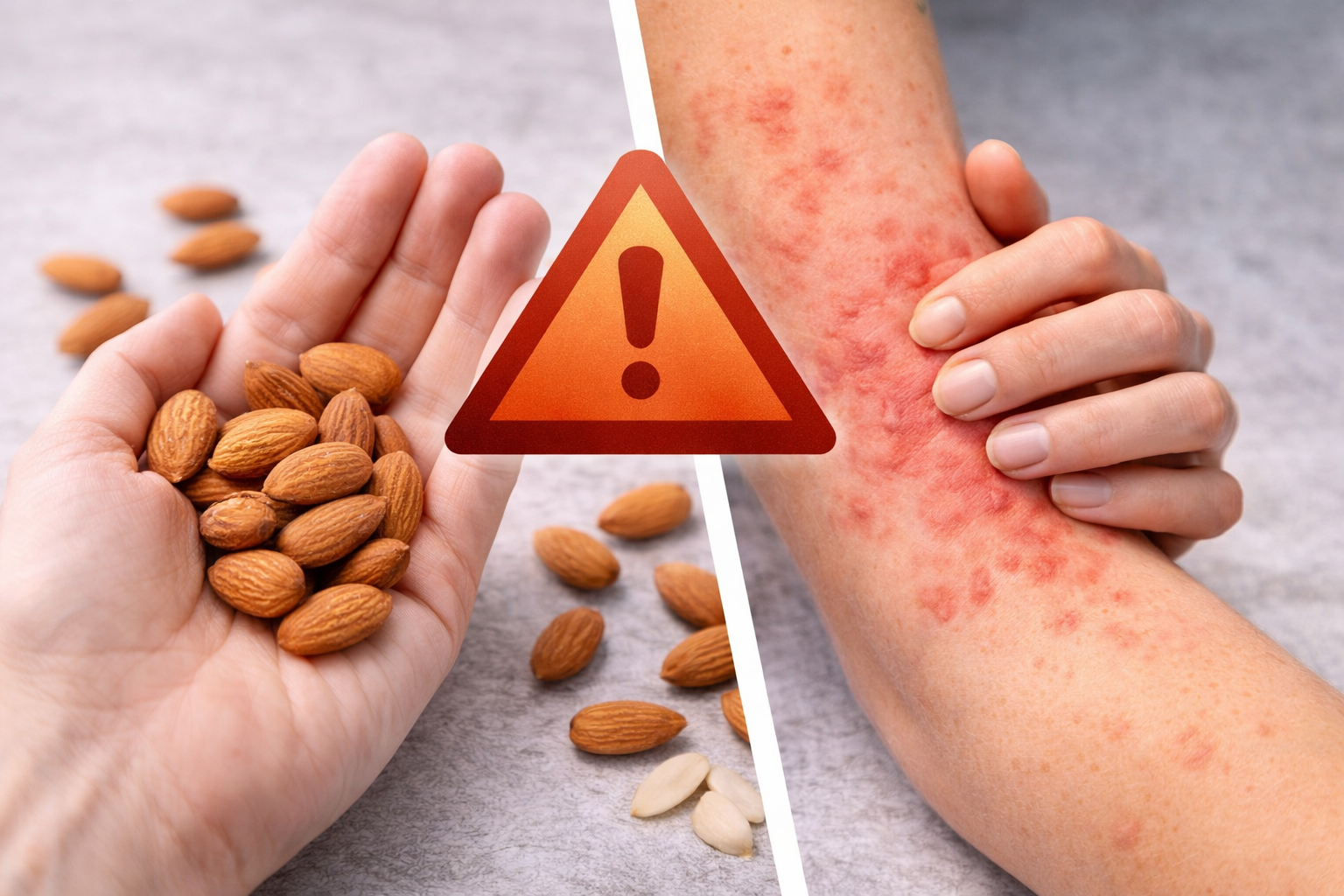
Mild to moderate allergic reactions often include symptoms such as itching or tingling in the mouth, hives or rash on the skin, and gastrointestinal issues like nausea, vomiting, or diarrhea. These symptoms, while uncomfortable, are usually manageable with antihistamines and other over-the-counter medications. However, it's important to monitor the individual closely, as symptoms can escalate.
Severe allergic reactions, known as anaphylaxis, are medical emergencies that require immediate attention. Symptoms of anaphylaxis include difficulty breathing, swelling of the throat and tongue, a rapid drop in blood pressure, and loss of consciousness. Active involvement of two body systems is considered the start of an anaphylaxis reaction and must be taken seriously. Anaphylaxis can be life-threatening if not treated promptly with epinephrine followed by emergency medical care. Given the potential severity of nut allergies, understanding the specific connection between almonds and nut allergies is vital for those at risk.
The Connection Between Almonds and Nut Allergies
Almonds, as a type of tree nut, are commonly associated with other tree nut allergies. However, the allergenic properties of almonds can vary, and not everyone with other tree nut allergies will react to almonds in the same way. The proteins in almonds that trigger allergic reactions are similar to those found in other tree nuts, which is why cross-reactivity can occur. This means that individuals allergic to one type of tree nut may also be allergic to almonds.
Research has shown that certain proteins in almonds, such as amandin, are responsible for allergic reactions. These proteins can elicit an immune response in sensitive individuals, leading to the release of histamines and other chemicals that cause allergy symptoms. It's important to note that the severity of an allergic reaction to almonds can depend on various factors, including the individual's level of sensitivity and the amount of almond protein consumed.
For those with a diagnosed nut allergy, strict avoidance of almonds and almond-containing products is essential. This includes being vigilant about reading food labels, asking about ingredients when dining out, and being aware of potential cross-contamination in food preparation areas. Diagnosing nut allergies accurately is the first step in managing this condition effectively.
Diagnosing Nut Allergies: Tests and Procedures
Diagnosing nut allergies involves a combination of medical history, physical examination, and specific allergy tests. If an individual suspects they have a nut allergy, they should seek evaluation from an allergist or immunologist. These specialists can conduct various tests to determine the presence and severity of a nut allergy. New York Food Allergy & Wellness (NYFA) specializes in identifying true tree-nut allergy vs. false allergy due to pollen-related tree nut symptoms by using IgE component tests and BAT.
One of the most common diagnostic tools is a skin prick test, where small amounts of nut extracts are introduced to the skin, usually on the forearm or back. If the individual is allergic, a raised bump or hive will appear at the test site, indicating a positive reaction. While skin prick tests are quick and relatively painless, they are not foolproof and may sometimes produce false positives or negatives. The skin tests can not differentiate the true tree nut allergy from the pollen-related tree nut sensitization.
Another diagnostic method is a blood test, which measures the level of specific IgE antibodies to nuts in the individual's bloodstream. Elevated levels of these antibodies suggest an allergic response. Our NYFA team goes beyond regular IgE blood tests and uses tree nut component IgE tests and BAT when necessary.
In some cases, an oral food challenge may be conducted under medical supervision, where the individual consumes small amounts of the suspected allergen to observe for reactions. This method is considered the gold standard for diagnosing food allergies but carries a higher risk and must be performed in a controlled environment. Use of BAT at NYFA helps reduce the unnecessary risk associated with oral food challenges.
Managing Nut Allergies: Avoidance Strategies
Once a nut allergy is diagnosed, the primary management strategy is strict avoidance of the allergen. This involves comprehensive measures to prevent accidental exposure and ensure safety in various settings. One of the first steps is educating the individual and their caregivers about reading food labels carefully. In many countries, food manufacturers are required to list common allergens, including nuts, on product labels.
Cross-contamination is a significant concern for individuals with nut allergies. This can occur when nuts come into contact with other foods during processing, cooking, or serving. To minimize this risk, it's important to use separate utensils, cutting boards, and cookware when preparing nut-free meals. Additionally, individuals should be cautious when dining out, as restaurant kitchens may not always be able to guarantee a completely nut-free environment.
Carrying emergency medication, such as epinephrine as a nose spray (Neffy) or as an auto-injector (EpiPen, Auvi-Q), is crucial for those with severe nut allergies. These medications can quickly reverse the symptoms of anaphylaxis and provide critical time to seek emergency medical care. It's also advisable for individuals to wear medical alert bracelets or carry allergy identification cards to inform others of their condition in case of an emergency. For those looking to avoid almonds specifically, there are several alternatives available to maintain a balanced diet.
Alternatives to Almonds for Nut-Free Diets
For individuals with nut allergies, finding safe and nutritious alternatives to almonds is essential. Fortunately, there are several options that can provide similar nutritional benefits without the risk of allergic reactions. Seeds, such as sunflower seeds, pumpkin seeds, and chia seeds, are excellent substitutes. They are rich in healthy fats, protein, fiber, and various vitamins and minerals, making them a valuable addition to a nut-free diet. Please ensure that you are not allergic to any of these foods.
Sunflower seed butter is a popular alternative to almond butter, offering a similar creamy texture and taste. It can be used in sandwiches, smoothies, and baking recipes. Pumpkin seeds, also known as pepitas, can be consumed raw or roasted and make a great snack or salad topping. Chia seeds are versatile and can be added to yogurt, oatmeal, or baked goods to boost nutritional content.
For those looking for a nut-free milk alternative, oat milk, rice milk, and coconut milk are viable options. These plant-based milks can be used in the same way as almond milk, whether in coffee, cereal, or cooking. When choosing nut-free products, it's important to check labels for potential cross-contamination and opt for brands that are certified nut-free. Being mindful of the role of almonds in food products can help individuals with nut allergies make safer choices.

The Role of Almonds in Food Products: What to Watch For
Almonds are a common ingredient in many food products, ranging from snacks and desserts to savory dishes and beverages. For individuals with nut allergies, this widespread use can pose significant challenges. It's essential to be vigilant about reading ingredient labels and understanding the various forms in which almonds can appear in food products.
Almonds may be listed under different names, including almond flour, almond paste, almond meal, almond oil, and almond extract. These ingredients are often found in baked goods, granola bars, cereals, and even certain sauces and dressings. Additionally, almond milk is a popular dairy alternative that is used in a variety of products, from coffee creamers to ice cream. Being aware of these different forms can help individuals avoid accidental exposure.
Cross-contamination is another critical issue, particularly in facilities that process multiple types of nuts or nut-containing products. Even if a product does not list almonds as an ingredient, there may be a risk of contamination during manufacturing. Many food labels include advisory statements such as "may contain nuts" or "processed in a facility that also processes nuts." These warnings should be taken seriously to prevent allergic reactions. Staying informed about current research and developments in nut allergy treatments can offer hope and new strategies for managing this condition.
Current Research and Developments in Nut Allergy Treatments
Advancements in research and medical treatments for nut allergies are continually evolving, offering hope for better management and potential cures. One promising area of research is oral immunotherapy (OIT), which involves gradually introducing small amounts of the allergen to the individual's diet under medical supervision. The goal is to desensitize the immune system and increase tolerance to the allergen over time. At New York Food Allergy and Wellness (NYFA), treatment of almond allergy and other tree nut allergy includes single- or multi-food Sublingual Immunotherapy (SLIT) and Oral Immunotherapy (OIT) with the goal of free-eating for most patients. We achieve these objectives based on patients’ goals of safety and freedom and can be achieved with or without biologics.
Another innovative approach is the development of biologic therapies, such as monoclonal antibodies, which target specific components of the immune response involved in allergic reactions. These treatments aim to reduce the severity of allergic reactions and improve the quality of life for individuals with nut allergies. The biologic therapies can be helpful, but patients still need to avoid these foods and are still far from being able to eat these foods freely. Our approach is to use a hybrid, when necessary. It is not a necessity for most patients.
Genetic research is also providing valuable insights into the underlying mechanisms of nut allergies. By understanding the genetic factors that contribute to allergic reactions, scientists hope to develop targeted therapies and preventive strategies. Additionally, advancements in food science are leading to the creation of hypoallergenic nut products, which have reduced levels of allergenic proteins. These developments hold the potential to expand dietary options for individuals with nut allergies while minimizing the risk of reactions.
Conclusion: Staying Informed About Nut Allergies
Navigating the challenges of nut allergies, particularly those involving almonds, requires a comprehensive understanding of the condition and proactive management strategies. From recognizing the symptoms and obtaining an accurate diagnosis to implementing avoidance measures and exploring safe alternatives, individuals with nut allergies must remain vigilant to ensure their safety and well-being.
Staying informed about the role of almonds in food products and the potential risks of cross-contamination is crucial for preventing accidental exposure. By reading labels carefully, asking questions when dining out, and carrying emergency medication, individuals can significantly reduce the risk of allergic reactions. Education and awareness are key components in creating safer environments at home, school, and in public spaces.
Ongoing research and developments in nut allergy treatments offer hope for improved management and potential breakthroughs. Our team at New York Food Allergy & Wellness (NYFA) has successfully treated many patients with almond allergy and other tree nut allergy. They have reached safety and free-eating status with the help of our cutting-edge diagnostic methods and personalized management plan using single- and multi-food SLIT and OIT. By staying updated on the latest advancements and collaborating with healthcare professionals, individuals with nut allergies can lead healthy and fulfilling lives. Ultimately, knowledge is the most powerful tool in navigating the complexities of nut allergies and ensuring a safer, more informed approach to dietary choices and health management.
The power of desensitization therapy with NYFA
For over two decades, Dr. Atul Shah has helped patients pursue desensitization strategies through a structured approach. NYFA’s FATE™ Program is designed to support tolerance goals while prioritizing safety, monitoring, and personalized adjustments.
How the FATE™ Program works
- Personalized assessment based on history, severity, and goals.
- Customized pathway with step-based progress under medical guidance.
- Ongoing monitoring and adjustments to support safety and progress.
- Real-life coaching for dining out, school, travel, and cross-contact awareness.
Results vary by patient. The goal is improved tolerance and confidence, not guaranteed outcomes.
The role of NYFA
NYFA focuses on clarity, not assumptions. Many patients arrive with “food allergy” labels based on testing alone. Our approach connects symptom history with the right tools to better understand true risk.
Once risk is clarified, NYFA helps guide next steps that fit your life, whether that means a refined avoidance plan, emergency preparedness, supervised challenges when appropriate, or a structured desensitization pathway.
NYFA next steps in Manhattan
Visit NYFA’s Manhattan Office
NYFA is located on the Upper East Side at 110 East 60th St., Suite 708, New York, NY 10022. Serving all of Manhattan, the NYC metro area, New Jersey, Connecticut, and patients nationwide, as well as international visitors.
FAQs
Almonds are considered a tree nut and are commonly included in nut allergy discussions and labeling. If you have a nut allergy, your allergist can help clarify whether almonds are a trigger for you and what level of avoidance is appropriate.
Symptoms can include itching or tingling in the mouth, hives, rash, swelling, stomach symptoms, coughing, wheezing, or shortness of breath. Severe reactions can include anaphylaxis, which requires immediate emergency care.
Yes. Some people react to specific tree nuts and tolerate others, while others have cross-reactivity across multiple nuts. Testing and symptom history together help clarify true risk.
If anaphylaxis is suspected, administer epinephrine immediately if available and call emergency services right away. Follow up with emergency evaluation even if symptoms improve.
Read labels carefully, watch for advisory statements, avoid shared utensils and prep surfaces, and ask detailed questions when dining out. Dedicated nut-free brands and facilities can also reduce risk.
About Dr. Atul Shah
- Founder of NYFA
- Creator of the FATE™ Program
- 20+ Years of Experience
- 15,000+ Success Stories
- America’s Top Physicians’ Award
- The Patients’ Choice Award
- Most Compassionate Physicians’ Award

Sources
ok
