Essential Guide to Testing for Tree Nut Allergy Symptoms
Food Allergy Education
Tree nut allergies can be serious and unpredictable. Learn common symptoms, how testing works, and how NYFA supports clear next steps for safety, confidence, and daily life.

Jump to a section
Tree Nut Allergy Explained: Symptoms, Testing, and Next Steps
Tree nut allergy: quick clarity
- Cause: immune reaction to proteins in one or more tree nuts
- Timing: often minutes to 2 hours, sometimes longer
- Where symptoms show: skin, breathing, gut, whole body
- Risk: can be severe in some individuals and may require epinephrine
- Not the same as: peanut allergy (peanuts are legumes)
- Not always: an “all nuts” allergy (depends on the person)
- Not diagnosed by: a positive test alone without the symptom story
- Not predictable: severity can vary by exposure and context
If you have throat tightness, trouble breathing, fainting, or widespread hives after a nut exposure, treat it as urgent and seek emergency care.

Understanding tree nut allergy
A tree nut allergy is a type of food allergy in which the immune system reacts to proteins found in one or more tree nuts. When a person with a tree nut allergy is exposed, their immune system may treat those proteins as harmful and trigger an allergic reaction. Reactions can occur after eating the nut, tasting a food containing it, or sometimes from cross-contact depending on the individual’s sensitivity.
Tree nut allergies can cause mild symptoms in some people and severe reactions in others. Symptoms can involve the skin, stomach, breathing, and cardiovascular system. In some cases, tree nut exposure can trigger anaphylaxis, a potentially life-threatening reaction that requires immediate medical attention and may require epinephrine.
Tree nut allergies are often diagnosed in childhood, but adult-onset tree nut allergy can occur. Risk can be higher in people with other allergic conditions, including asthma, eczema, or other food allergies. Family history can also play a role, and having one nut allergy does not automatically mean you are allergic to every nut.
Common tree nuts and hidden exposure
“Tree nuts” refers to nuts that grow on trees. Common examples include almonds, cashews, hazelnuts, pistachios, pecans, walnuts, macadamias, and Brazil nuts. People can be allergic to one, several, or many, and the safest plan depends on your history, your testing results, and your clinician’s guidance.
Tree nuts can appear in obvious foods like trail mixes and desserts, but they can also show up in sauces, spreads, baked goods, candy, coffee flavorings, and “nut-based” milks. Some products also use nut oils or nut flours. Ingredient reading matters, and so does knowing the different names used for specific nuts.
Cross-contact can happen when a nut-free food touches surfaces, utensils, or production lines that also handle nuts. Some people react only to ingestion, while others may be more sensitive. Your plan should match your real risk, and a structured evaluation can help prevent both unnecessary restriction and under-preparation.
Common symptoms of a tree nut allergy
Common symptoms can include itching, hives, flushing, swelling of the lips or face, and mouth or throat discomfort. Some people notice tingling or itching in the mouth shortly after exposure.
Symptoms can also involve nausea, vomiting, abdominal pain, diarrhea, coughing, wheezing, shortness of breath, or nasal symptoms. Breathing symptoms should always be taken seriously, especially in people with asthma.
Many allergic reactions happen quickly, but timing can vary. Reactions can occur within minutes, and sometimes later. The pattern of timing, repeat exposures, and the exact food helps guide which tests are meaningful and how to interpret results.
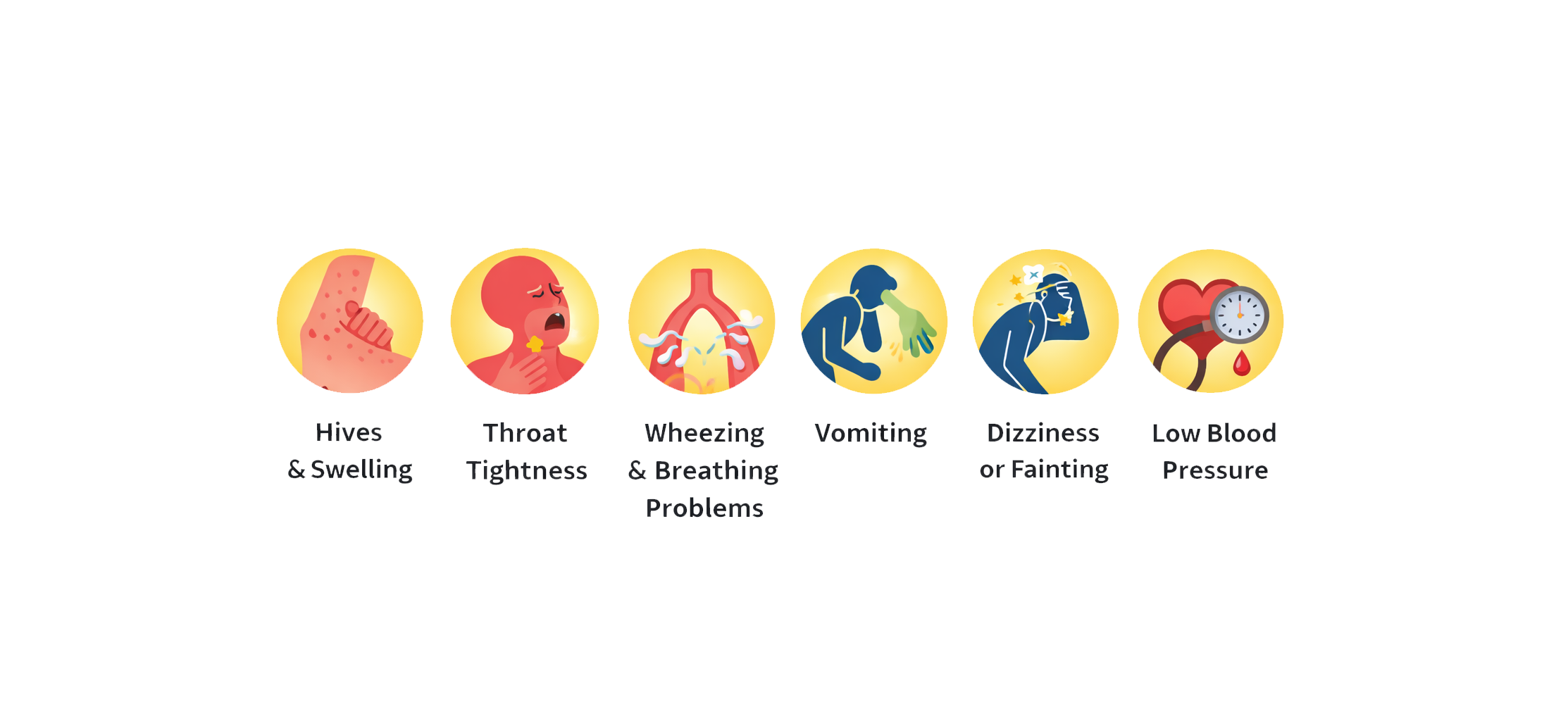
Severe reactions and anaphylaxis
Anaphylaxis can include widespread hives, swelling, throat tightness, trouble breathing, wheezing, persistent vomiting, dizziness, fainting, or a sudden drop in blood pressure. Symptoms can progress quickly and require urgent care.
If you are at risk for anaphylaxis, your plan may include carrying epinephrine and knowing when and how to use it. Avoidance and label reading help, but emergency preparedness matters because accidental exposures can happen.
People often ask which nut is “deadliest,” but severity depends on the individual, the amount, co-factors (like exercise or asthma), and prior reaction history. What matters most is clarifying your actual risk profile and having a plan that matches it.
Why tree nut allergies happen
Food allergies involve the immune system reacting to specific proteins. In IgE-mediated food allergy, exposure can trigger immune signaling that leads to symptoms such as hives, swelling, breathing issues, or anaphylaxis.
Genetics and a personal or family history of allergic disease can increase risk. Asthma can also increase the risk of severe breathing symptoms during a reaction, which is why careful planning matters.
Some people react to a single nut, while others react to multiple nuts. Cross-reactivity can happen, and cross-contact can also create confusion. A structured evaluation can help clarify whether avoidance needs to be broad or targeted.
Living with a tree nut allergy day to day
Read ingredient lists carefully and learn the common names for the specific nuts you avoid. Product labels change, and “may contain” statements can indicate cross-contact risk. The safest approach depends on your reaction history and your clinician’s guidance.
Tree nuts are common in baked goods, desserts, sauces, and specialty cuisines. A plan for dining out can include asking the right questions, avoiding high-risk dishes, and carrying emergency medication if indicated.
Some people do outgrow a tree nut allergy, but many do not. If you have been reaction-free for years, your clinician may recommend re-evaluation and, when appropriate, a medically supervised oral food challenge to confirm whether tolerance has changed.

Diagnosis and testing for tree nut allergy
Diagnosing a tree nut allergy starts with the details that tests cannot capture on their own. A careful history and exam help clarify what happened, how quickly symptoms started, how much was involved, and whether symptoms suggest an allergic reaction versus another cause. This step matters because it helps determine which tests are meaningful and which may create confusion.
Allergy testing is a key part of evaluating tree nut allergy, but results must be interpreted in context. Skin prick tests can screen for sensitization. Blood testing may include specific IgE and, when appropriate, component testing. These tests can be positive even when someone is not clinically reactive, so pairing results with history helps reduce false diagnoses and unnecessary restriction.
When appropriate, an oral food challenge under medical supervision can help clarify true tolerance and real-world risk. This involves gradually consuming increasing amounts of the suspected food while monitoring closely for symptoms. Because it can trigger significant reactions, it must be done in an experienced clinical setting with emergency support available.
Basophil Activation Test (BAT)
In select cases, NYFA may use BAT alongside history and other targeted testing to help clarify true allergy risk. BAT evaluates how basophils respond to a suspected allergen in a controlled lab setting. For a deeper explanation, see the BAT section below.
Basophil Activation Test (BAT)
BAT is a lab-based test that evaluates how basophils, immune cells involved in allergic responses, react when exposed to a suspected allergen. Instead of only measuring sensitization, BAT looks at cellular activation in response to an allergen exposure under controlled conditions.
Many patients arrive with “food allergy” labels based on tests alone without proof of exposure or reactions. In select cases, BAT may help add clarity when history and standard testing do not fully match, supporting more personalized next steps and helping reduce unnecessary restriction.
NYFA may consider BAT alongside symptom history, skin testing, specific IgE testing, component testing, and when appropriate, oral food challenges. The goal is not to replace clinical judgment, but to improve clarity for safer, more confident decision-making.
Treatment and management options
Management typically involves avoiding the specific nut or nuts that trigger reactions, plus reducing cross-contact risk. Your plan should match your real-world risk. Over-avoidance can be stressful, while under-avoidance can be unsafe, so clarity matters.
If you are at risk for severe reactions, your clinician may recommend carrying epinephrine and having a written plan. Everyone in your circle should know how to respond if symptoms escalate. Follow your clinician’s instructions for your specific situation.
Some patients pursue structured desensitization under medical supervision. NYFA’s approach is designed to support tolerance goals while prioritizing safety, monitoring, and personalized adjustments. Results vary by patient.
Conclusion: key takeaways
Tree nut allergies can impact daily life, from label reading to dining out and travel. Because reactions can vary in severity, the most helpful next step is clear, structured evaluation rather than assumptions based on testing alone.
Diagnosis typically starts with your history, then uses targeted tools like skin testing, blood testing, and in select cases an oral food challenge. BAT may also be considered in specific scenarios to support added clarity. The goal is a plan that matches your real risk and supports confident daily living.
The power of desensitization therapy with NYFA
For over two decades, Dr. Atul Shah has helped patients pursue desensitization strategies through a structured approach. NYFA’s FATE™ Program is designed to support tolerance goals while prioritizing safety, monitoring, and personalized adjustments.
How the FATE™ Program works
- Personalized assessment based on history, severity, and goals.
- Customized pathway with step-based progress under medical guidance.
- Ongoing monitoring and adjustments to support safety and progress.
- Real-life coaching for dining out, school, travel, and cross-contact awareness.
Results vary by patient. The goal is improved tolerance and confidence, not guaranteed outcomes.
The role of NYFA
NYFA focuses on clarity, not assumptions. Many patients arrive with “food allergy” labels based on testing alone. Our approach connects symptom history with the right tools to better understand true risk.
Once risk is clarified, NYFA helps guide next steps that fit your life, whether that means a refined avoidance plan, emergency preparedness, supervised challenges when appropriate, or a structured desensitization pathway.
NYFA next steps in Manhattan
Visit NYFA’s Manhattan Office
NYFA is located on the Upper East Side at 110 East 60th St., Suite 708, New York, NY 10022. Serving all of Manhattan, the NYC metro area, New Jersey, Connecticut, and patients nationwide, as well as international visitors.
FAQs
Testing typically starts with your symptom history, then uses tools like skin prick testing and blood testing (such as specific IgE). When appropriate, a medically supervised oral food challenge may be used to confirm whether someone is truly allergic.
Historically, the “Big 8” or “Big 9” major allergens linked to most food allergies and serious reactions were milk, eggs, fish, crustacean shellfish, tree nuts, peanuts, sesame, wheat, and soybeans. Sesame is now also recognized as a major allergen, which is why you may hear “Big 9” today.
Some people do outgrow tree nut allergy, but many do not. Studies suggest the outgrowing rate is around one in ten. If tolerance may have changed, the safest way to confirm it is through a clinician-guided evaluation and, when appropriate, a medically supervised oral food challenge.
There is no single “deadliest” nut for everyone. Severe and fatal allergic reactions are most commonly associated with peanuts and tree nuts overall. Individual risk depends on factors like prior reaction history, asthma, amount of exposure, and delayed epinephrine use. The most important step is clarifying your personal risk and having an emergency plan.
Many allergies and allergy-like conditions are extremely rare. One often-cited example is aquagenic urticaria, where contact with water can trigger hives. It has been described as having fewer than 100 reported cases in the medical literature.
About Dr. Atul Shah
- Founder of NYFA
- Creator of the FATE™ Program
- 20+ Years of Experience
- 15,000+ Success Stories
- America’s Top Physicians’ Award
- The Patients’ Choice Award
- Most Compassionate Physicians’ Award