

What are Ten Common Food Allergies?
Food Allergy Education
What Are 10 Common Food Allergies?
A practical guide to peanut, tree nut, milk, egg, wheat, soy, sesame, fish, shellfish, and seed allergies, including symptoms, diagnostic limits, emergency planning, and how NYFA approaches personalized care.

Jump to a section
The quick answer
Peanut, tree nut, milk, egg, wheat, soy, sesame, fish, Crustacean shellfish, and other seed allergies such as sunflower seed are ten common food allergy categories. This is a practical list, not a universal ranking. In the United States, the FDA legally recognizes nine major allergens for food labeling. [1]
What “common” really means
Food allergy patterns differ by age, geography, diet, and population. There is no single medically official “Top 10” that applies everywhere. The FDA's Big 9 are a U.S. labeling category, while clinicians may also evaluate allergies to legumes, seeds, fruits, vegetables, meats, spices, and other foods. More than 160 foods have been reported to cause allergic reactions in sensitive individuals. [1]
These foods receive specific disclosure treatment under federal packaged-food labeling rules.
Sunflower seed, chickpea, lentil, and many other foods may require individualized evaluation even though they are not U.S. major allergens.
A labeling category is not a diagnosis. A food's presence on or absence from the Big 9 list does not determine whether one specific patient is allergic to it.
Symptoms and emergency warning signs
Food allergy symptoms often begin within minutes to a few hours, although timing depends on the condition and trigger. Possible symptoms include hives, itching, swelling, vomiting, diarrhea, coughing, wheezing, dizziness, throat swelling, breathing difficulty, or loss of consciousness. [1]
Follow the prescribed plan
Symptoms such as localized hives, itching, or mild gastrointestinal discomfort still deserve attention. The patient's written action plan should guide medication and monitoring decisions.
Treat as an emergency
Breathing difficulty, throat tightness, fainting, rapidly worsening symptoms, or symptoms involving more than one body system can signal anaphylaxis. Use prescribed epinephrine promptly according to the action plan, call 911, and seek emergency medical care. [3]
Do not wait for a reaction to become severe. Antihistamines do not replace epinephrine for anaphylaxis, and water or home remedies cannot flush an allergic reaction from the body.
Milk, egg, peanut, and tree nut allergies
These four categories are common reasons children and adults seek allergy evaluation. Each has its own natural history and cross-reactivity questions, so one food's plan should not be copied automatically to another.

Milk allergy
Milk allergy is an immune reaction to milk proteins. It is especially common in childhood and can cause skin, digestive, respiratory, or systemic symptoms.
What to know: Milk allergy is not the same as lactose intolerance. Some children outgrow milk allergy, but resolution should be evaluated by an allergist rather than tested at home.
Explore milk allergy care
Egg allergy
Egg allergy often begins in childhood. Reactions may involve hives, swelling, vomiting, coughing, wheezing, or anaphylaxis, and the pattern differs from person to person.
What to know: Some egg-allergic patients tolerate extensively heated egg, but baked-egg introduction is a medical decision and should not be attempted without guidance.
Explore egg allergy care
Peanut allergy
Peanut is a legume, not a tree nut. Peanut allergy often starts in childhood and may persist, although the likelihood and severity of a future reaction cannot be predicted from one test result alone.
What to know: A peanut allergy does not automatically prove allergy to soy, chickpea, lentil, or every other legume. Testing should be targeted to the history.
Explore peanut allergy care
Tree nut allergy
Tree nuts include almond, cashew, pistachio, walnut, pecan, hazelnut, Brazil nut, and macadamia nut. A reaction can be severe, but the relevant nut or nuts must be identified carefully.
What to know: Allergy to one tree nut does not automatically mean every tree nut causes a clinical reaction. Related pairs, such as cashew and pistachio or walnut and pecan, require individualized evaluation.
Explore tree nut allergy careWheat, soy, sesame, fish, shellfish, and seed allergies
The next six categories include three additional Big 9 allergens, fish and Crustacean shellfish, plus seed allergies outside sesame. Diagnosis should identify the actual food and form involved rather than relying on a broad category alone.
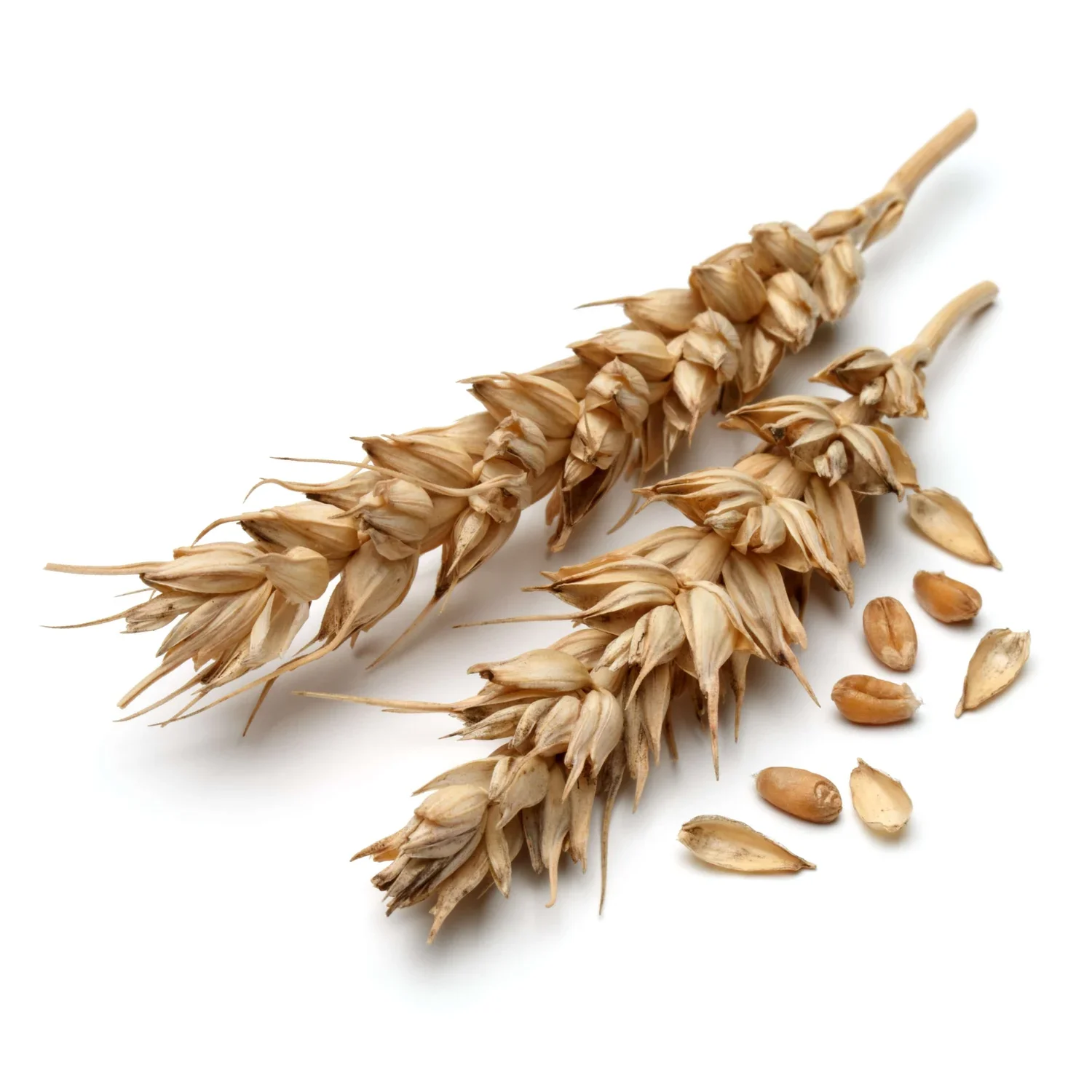
Wheat allergy
Wheat allergy is an immune reaction to one or more wheat proteins. Symptoms may involve the skin, gastrointestinal tract, breathing, or more than one body system.
What to know: Wheat allergy is different from celiac disease and non-celiac gluten sensitivity. Those conditions require different testing and management.
Explore wheat allergy care
Soy allergy
Soy allergy is often diagnosed in childhood but can persist. Soy appears in many processed foods, so an accurate diagnosis helps prevent unnecessarily broad restrictions.
What to know: The reaction history matters because a positive soy test alone does not establish that eating soy causes symptoms.
Explore soy allergy care
Sesame allergy
Sesame can appear as seeds, tahini, paste, oil, seasoning, or an ingredient in baked and prepared foods. It became the ninth major allergen under U.S. labeling law in 2023.
What to know: Packaged foods must identify sesame when labeling rules apply, but restaurant and cross-contact questions remain important.
Explore sesame allergy care
Fish allergy
Fish allergy may involve one or more finned fish, such as salmon, tuna, cod, or bass. It often persists into adulthood and is distinct from Crustacean shellfish allergy.
What to know: An allergist may evaluate individual species rather than assuming every type of fish is clinically identical. Labels must identify the fish species when U.S. major-allergen rules apply.

Crustacean shellfish allergy
Crustacean shellfish includes shrimp, crab, and lobster. Shellfish allergy commonly begins or continues in adulthood and may cause serious reactions.
What to know: Crustaceans and mollusks are not the same category. The exact foods that require avoidance should be based on the history and specialist evaluation.

Seed allergy
Seeds outside sesame, including sunflower seed, can cause IgE-mediated food allergy. They are not part of the FDA's Big 9, but a reaction can still be clinically important or severe.
What to know: Do not assume every seed or every form of sunflower oil is equivalent. The relevant food, preparation, and reaction history guide the evaluation.
Explore sunflower seed allergy careOther allergens NYFA evaluates
Chickpea and lentil are legumes, as are peanut and soy. A confirmed allergy to one legume does not automatically prove allergy to all legumes. Cultural diet, prior tolerance, reaction history, and targeted testing all matter when deciding whether another food truly requires avoidance.

Chickpea allergy
Chickpea appears in hummus, falafel, flours, snacks, and many Mediterranean, Middle Eastern, and South Asian foods. Evaluation should focus on the patient's actual reaction pattern.
Explore chickpea allergy care
Lentil allergy
Lentil allergy can be clinically important even though lentil is not a U.S. major allergen. The allergist may consider related legumes without assuming they all require removal.
Explore lentil allergy careAccurate diagnosis comes before treatment
Many patients arrive after removing several foods because of broad skin or blood panels. Skin-prick and food-specific IgE tests can identify sensitization, but a positive result does not prove that eating the food causes symptoms. False-positive results occur, so the reaction history must guide what is tested and how results are interpreted. [2]
Start with what actually happened
The allergist reviews the food, amount, preparation, timing, symptoms, repeatability, treatment, and relevant health conditions. Targeted skin, IgE, or component testing is then chosen when it can answer a specific clinical question.
BAT can add functional information
The Basophil Activation Test measures how basophils in a blood sample respond to a selected allergen. NYAIRL is the only DOH-approved, CLIA-certified laboratory in New York State offering BAT for food allergy diagnostics. BAT can support decision-making in selected cases, but it does not replace the history or guarantee the severity of a future reaction. [6]
Learn about BAT at NYFADirectly evaluate tolerance when appropriate
During a medically supervised oral food challenge, carefully measured amounts are given in stages while the patient is monitored. An OFC may confirm allergy or tolerance when history and other testing leave uncertainty. It should never be attempted at home. [4]
Explore oral food challengesManagement and treatment depend on the patient
There is no single treatment plan for all ten categories. The confirmed allergen, reaction history, age, asthma control, nutrition, lifestyle, goals, and willingness to maintain a protocol all affect the safest next step.
Oral Immunotherapy
OIT uses measured oral doses through a supervised protocol. For selected patients, the goal is to raise the amount that may trigger a reaction while treatment continues. Reactions can occur, maintenance is typically required, and OIT should not be presented as a guaranteed cure.
Explore OIT at NYFASublingual Immunotherapy
Food SLIT uses a prescribed dose under the tongue. Protocols and evidence vary by food and clinical context, so candidacy, goals, dosing, monitoring, and home instructions must be individualized.
Explore SLIT at NYFADesensitization is not automatically the right choice for every allergy or patient. OIT and SLIT use different routes and dosing strategies. Neither should be described as risk-free, and outcomes cannot be guaranteed.
How NYFA's FATE™ Program builds a plan
The Food Allergy Tolerance Enhancement Program organizes care into five established phases. The clinical tools, order, pace, and endpoint are individualized. Not every patient needs every test or treatment. [8]
The phase title describes a range of possible goals, not a promised outcome. Some patients seek diagnostic clarity, some seek accidental-exposure protection, and some may work toward broader dietary flexibility. Results and maintenance needs vary.
NYFA's treatment perspective
Accurate diagnosis comes first. Once the confirmed allergens and clinical goals are clear, Dr. Shah can discuss avoidance, emergency preparedness, oral food challenges, BAT, OIT, SLIT, and long-term monitoring as relevant to the individual patient.
From uncertainty toward a defined plan
The strongest plan does more than list foods to avoid. It explains what is confirmed, what remains uncertain, what to do during a reaction, and what realistic treatment goals may be available.
Food allergy care in Manhattan
NY Food Allergy & Wellness is located on the Upper East Side at 110 East 60th St., Suite 708, New York, NY 10022. Children, teens, and adults can meet with Dr. Shah to review symptoms, testing, emergency preparedness, and whether supervised treatment fits their needs.
Frequently asked questions
Ten common categories are peanut, tree nut, milk, egg, wheat, soy, sesame, fish, Crustacean shellfish, and other seed allergies such as sunflower seed. This is a practical list, not a universal prevalence ranking. The FDA legally recognizes nine major allergens for U.S. food labeling.
The nine major allergens named in U.S. law are milk, egg, fish, Crustacean shellfish, tree nuts, peanuts, wheat, soybeans, and sesame. Other foods can still cause serious allergies even when they are not part of the Big 9.
Symptoms may include hives, itching, swelling, vomiting, diarrhea, coughing, wheezing, dizziness, throat swelling, breathing difficulty, or loss of consciousness. A severe reaction can be anaphylaxis and requires immediate emergency treatment according to the patient's prescribed action plan.
No. A positive skin-prick or food-specific IgE result can show sensitization, but it does not prove that eating the food causes symptoms. Diagnosis requires the clinical history and targeted testing, and sometimes a medically supervised oral food challenge.
There is no single best test for every patient. A medically supervised oral food challenge directly evaluates whether a food causes symptoms and is often used when confirmation is needed. Skin testing, specific IgE, component testing, and BAT may help answer different clinical questions.
No. Wheat allergy is an immune reaction to wheat proteins that may cause an immediate allergic reaction. Celiac disease is an autoimmune condition triggered by gluten. The evaluation and long-term management are different.
Not automatically. Peanut, soy, chickpea, and lentil are legumes, but a confirmed allergy to one does not prove clinical allergy to all of them. An allergist should decide which foods need testing or avoidance based on the reaction history.
No desensitization approach should be described as a guaranteed cure. For selected patients, OIT or SLIT may raise the amount of allergen needed to trigger a reaction while treatment continues. Outcomes, risks, maintenance, and permitted foods vary.
About Atul N. Shah, MD, FACAAI, FAAAAI
- Board-Certified Allergist
- Founder of NY Food Allergy & Wellness
- Creator of the FATE™ Program
- 20+ Years of Experience
- 15,000+ Success Stories
- America's Top Physicians' Award
- The Patients' Choice Award
- Most Compassionate Physicians' Award

Sources and related reading
Continue reading on NYFA
This article provides general education and does not replace an individualized diagnosis, emergency action plan, or medical advice. Possible anaphylaxis requires immediate emergency treatment. Do not introduce a suspected allergen, perform an oral food challenge, attempt desensitization, or change treatment without guidance from a qualified clinician.
