Are Pistachios Tree Nuts? Discover the Truth About Them!
Food Allergy Education
Are pistachios tree nuts? Uncover the surprising truth behind these delicious green snacks and discover what sets them apart in the nut family!

Jump to a section
Are Pistachios Tree Nuts? Discover the Truth About Them!
What Are Tree Nuts? Defining the Category
Tree nuts are a fascinating category of food that includes a variety of seeds and fruits from specific types of trees. These edible seeds are generally enclosed in a hard shell, which protects the nutritious kernel inside. Common examples of tree nuts include almonds, walnuts, pecans, hazelnuts, and cashews. Despite their diversity in flavor and texture, what binds these nuts together is their origin from tree species.
Understanding the botanical definition of tree nuts helps to clarify their classification. Scientifically, tree nuts are the seeds of fruits that develop on trees. Unlike other seeds, tree nuts do not split open to release their seeds; instead, the entire fruit is consumed. These nuts are typically rich in essential nutrients, making them a popular choice for healthy snacking and cooking.
The world of tree nuts is quite diverse, and each type offers unique benefits and culinary uses. From the creamy texture of cashews to the robust flavor of walnuts, tree nuts are versatile ingredients in both sweet and savory dishes. Their ability to provide essential nutrients like protein, fiber, and healthy fats makes them a valuable addition to any diet.
The Botanical Classification of Pistachios
When it comes to pistachios, their botanical classification can be quite intriguing. Pistachios grow on small trees that belong to the Anacardiaceae family, which also includes other well-known plants like mangoes, poison ivy, and cashews. Scientifically, pistachios are classified as the seeds of the fruit of the Pistacia vera tree. This tree is native to regions of Central Asia and the Middle East, where pistachios have been cultivated for thousands of years.
Pistachios differ from many other tree nuts in their unique growth process. The pistachio fruit is a drupe, which means it has a fleshy outer layer surrounding a hard shell that encases the edible seed. As the fruit matures, the outer layer dries and splits open, revealing the characteristic green seed inside. This natural splitting process makes pistachios easier to harvest and process compared to other tree nuts that require mechanical shelling.
The distinct green color of pistachios is due to their high chlorophyll content, which sets them apart from other tree nuts. This vibrant hue is not only visually appealing but also indicative of the pistachio's rich nutrient profile. The unique combination of botanical characteristics and nutritional benefits makes pistachios a standout member of the tree nut family.
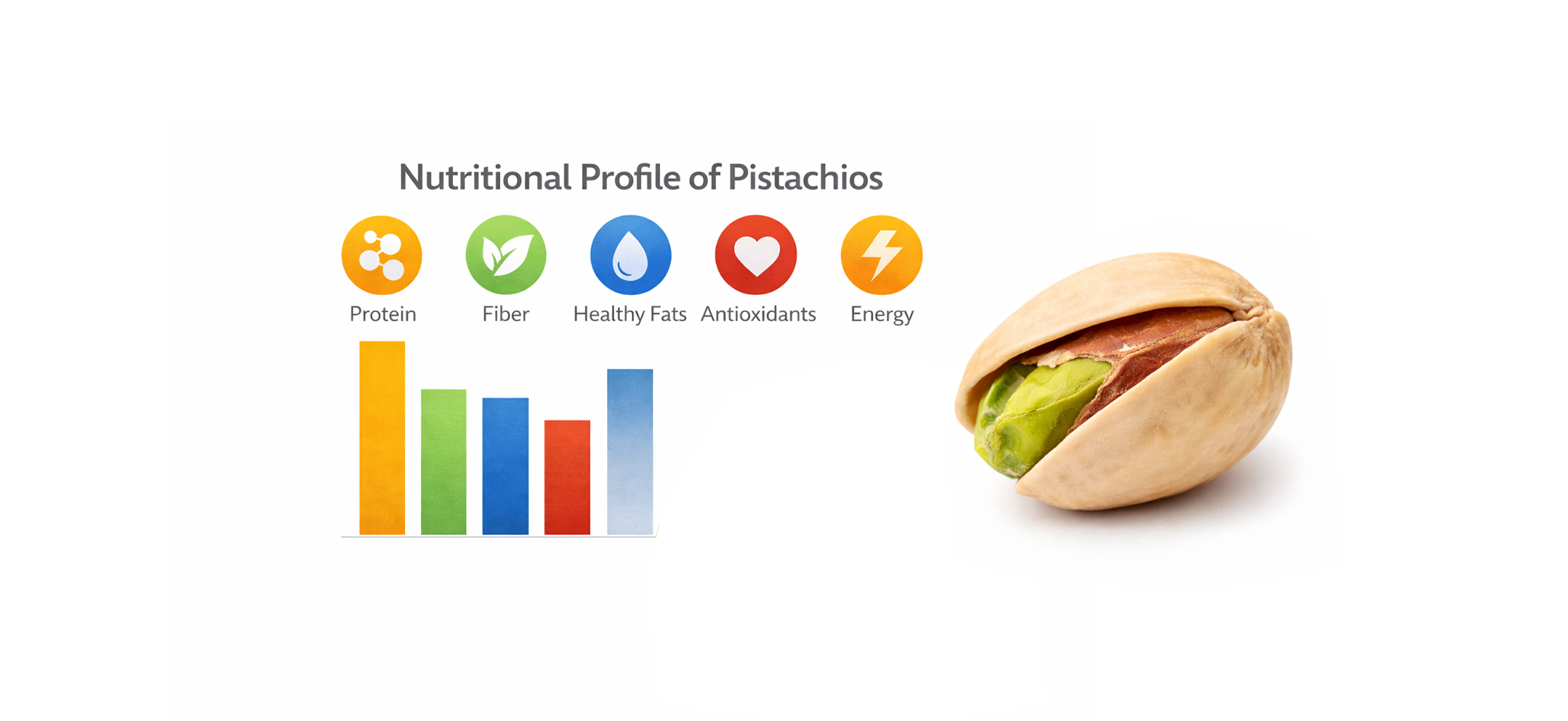
Nutritional Profile of Pistachios
Pistachios are not only delicious but also packed with essential nutrients that contribute to a healthy diet. A typical serving of pistachios, which is about one ounce or 28 grams, contains approximately 160 calories. This serving size also provides around 6 grams of protein, 13 grams of fat, and 8 grams of carbohydrates, making pistachios a well-balanced snack option.
One of the standout features of pistachios is their healthy fat content. The majority of the fats in pistachios are monounsaturated and polyunsaturated fats, which are known to support heart health by reducing bad cholesterol levels. Additionally, pistachios are a good source of dietary fiber, with about 3 grams per serving, which aids in digestion and promotes a feeling of fullness.
Pistachios are also rich in vitamins and minerals that are essential for overall health. They contain significant amounts of vitamin B6, which plays a crucial role in brain development and function. Other important nutrients found in pistachios include potassium, magnesium, and phosphorus, all of which contribute to maintaining healthy bodily functions. The presence of antioxidants, such as lutein and zeaxanthin, further enhances the nutritional value of pistachios by protecting cells from damage and supporting eye health.
Health Benefits of Eating Pistachios
Incorporating pistachios into your diet can offer numerous health benefits, thanks to their impressive nutritional profile. One of the most notable benefits is their potential to support heart health. The healthy fats, fiber, and antioxidants in pistachios work together to reduce the risk of cardiovascular diseases. Studies have shown that regularly consuming pistachios can help lower LDL (bad) cholesterol levels and improve HDL (good) cholesterol levels, contributing to better heart health.
Pistachios are also beneficial for weight management. Despite their calorie density, the combination of protein, fiber, and healthy fats in pistachios can help curb hunger and promote satiety. This makes them an excellent snack choice for those looking to maintain or lose weight. Additionally, the fiber content in pistachios supports digestive health by promoting regular bowel movements and preventing constipation.
Another significant health benefit of pistachios is their impact on blood sugar levels. Pistachios have a low glycemic index, meaning they cause a slow and steady rise in blood sugar levels rather than a rapid spike. This makes them a suitable snack for individuals with diabetes or those looking to manage their blood sugar levels. The presence of antioxidants and anti-inflammatory compounds in pistachios also contributes to their potential in reducing the risk of chronic diseases, including certain types of cancer.
This article is for general education. Individual health needs vary, so always follow guidance from your clinician.
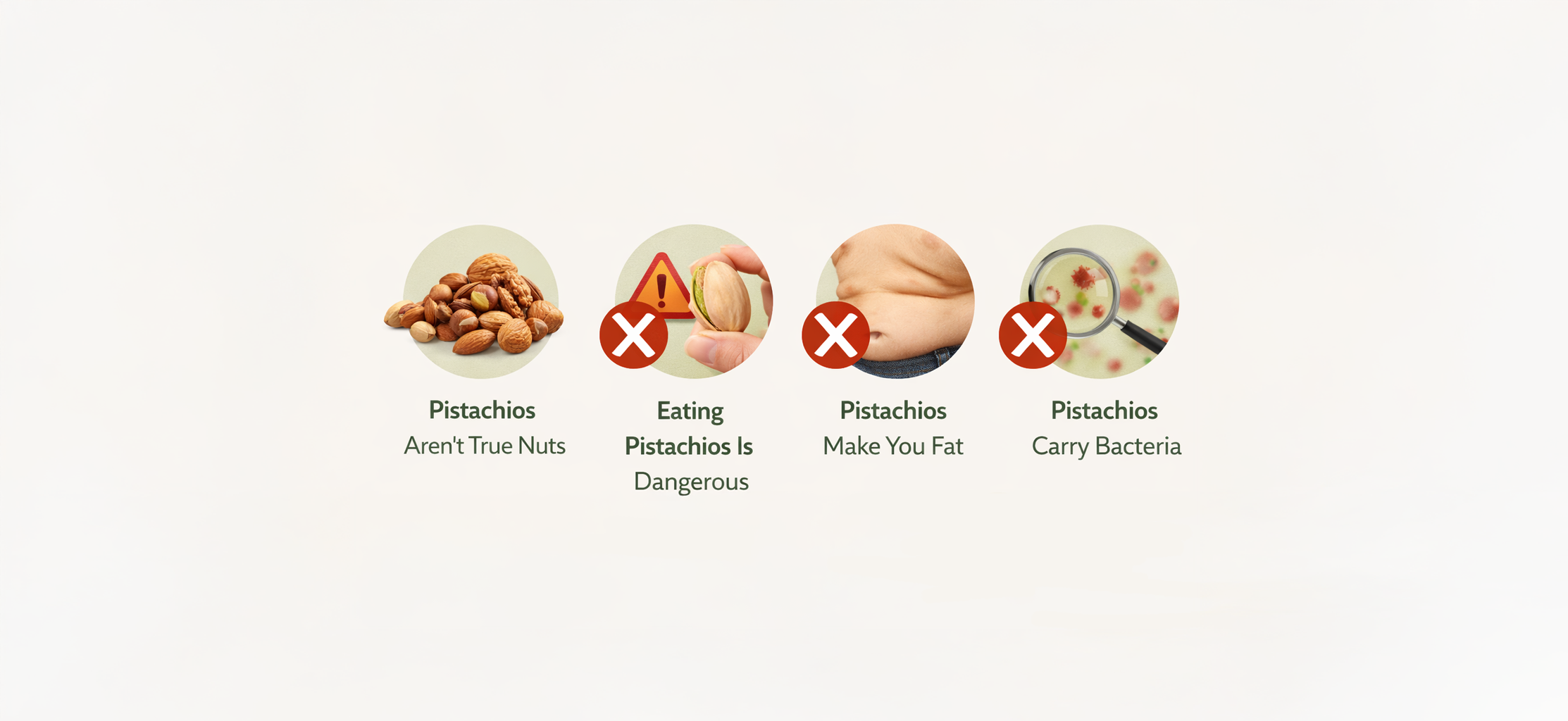
Common Myths About Pistachios and Tree Nuts
Despite their popularity, there are several myths and misconceptions surrounding pistachios and tree nuts. One common myth is that eating nuts, including pistachios, leads to weight gain due to their high-fat content. However, research has shown that the healthy fats in nuts do not contribute to weight gain when consumed in moderation. In fact, nuts can be a part of a balanced diet that supports weight management.
Another myth is that all tree nuts are the same in terms of nutritional value and health benefits. While it's true that tree nuts share some common nutrients, each type of nut has its unique profile and offers distinct benefits. For example, almonds are particularly high in vitamin E, while walnuts are known for their omega-3 fatty acids. Pistachios, on the other hand, are rich in vitamin B6 and antioxidants, making them uniquely beneficial.
There's also a misconception that people with nut allergies should avoid all tree nuts, including pistachios. While it's true that some individuals with nut allergies may react to multiple types of nuts, others may only be allergic to specific ones. It's essential for individuals with nut allergies to consult with a healthcare professional to determine which nuts they need to avoid. In some cases, pistachios may be safe to consume even if other nuts are not.
Allergies: Understanding Pistachio Allergies
Pistachio allergies, although less common than other nut allergies, can still pose a significant health risk for those affected. An allergic reaction to pistachios occurs when the immune system mistakenly identifies proteins in the nuts as harmful substances. This triggers the release of chemicals like histamines, leading to symptoms that can range from mild to severe.
Common symptoms of a pistachio allergy include itching or swelling of the mouth, lips, and throat, as well as hives, stomach cramps, and nausea. In more severe cases, individuals may experience difficulty breathing, a drop in blood pressure, or anaphylaxis, a life-threatening reaction that requires immediate medical attention. It's crucial for individuals with known nut allergies to carry an epinephrine auto-injector and seek medical advice to manage their condition effectively.
The majority of pistachio-allergic individuals have a cashew allergy. Diagnosing a pistachio allergy typically involves a combination of medical history, skin prick tests, and blood tests to detect specific antibodies related to the allergy. If a pistachio allergy is confirmed, the primary treatment is strict avoidance of pistachios and any products containing them. Our FATE Program can help with pistachio allergy. Reading food labels carefully and being aware of cross-contamination risks in food preparation are essential steps in preventing allergic reactions.
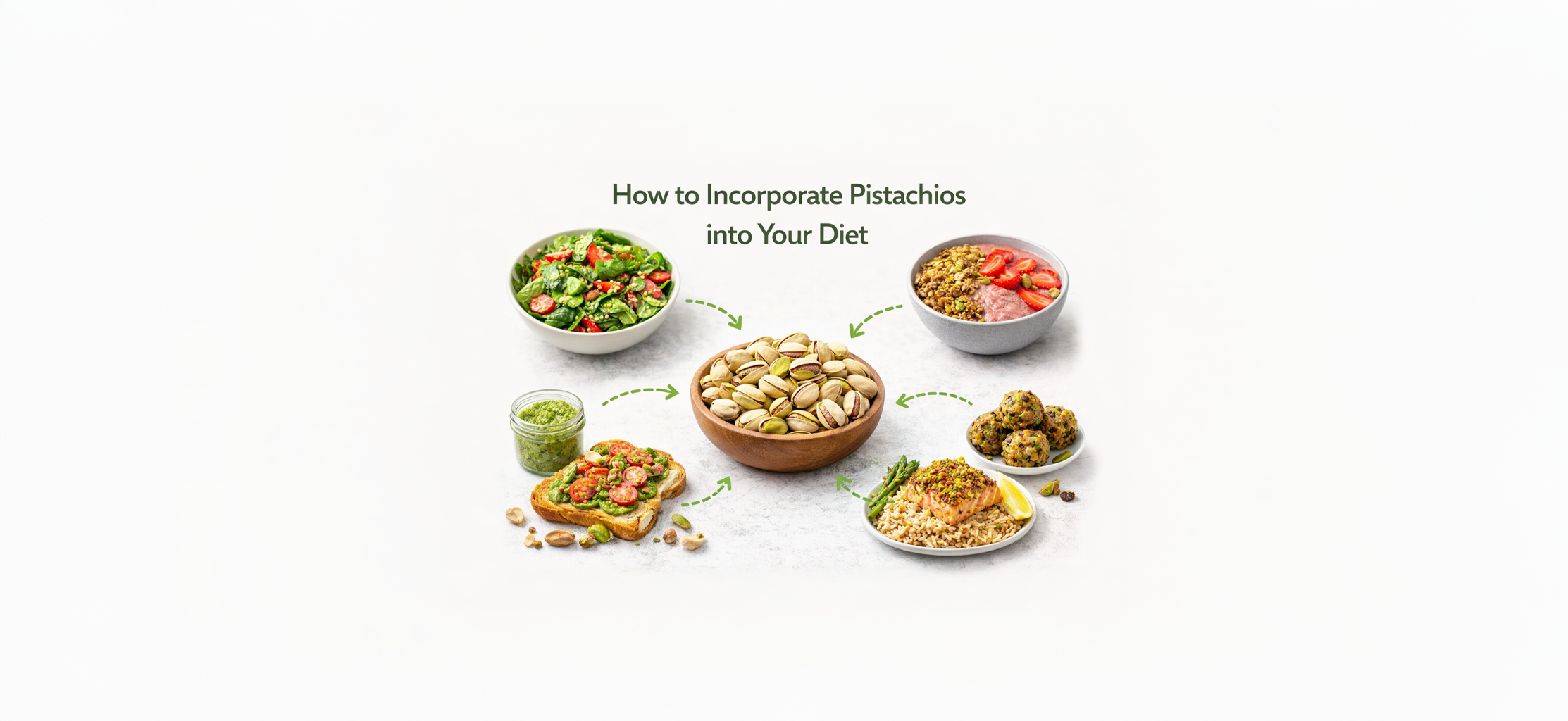
How to Incorporate Pistachios into Your Diet
Adding pistachios to your diet can be both enjoyable and beneficial for your health. One of the simplest ways to enjoy pistachios is to eat them as a snack. Their natural flavor and satisfying crunch make them a convenient and nutritious option for on-the-go snacking. For a bit of variety, you can try flavored pistachios, such as those seasoned with sea salt, chili, or honey.
Pistachios can also be incorporated into a variety of dishes to enhance their flavor and nutritional value. They make an excellent addition to salads, providing a delightful crunch and a boost of protein and healthy fats. You can sprinkle chopped pistachios over yogurt or oatmeal for a nutritious breakfast, or mix them into granola and trail mix for a wholesome snack. Pistachios can even be used in baking, adding texture and flavor to cookies, muffins, and cakes.
For a more savory approach, pistachios can be used to create delicious sauces and dips. Pistachio pesto, made by blending pistachios with olive oil, garlic, and fresh herbs, is a flavorful alternative to traditional basil pesto. Pistachios can also be ground into a paste to make creamy spreads for sandwiches or as a base for salad dressings. Their versatility in the kitchen makes pistachios a valuable ingredient for both sweet and savory recipes.
Pistachios vs. Other Tree Nuts: A Comparison
When comparing pistachios to other tree nuts, several factors come into play, including nutritional content, flavor, and culinary uses. Pistachios are unique in their vibrant green color and distinct flavor, which is both slightly sweet and mildly earthy. This sets them apart from other tree nuts, such as almonds, which have a more subtle taste, and walnuts, which are known for their robust, slightly bitter flavor.
Nutritionally, pistachios offer a unique profile compared to other tree nuts. They are particularly high in vitamin B6, which is essential for brain health and the production of neurotransmitters. While almonds are rich in vitamin E and walnuts are renowned for their omega-3 fatty acids, pistachios stand out with their high antioxidant content and significant amounts of lutein and zeaxanthin, which support eye health. Additionally, pistachios have a lower calorie count per serving compared to some other nuts, making them a suitable option for those mindful of their caloric intake.
In terms of culinary uses, pistachios are incredibly versatile. Their distinct flavor and texture make them suitable for both sweet and savory dishes. While almonds are often used in baking and cashews in creamy sauces, pistachios can be found in a variety of recipes, from pistachio-crusted fish to pistachio ice cream. This versatility, combined with their unique nutritional benefits, makes pistachios a valuable addition to any diet and a standout among tree nuts.
Conclusion: The Truth About Pistachios as Tree Nuts
In conclusion, pistachios are indeed tree nuts, belonging to the Anacardiaceae family and classified as the seeds of the Pistacia vera tree. Their unique botanical characteristics, nutritional profile, and health benefits set them apart from other tree nuts. Pistachios are rich in essential nutrients, including healthy fats, protein, fiber, vitamins, and antioxidants, making them a nutritious and versatile addition to any diet.
Despite common myths and misconceptions, pistachios can be enjoyed as part of a balanced diet without contributing to weight gain. Their potential health benefits, such as supporting heart health, aiding in weight management, and regulating blood sugar levels, make them a valuable food choice. However, it's essential to be aware of pistachio allergies and take necessary precautions if you have a nut allergy.
Incorporating pistachios into your diet can be simple and enjoyable, whether eaten as a snack or added to a variety of dishes. Their unique flavor and nutritional value make them a standout among tree nuts, offering both culinary versatility and health benefits. By understanding the truth about pistachios, you can make informed choices and enjoy the numerous advantages they have to offer.
The power of desensitization therapy with NYFA
For over two decades, Dr. Atul Shah has helped patients pursue desensitization strategies through a structured approach. NYFA’s FATE™ Program is designed to support tolerance goals while prioritizing safety, monitoring, and personalized adjustments.
How the FATE™ Program works
- Personalized assessment based on history, severity, and goals.
- Customized pathway with step-based progress under medical guidance.
- Ongoing monitoring and adjustments to support safety and progress.
- Real-life coaching for dining out, school, travel, and cross-contact awareness.
Results vary by patient. The goal is improved tolerance and confidence, not guaranteed outcomes.
The role of NYFA
NYFA focuses on clarity, not assumptions. Many patients arrive with “food allergy” labels based on testing alone. Our approach connects symptom history with the right tools to better understand true risk.
Once risk is clarified, NYFA helps guide next steps that fit your life, whether that means a refined avoidance plan, emergency preparedness, supervised challenges when appropriate, or a structured desensitization pathway.
NYFA next steps in Manhattan
Visit NYFA’s Manhattan Office
NYFA is located on the Upper East Side at 110 East 60th St., Suite 708, New York, NY 10022. Serving all of Manhattan, the NYC metro area, New Jersey, Connecticut, and patients nationwide, as well as international visitors.
FAQs
Yes. Pistachios grow on trees and are classified as a tree nut. If you have a tree nut allergy, an allergist can help clarify your personal risk.
Pistachios and cashews are both in the Anacardiaceae family. Some people have cross-reactivity, so testing and history matter.
Yes. Some people react to a single nut, while others react to multiple tree nuts. An individualized evaluation helps determine what to avoid.
If anaphylaxis is suspected, administer epinephrine immediately if available and call emergency services right away. Follow up with emergency evaluation even if symptoms improve.
Read labels carefully, take advisory statements seriously, and ask detailed questions when dining out. Cross-contact can happen during processing or preparation.
About Dr. Atul Shah
- Founder of NYFA
- Creator of the FATE™ Program
- 20+ Years of Experience
- 15,000+ Success Stories
- America’s Top Physicians’ Award
- The Patients’ Choice Award
- Most Compassionate Physicians’ Award