How to Get Diagnosed with a Food Allergy
Food Allergy Diagnosis
Getting diagnosed with a food allergy starts with more than a test result. A careful food allergy diagnosis connects your symptoms, timing, medical history, and the right testing so you can understand whether a food is truly unsafe or whether you may have been avoiding it unnecessarily.
Jump to a section
How to Get Diagnosed with a Food Allergy
How to Get Diagnosed with a Food Allergy
To get diagnosed with a food allergy, start with a detailed medical evaluation from an allergist or allergist/immunologist. A proper diagnosis usually includes your reaction history, symptom timing, the amount of food eaten, other health factors, and targeted food allergy testing when appropriate.
The goal is not simply to collect positive test results. The goal is to answer a more important question: does this food create a real clinical risk for you or your child?
Food allergy testing can be helpful, but a test result is only one piece of the diagnosis. A positive skin prick test or blood test can show sensitization, meaning the immune system has made allergy-related antibodies to a food. That does not always mean the person will react when eating the food.
This is why broad food panels can create confusion. They may label a patient allergic to foods they tolerate or have never reacted to. A stronger diagnostic process uses targeted testing based on a real story, not random screening.
A good food allergy diagnosis should clarify the likely trigger, the level of risk, whether emergency medication is needed, whether a supervised oral food challenge makes sense, and whether longer-term options such as desensitization support through the FATE™ Program may be appropriate.

Symptoms That Should Be Evaluated
Food allergy symptoms can involve the skin, stomach, breathing, throat, or cardiovascular system. Hives, swelling of the lips or face, itching, vomiting, stomach pain, coughing, wheezing, throat tightness, dizziness, and sudden flushing can all be important clues.
For a deeper symptom breakdown, NYFA also has a dedicated guide to food allergy symptoms and early warning signs.
If symptoms include trouble breathing, throat swelling, repeated vomiting, faintness, confusion, or signs of anaphylaxis, treat it as an emergency. Use prescribed epinephrine if available and call 911. After the emergency is addressed, follow up with an allergist to build a long-term diagnosis and safety plan.
The timing and pattern of symptoms matter. Reactions that happen soon after eating a specific food are different from vague symptoms that appear hours later or symptoms that occur with many unrelated foods. Diagnosis becomes stronger when the story is specific: what food, how much, how quickly symptoms started, and what happened next.
Step 1: Track the Reaction History
Before your appointment, write down the suspected food, the amount eaten, the time symptoms started, the symptoms you noticed, how long they lasted, and what helped. Also note whether exercise, illness, alcohol, NSAIDs, or stress may have been involved, since these factors can sometimes affect reaction risk.
A food diary can be useful, but it should be focused. Track meals, ingredients, timing, and symptoms without removing major foods on your own unless a clinician has told you to. Unnecessary restriction can make daily life harder and may reduce nutritional variety, especially for children.
Bring previous skin test results, bloodwork, emergency room records, ingredient labels if you still have them, photos of visible reactions, medication lists, and any epinephrine prescription history. These details can help your allergist avoid repeating unnecessary steps and focus testing more accurately.
Step 2: See the Right Food Allergy Doctor
The specialist most commonly responsible for diagnosing food allergies is an allergist or allergist/immunologist. This type of doctor is trained to evaluate immune system reactions, interpret allergy testing, prescribe emergency medication when needed, and guide next steps.
NYFA also has a related article explaining what a food allergist does and why the specialist matters.
A primary care physician or pediatrician may be the first stop, especially if symptoms are mild or you need a referral. They can help document the history, address immediate concerns, and refer you to an allergist for more detailed food allergy evaluation.
A gastroenterologist may be involved when symptoms are mainly digestive, chronic, or suspicious for a condition that is not a classic IgE-mediated food allergy. In many cases, collaboration between an allergist and another specialist can help separate food allergy from reflux, lactose intolerance, celiac disease, eosinophilic esophagitis, or other digestive conditions.
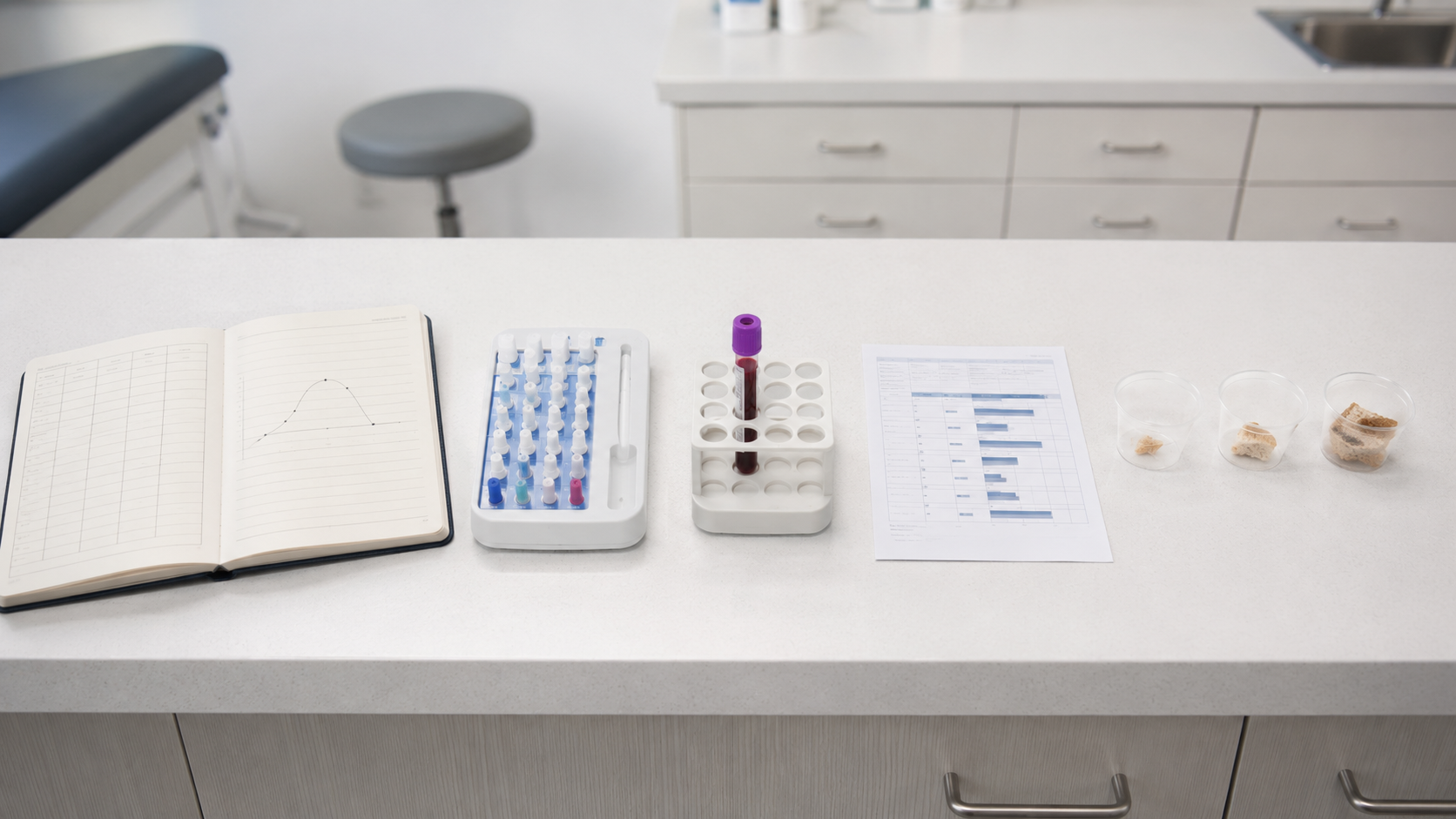
Step 3: Targeted Food Allergy Testing
Skin prick testing places a tiny amount of allergen extract on the skin and lightly pricks the surface. If the immune system recognizes the allergen, a raised bump can appear. Skin testing can be useful, but it must be interpreted in context.
Specific IgE blood testing measures allergy-related antibodies to a food. These results can help estimate risk, but a positive blood test alone does not always equal a true food allergy. This is one reason NYFA emphasizes targeted testing and careful interpretation.
Component testing looks at specific proteins within a food. For example, component results may help distinguish a higher-risk allergy pattern from certain forms of cross-reactivity. This can be especially useful for foods such as peanut, tree nuts, milk, egg, and other common allergens.
The Basophil Activation Test, often called BAT, is an advanced test that evaluates how basophils respond to a suspected food allergen in a lab setting. BAT may add clarity when traditional skin or blood testing does not match the patient’s real-life history.

Step 4: Interpreting Test Results Correctly
A positive food allergy test can mean sensitization, but it does not automatically prove that eating the food will cause a reaction. The result becomes more meaningful when it fits the history, timing, food amount, symptoms, and risk profile.
A negative test can sometimes help rule out an IgE-mediated food allergy, but the full interpretation depends on the history. If the reaction story is concerning, your allergist may recommend additional testing or a supervised challenge instead of dismissing the concern too quickly.
Many patients come to NYFA with food allergy labels based on testing alone. When the history does not match the test, the next step is not panic. It is a better diagnostic process. Proper interpretation can prevent unnecessary food avoidance and help identify patients who may safely move toward additional evaluation.

Step 5: Oral Food Challenge When Needed
An oral food challenge is a medically supervised procedure where a patient consumes gradually increasing amounts of a food while being monitored for symptoms. It is often used when history and testing do not give a clear enough answer.
A challenge may be considered when a patient has a positive test but no clear reaction history, when it is unclear if an allergy has been outgrown, or when avoiding a food may not be necessary. It can also help clarify whether a patient is truly allergic before starting a desensitization path.
Oral food challenges should only be done in a medical setting with experienced supervision and emergency treatment available. Patients should not attempt a challenge at home unless specifically instructed by their clinician.
Food Allergy vs Food Intolerance
A true food allergy involves the immune system. IgE-mediated food allergies can cause symptoms quickly and may involve hives, swelling, vomiting, wheezing, throat symptoms, dizziness, or anaphylaxis.
A food intolerance usually involves digestion or difficulty processing a food. Lactose intolerance is a common example. It can be uncomfortable, but it is not the same as an immune-mediated food allergy and does not carry the same anaphylaxis risk.
The difference changes the plan. Food allergy may require emergency medication, strict avoidance, testing, and specialist guidance. Food intolerance may involve limiting a food, using substitutes, or addressing a digestive issue. Accurate diagnosis prevents the wrong plan.
What Happens After Diagnosis?
After diagnosis, your allergist should explain your risk level, what symptoms to watch for, whether epinephrine is needed, and how to respond if a reaction happens. Patients with a history of severe reactions should have a written emergency action plan.
The plan may include avoidance guidance, label reading, cross-contact precautions, school or workplace communication, and nutritional support when major foods are removed. This is especially important for children and for patients avoiding multiple foods.
Once the diagnosis is clear, NYFA can discuss whether longer-term options may fit your goals. Depending on the patient, options may include monitoring, repeat evaluation, SLIT, OIT, or a personalized path through the FATE™ Program.
Diagnosis Mistakes to Avoid
One common mistake is ordering broad food allergy panels without a clear reaction history. This can create false alarms and unnecessary restrictions. Targeted testing usually gives a cleaner answer.
Another mistake is dismissing symptoms that may suggest a true allergy, especially breathing symptoms, throat symptoms, repetitive vomiting, or reactions involving multiple body systems. These deserve medical evaluation.
A diagnosis should lead to a plan. If you have been told to avoid a food forever based on one test, or you are unsure whether the allergy is real, consider a more detailed food allergy evaluation. NYFA’s food allergy services are built around diagnostic clarity and practical next steps.
Diagnosis and Testing for Allergies
At NYFA, food allergy diagnosis begins with the patient’s story. We look at what happened, when it happened, what food was involved, what symptoms appeared, and whether previous tests truly match the history.
Allergy testing may include skin prick testing, specific IgE blood testing, and component testing. These tools can help identify risk patterns, but they should not be used as stand-alone proof of a food allergy without a matching clinical history.
In selected cases, an oral food challenge may help confirm or rule out a food allergy. This should only be performed under medical supervision, with the right safety protocols in place.
Basophil Activation Test (BAT)
At NYFA, advanced diagnostics may include the Basophil Activation Test alongside sIgE blood testing, component testing, and oral food challenges when appropriate. BAT is designed to evaluate how basophils, a type of immune cell involved in allergic responses, react when exposed to a suspected allergen in a controlled lab setting.
Many patients come with “food allergy” labels due to positive blood tests or skin tests done elsewhere without clear proof of prior exposure or reaction. By combining history with advanced testing, NYFA works to separate false-positive labels from true food allergy risk.
The Power of Desensitization Therapy with NYFA
Once a food allergy diagnosis is clear, some patients may be candidates for a structured desensitization plan. Desensitization is not a one-size-fits-all decision. It depends on the patient’s diagnosis, medical history, risk level, family goals, and the foods involved.
How the FATE™ Program Works
- Personalized Assessment: Dr. Shah and his team begin with a thorough evaluation of allergy severity, history, and health profile.
- Customized Desensitization Path: A step-by-step approach may gradually expose the patient to controlled amounts of the allergen under medical guidance.
- Ongoing Monitoring & Support: Each patient receives personalized guidance, monitoring, and adjustments as needed.
- Real-Life Preparedness: Patients receive guidance for navigating school, restaurants, travel, and daily life with more clarity.
For patients who are appropriate candidates, the FATE™ Program may help build a higher threshold and support improved quality of life.
The Role of NY Food Allergy & Wellness
At NY Food Allergy & Wellness, we focus on clarity, not assumptions. Many patients come in with “food allergy” labels based on testing alone, without a clear reaction history. Our approach combines detailed history with the right testing tools to help distinguish false positives from true allergy risk.
Once risk is clarified, we guide patients through practical next steps, whether that means a refined avoidance plan, emergency preparedness, supervised challenges when appropriate, or a structured path toward desensitization support through NYFA’s programs.
NYFA next steps in Manhattan
If you are trying to confirm whether a food allergy is real, whether a prior test result needs a second look, or whether advanced testing may help, NYFA’s Manhattan office can guide you through the next step.
Visit NYFA’s Manhattan Office
NY Food Allergy & Wellness is located on the Upper East Side at 110 East 60th St., Suite 708, New York, NY 10022. Serving all of Manhattan, the NYC metro area, New Jersey, Connecticut, and patients nationwide, as well as international visitors.
FAQs
A food allergy diagnosis usually starts with a detailed symptom history, food exposure history, medical history, and physical exam. An allergist may then recommend targeted testing such as skin prick testing, specific IgE blood testing, component testing, BAT, or a supervised oral food challenge when appropriate.
A board-certified allergist or allergist/immunologist is typically the specialist who diagnoses and manages food allergies. A primary care doctor or pediatrician may help you get started, but an allergist is usually the right specialist for confirming risk and building a long-term plan.
A blood test can measure food-specific IgE antibodies and may help identify sensitization, but it does not always prove that eating the food will cause a reaction. Blood test results are most useful when interpreted with the patient’s reaction history.
A supervised oral food challenge is often considered the most definitive way to confirm or rule out a food allergy when history and testing do not provide enough clarity. It should only be performed in a medical setting with experienced supervision.
Yes. Skin prick tests and blood tests can show sensitization without proving a true food allergy. This is why test results should be interpreted by an allergist alongside symptoms, timing, exposure history, and other clinical details.
Write down the suspected food, amount eaten, symptom timing, symptoms, treatment used, and whether emergency care was needed. Bring previous test results, medication lists, photos of visible reactions, and any questions about testing or next steps.
About Dr. Atul Shah
- Founder of NY Food Allergy & Wellness
- Creator of the FATE™ Program
- 20+ Years of Experience
- 15,000+ Success Stories
- America’s Top Physicians’ Award
- The Patients’ Choice Award
- Most Compassionate Physicians’ Award
Learn more about Dr. Atul Shah and NYFA’s approach to food allergy diagnosis, testing, and personalized care in Manhattan.