Tree Nut Allergy Food List: What to Avoid & Treatment Options
Food Allergy Education
Navigating a tree nut allergy can be challenging, but knowing what to avoid is crucial. Discover essential foods to steer clear of and explore effective treatment options.

Jump to a section
Tree Nut Allergy Food List: What to Avoid & Treatment Options
Understanding Tree Nut Allergies
Tree nut allergies are among the most common food allergies, affecting millions of people worldwide. These allergies are particularly concerning because they can trigger severe and potentially life-threatening reactions, even in minute quantities. Tree nuts grow on trees, as opposed to peanuts, which are legumes and grow underground. Common tree nuts include almonds, cashews, walnuts, hazelnuts, pistachios, and Brazil nuts. Each of these nuts can cause allergic reactions in susceptible individuals.
The immune system of someone with a tree nut allergy mistakenly identifies specific proteins in the nuts as harmful invaders. This triggers an immune response, releasing chemicals like histamines that cause the symptoms of an allergic reaction. These symptoms can range from mild, such as itching and hives, to severe, such as anaphylaxis, which requires immediate medical attention. Understanding the nature of tree nut allergies is the first step in managing them effectively.
It's important to note that tree nut allergies are typically lifelong. Unlike some food allergies, such as milk or egg allergies, which children often outgrow, tree nut allergies tend to persist into adulthood. Therefore, learning to navigate a world full of potential allergens is crucial for those affected. This includes understanding which nuts to avoid, identifying hidden sources of tree nuts in foods, and knowing how to read food labels effectively.
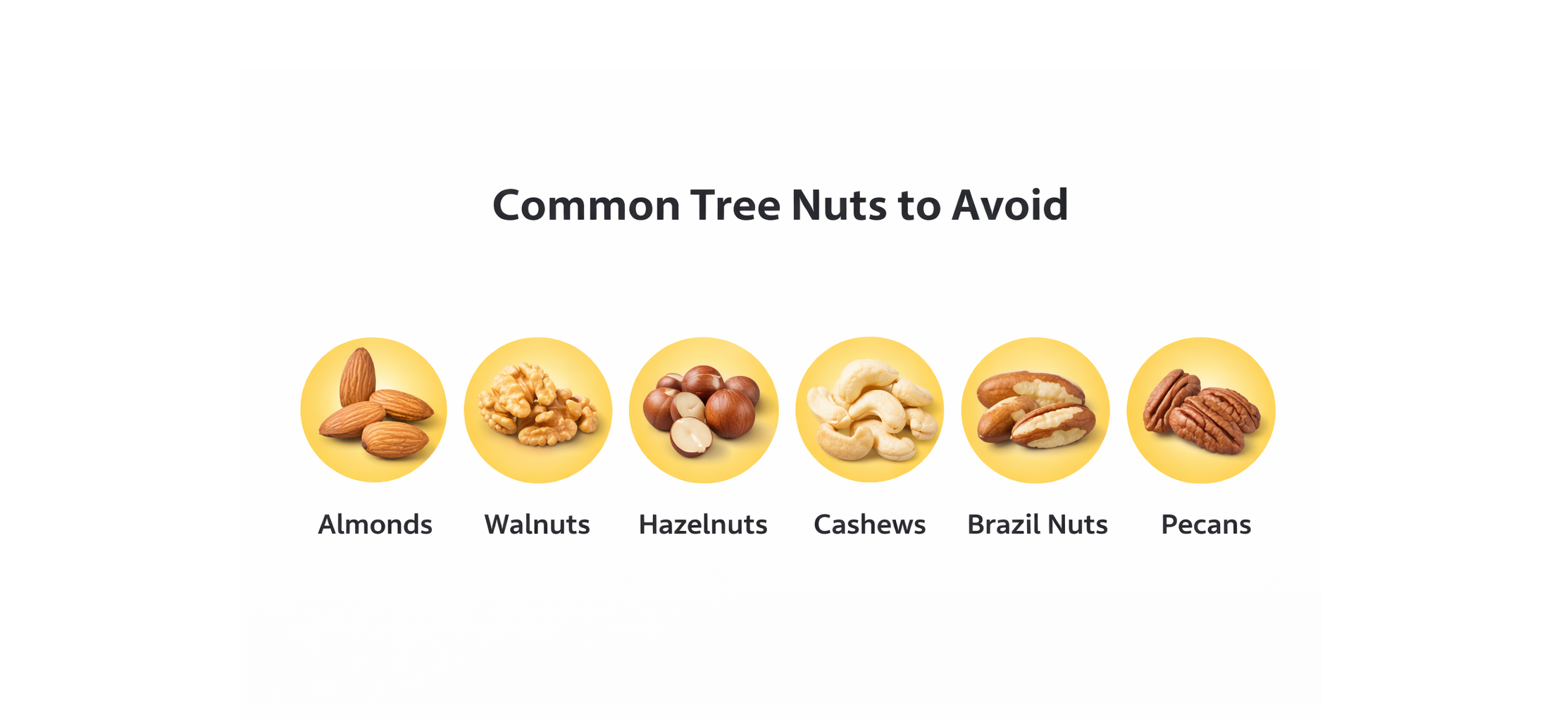
Common Tree Nuts to Avoid
When managing a tree nut allergy, it is essential to be aware of the specific nuts that commonly trigger allergic reactions. The most prevalent tree nuts that individuals with allergies should avoid include almonds, Brazil nuts, cashews, hazelnuts, macadamia nuts, pecans, pine nuts, pistachios, and walnuts. Avoiding these nuts in any form, whether whole, chopped, ground, or as an ingredient in a dish, is critical to preventing allergic reactions.
Almonds are frequently used in a variety of foods, from baked goods to cereals, and are also popular as almond milk. Brazil nuts are often found in mixed nut assortments and can be used in oils and butters. Cashews are a common ingredient in dairy-free products like cashew cheese and cashew milk. Hazelnuts are not only eaten whole but are also a key ingredient in many chocolate spreads and pralines. Macadamia nuts are often used in cookies and desserts, while pecans are a staple in pies and other baked goods. Pine nuts are commonly used in pesto and can be found in various Mediterranean dishes. Pistachios are popular as snacks and in desserts, while walnuts are frequently used in baking and salads.
It's important to note that cross-contamination can occur when these nuts are processed in facilities that handle other foods. Therefore, individuals with tree nut allergies should be vigilant about checking for potential cross-contact and always read labels thoroughly.
Hidden Sources of Tree Nuts in Foods
Tree nuts can often be found in unsuspecting places, making it crucial for those with allergies to be diligent about checking ingredient lists and being aware of potential hidden sources. One common hidden source is in processed foods where nuts may be used as ingredients or flavorings. For instance, certain baked goods, ice creams, cereals, and granolas may contain tree nuts or nut derivatives. Even foods like soups and sauces can sometimes contain nuts for added flavor or texture.
Another area of concern is ethnic cuisine, which can often include tree nuts in traditional recipes. For example, Middle Eastern dishes might use almonds or pine nuts, while Asian cuisine could include cashews or peanuts in sauces and stir-fries. Indian cuisine frequently uses nuts like almonds and cashews in both savory dishes and desserts. It's important to ask about ingredients and preparation methods when dining out to avoid accidental exposure to tree nuts.
Tree nuts can also be found in non-food items, which can pose a risk for allergic individuals. These can include certain cosmetics, lotions, shampoos, and even pet foods. Always check the labels of these products for any mention of tree nuts or their derivatives. Additionally, be mindful of cross-contamination in shared kitchen spaces and when using kitchen utensils and appliances that may have come into contact with tree nuts.

Reading Labels: How to Identify Tree Nuts
Reading food labels is a critical skill for anyone with a tree nut allergy. In the United States, the Food Allergen Labeling and Consumer Protection Act (FALCPA) requires that major allergens, including tree nuts, must be clearly listed on food packaging. This means that if a product contains tree nuts, it must be declared on the label, either in the ingredient list or in a separate “Contains” statement. However, it’s important to be thorough, as tree nuts can sometimes be listed under less obvious names.
When examining labels, look for specific tree nuts by name, but also be on the lookout for terms such as “nuts,” “nut butters,” or “nut oils.” Additionally, some ingredients may be derived from tree nuts, such as marzipan (which contains almonds), nougat (which may contain hazelnuts or almonds), and gianduja (a chocolate-hazelnut blend). It’s also wise to be cautious with natural flavorings, as these can sometimes include tree nut derivatives.
Besides checking for the presence of tree nuts, it’s crucial to look for any warnings about cross-contamination. Many food products include advisory statements like “May contain tree nuts” or “Processed in a facility that also processes tree nuts.” These warnings indicate that even if tree nuts are not an intentional ingredient, there is a risk of cross-contact. For individuals with severe allergies, it’s best to avoid products with such warnings to prevent accidental exposure.
Symptoms of Tree Nut Allergies
The symptoms of a tree nut allergy can vary in severity and may differ for each individual. Common symptoms include itching or swelling of the mouth, lips, tongue, or throat, which can occur almost immediately after consuming or coming into contact with tree nuts. Skin reactions, such as hives, eczema, or redness, are also common. Gastrointestinal symptoms, including nausea, vomiting, diarrhea, or stomach pain, can occur as well.
Respiratory symptoms are another major concern. These can include nasal congestion, runny nose, sneezing, coughing, wheezing, or shortness of breath. In severe cases, anaphylaxis can occur, which is a life-threatening reaction that requires immediate medical attention. Symptoms of anaphylaxis include difficulty breathing, a drop in blood pressure, rapid or weak pulse, dizziness, and loss of consciousness. Anaphylaxis can be fatal if not treated promptly, making it essential for individuals with tree nut allergies to recognize the signs and act quickly.
It’s important to note that symptoms can appear within minutes to several hours after exposure to tree nuts. Early recognition and treatment of these symptoms can prevent them from escalating into a more severe reaction. Keeping a detailed record of any allergic reactions, including the foods consumed and the timing of symptoms, can help in identifying triggers and managing the allergy more effectively.
Immediate Treatment Options for Allergic Reactions
When a tree nut allergy reaction occurs, immediate treatment is crucial to mitigate symptoms and prevent severe complications. The first line of defense is usually an antihistamine, which can help relieve mild symptoms such as itching, hives, or nasal congestion. Over-the-counter antihistamines, like diphenhydramine (Benadryl), can be effective, but it’s important to follow the dosage instructions and consult with a healthcare provider about appropriate use.
For more severe reactions, particularly those involving respiratory symptoms or signs of anaphylaxis, the use of epinephrine is essential. Epinephrine works quickly to reverse the symptoms of a severe allergic reaction, including opening the airways, improving breathing, and increasing blood pressure. Individuals with a known tree nut allergy should always carry epinephrine and know how to use it. Family members, friends, and caregivers should also be trained in its administration.
After administering epinephrine, it’s vital to seek emergency medical care immediately, even if symptoms seem to improve. Anaphylaxis can sometimes have a biphasic reaction, where symptoms return after the initial treatment. Medical professionals can provide additional care and monitoring to ensure the safety and well-being of the individual. It’s also important to follow up with an allergist to review the reaction and adjust the allergy management plan as needed.
Long-term Management of Tree Nut Allergies
NYFA’s FATE™ Program (Food Allergy Tolerance Enhancement) is Dr. Shah’s structured, personalized approach designed to help patients work toward improved tolerance with a safety-first plan built around real life.
With 20+ years of experience, 15,000+ success stories, and support for 30+ allergens, NYFA helps infants, children, teens, and adults pursue a plan that fits their history, goals, and comfort level. Results vary by patient, and every pathway is individualized with careful monitoring and guidance.
Managing a tree nut allergy is a lifelong commitment that requires vigilance and proactive measures. One of the most effective strategies for long-term management is strict avoidance of tree nuts and any products containing them. This involves being diligent about reading food labels, asking about ingredients when dining out, and being aware of potential cross-contamination in shared kitchen spaces and food processing facilities.
Regular consultations with an allergist are essential for ongoing management. An allergist can provide valuable guidance on avoiding allergens, recognizing symptoms, and managing allergic reactions. They can also help develop a personalized allergy action plan, which outlines the steps to take in the event of an allergic reaction. This plan should be shared with family members, caregivers, and anyone else who may be responsible for the individual’s care.
Education and awareness are also key components of long-term management. Individuals with tree nut allergies, as well as their families and friends, should be educated about the allergy, including how to recognize symptoms, avoid exposure, and respond to reactions. Support groups and online communities can provide additional resources and support for navigating the challenges of living with a tree nut allergy. Staying informed about new research and developments in allergy treatment can also be beneficial.

Diagnosis and testing for tree nut allergy
Diagnosing a tree nut allergy starts with the details that tests cannot capture on their own. A careful history and exam help clarify what happened, how quickly symptoms started, how much was involved, and whether symptoms suggest an allergic reaction versus another cause. This step matters because it helps determine which tests are meaningful and which may create confusion.
Allergy testing is a key part of evaluating tree nut allergy, but results must be interpreted in context. Skin prick tests can screen for sensitization. Blood testing may include specific IgE and, when appropriate, component testing. These tests can be positive even when someone is not clinically reactive, so pairing results with history helps reduce false diagnoses and unnecessary restriction.
When appropriate, an oral food challenge under medical supervision can help clarify true tolerance and real-world risk. This involves gradually consuming increasing amounts of the suspected food while monitoring closely for symptoms. Because it can trigger significant reactions, it must be done in an experienced clinical setting with emergency support available.
Basophil Activation Test (BAT)
In select cases, NYFA may use BAT alongside history and other targeted testing to help clarify true allergy risk. BAT evaluates how basophils respond to a suspected allergen in a controlled lab setting. For a deeper explanation, see the BAT section below.
Safe Snack Alternatives for Those with Tree Nut Allergies
Finding safe and delicious snack alternatives is important for individuals with tree nut allergies, as it allows them to enjoy a variety of foods without risking an allergic reaction. Many manufacturers now offer nut-free products that are specifically designed for those with allergies. These products are often made in dedicated nut-free facilities to prevent cross-contamination.
Some popular nut-free snack options include seed-based snacks, such as sunflower seeds, pumpkin seeds, and chia seeds, which can provide a similar crunch and nutritional benefits as nuts. Fruit is another excellent snack option for those with tree nut allergies. Fresh fruit, dried fruit, and fruit-based snacks like fruit leathers or applesauce can be both nutritious and satisfying. Veggie sticks, such as carrot or celery sticks, paired with safe dips like hummus or guacamole, can also make for a tasty and healthy snack. Dairy products, like yogurt or cheese sticks, can provide protein and calcium without the risk of tree nuts.
For those who enjoy baked goods, there are many recipes available that use alternative ingredients to create delicious, nut-free treats. Oatmeal cookies, rice crispy treats, and seed-based granola bars are just a few examples of nut-free baked goods that can satisfy a sweet tooth. Additionally, many companies now offer nut-free versions of popular snacks, such as pretzels, crackers, and popcorn. Always check labels to ensure that the products are truly nut-free and made in a safe environment.
Resources and Support for Allergy Sufferers
Navigating a tree nut allergy can be challenging, but there are numerous resources and support systems available to help individuals manage their condition effectively. One valuable resource is the Food Allergy Research & Education (FARE) organization, which provides a wealth of information on food allergies, including educational materials, advocacy efforts, and support networks. FARE also offers resources for schools and workplaces to help create safe environments for those with food allergies.
Support groups, both in-person and online, can provide a sense of community and understanding for individuals with tree nut allergies and their families. These groups offer a platform to share experiences, ask questions, and receive advice from others who are facing similar challenges. Social media platforms and online forums can also be valuable resources for finding support and information on managing tree nut allergies.
Consulting with healthcare professionals, such as allergists and dietitians, can provide personalized guidance and support. Allergists can help diagnose and manage tree nut allergies, while dietitians can offer advice on maintaining a balanced and nutritious diet while avoiding tree nuts. Many hospitals and clinics also offer allergy education programs and resources for patients and their families.
Conclusion: Staying Safe with Tree Nut Allergies
Living with a tree nut allergy requires diligence, education, and proactive management, but with the right knowledge and resources, it is entirely possible to lead a safe and fulfilling life. Understanding which tree nuts to avoid, recognizing hidden sources of tree nuts, and learning how to read food labels are critical steps in preventing allergic reactions. Being aware of the symptoms of tree nut allergies and knowing how to respond to them promptly can make a significant difference in managing the condition.
Immediate treatment options, such as antihistamines and epinephrine auto-injectors, are essential tools for managing allergic reactions. Long-term management involves regular consultations with healthcare professionals, staying informed about new developments, and educating those around you about the allergy. Safe snack alternatives and support resources can also play a crucial role in maintaining a healthy and enjoyable diet while avoiding tree nuts.
Ultimately, the key to staying safe with a tree nut allergy is a combination of vigilance, education, and support. By taking proactive measures and utilizing available resources, individuals with tree nut allergies can navigate their condition with confidence and reduce the risk of allergic reactions.
The power of desensitization therapy with NYFA
For over two decades, Dr. Atul Shah has helped patients pursue desensitization strategies through a structured approach. NYFA’s FATE™ Program is designed to support tolerance goals while prioritizing safety, monitoring, and personalized adjustments.
How the FATE™ Program works
- Personalized assessment based on history, severity, and goals.
- Customized pathway with step-based progress under medical guidance.
- Ongoing monitoring and adjustments to support safety and progress.
- Real-life coaching for dining out, school, travel, and cross-contact awareness.
Results vary by patient. The goal is improved tolerance and confidence, not guaranteed outcomes.
The role of NYFA
NYFA focuses on clarity, not assumptions. Many patients arrive with “food allergy” labels based on testing alone. Our approach connects symptom history with the right tools to better understand true risk.
Once risk is clarified, NYFA helps guide next steps that fit your life, whether that means a refined avoidance plan, emergency preparedness, supervised challenges when appropriate, or a structured desensitization pathway.
NYFA next steps in Manhattan
Visit NYFA’s Manhattan Office
NYFA is located on the Upper East Side at 110 East 60th St., Suite 708, New York, NY 10022. Serving all of Manhattan, the NYC metro area, New Jersey, Connecticut, and patients nationwide, as well as international visitors.
FAQs
Foods to avoid include the specific tree nuts that trigger reactions and any products made with them, such as nut butters, nut flours, nut oils, desserts, spreads, and mixed nut products. Because cross-contact can occur, many people also avoid products with advisory statements indicating potential tree nut exposure.
Snacks that commonly contain tree nuts include trail mixes, granola bars, baked goods, chocolates, pralines, nut-based spreads, ice creams, cereals, and some flavored coffees or desserts. Tree nuts can also appear in pesto and certain ethnic dishes, so checking labels and asking about ingredients is important.
Historically, the “Big 8” major allergens linked to most food allergies and serious reactions were milk, eggs, fish, crustacean shellfish, tree nuts, peanuts, wheat, and soybeans.
“#1” can vary by age group and how it’s measured, but milk and peanut are often cited among the most common. The most important step is identifying your personal triggers and having a plan that matches your real risk.
Sesame is now also recognized as a major allergen, which is why you may hear “Big 9” today.
About Dr. Atul Shah
- Founder of NYFA
- Creator of the FATE™ Program
- 20+ Years of Experience
- 15,000+ Success Stories
- America’s Top Physicians’ Award
- The Patients’ Choice Award
- Most Compassionate Physicians’ Award